
Root
Shatavari Extract
Asparagus racemosus
20% · 40% · 60% Saponins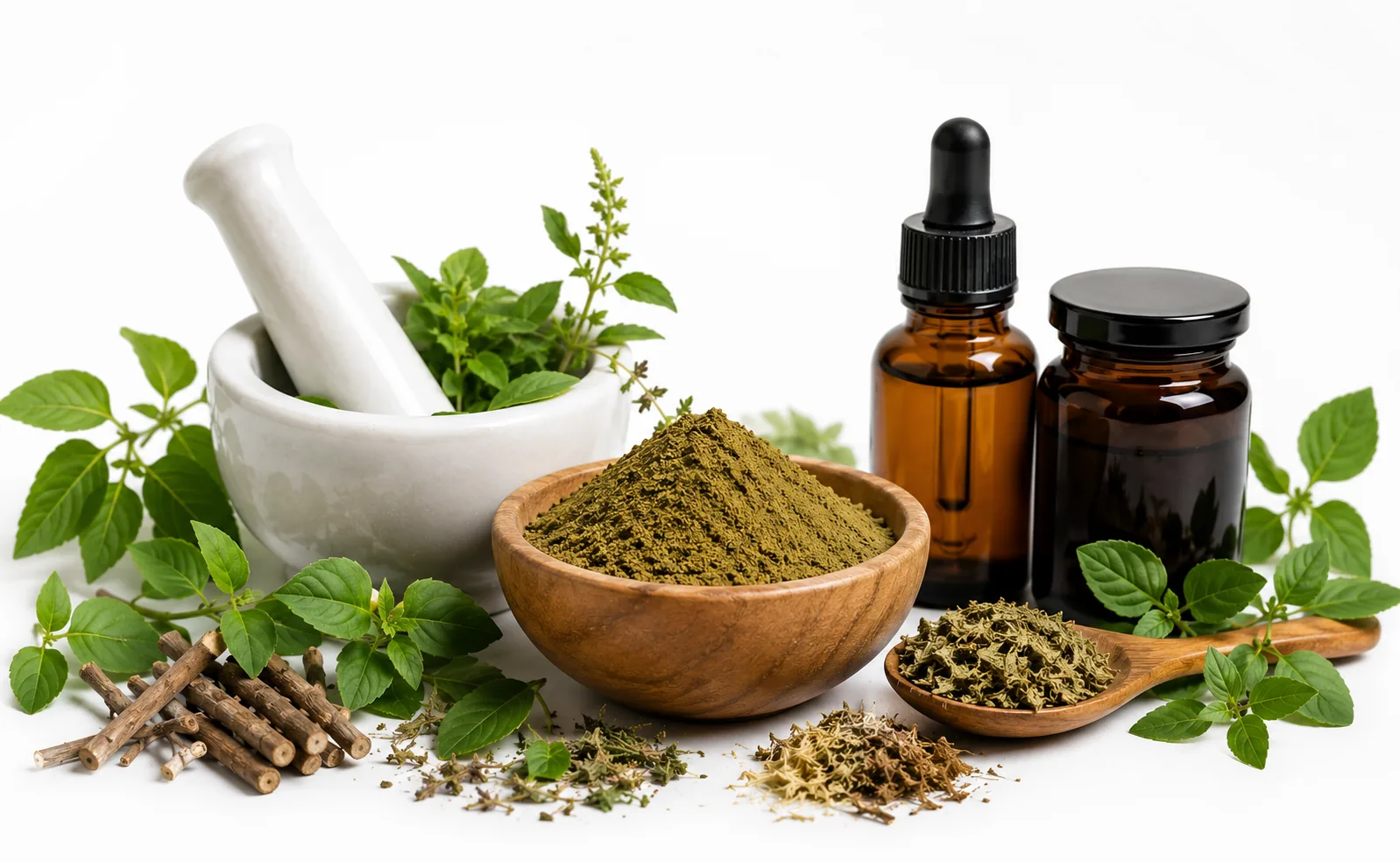
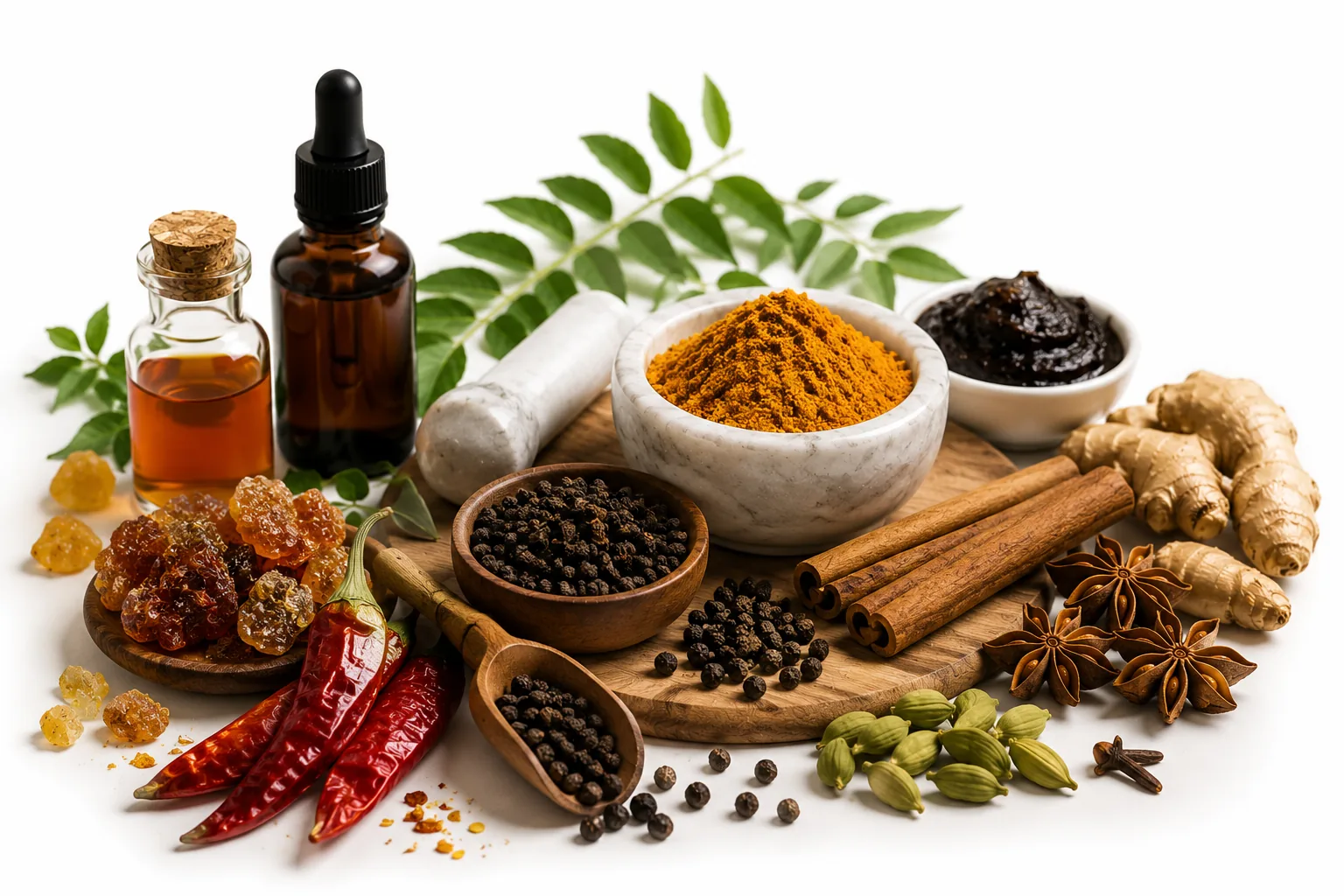
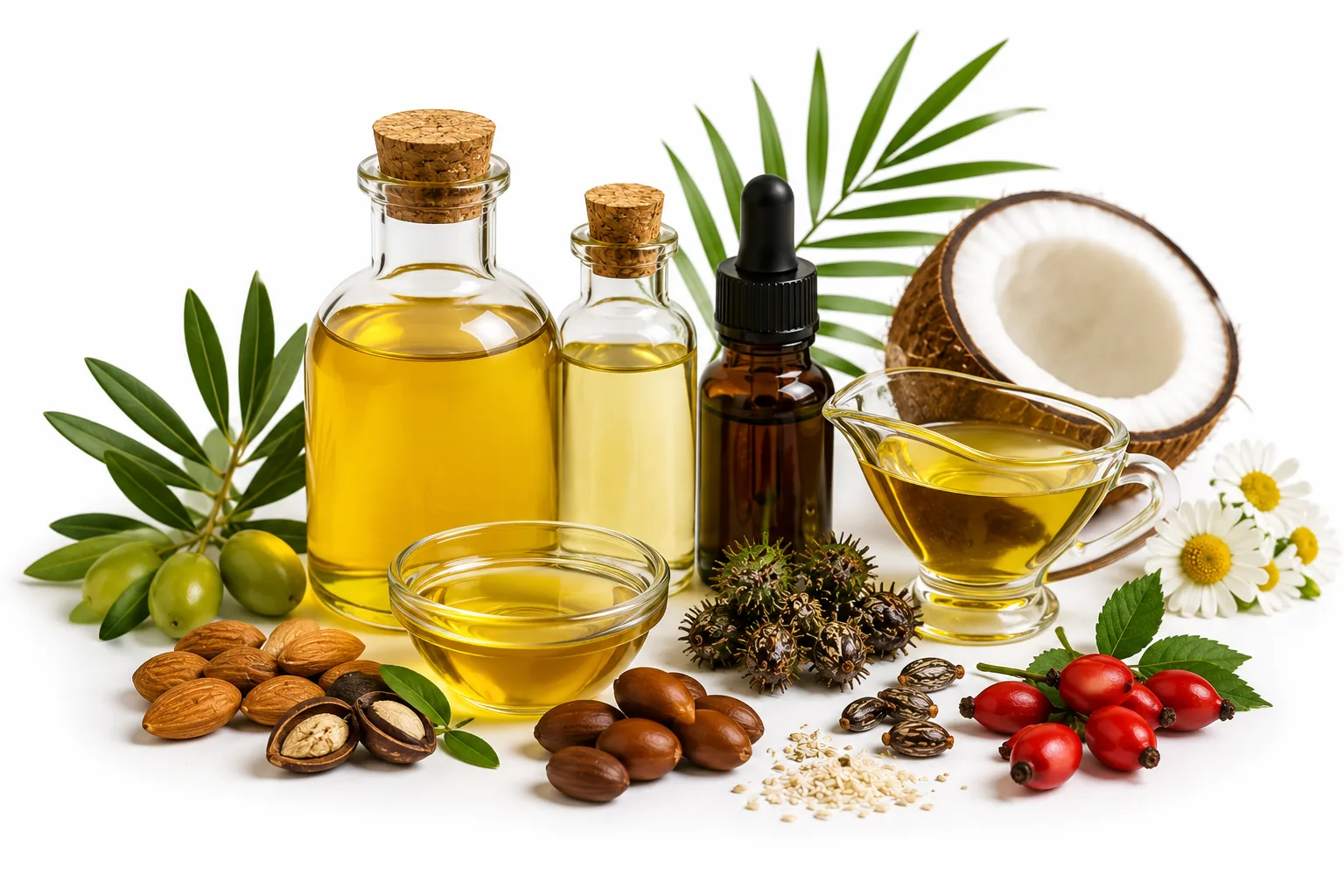
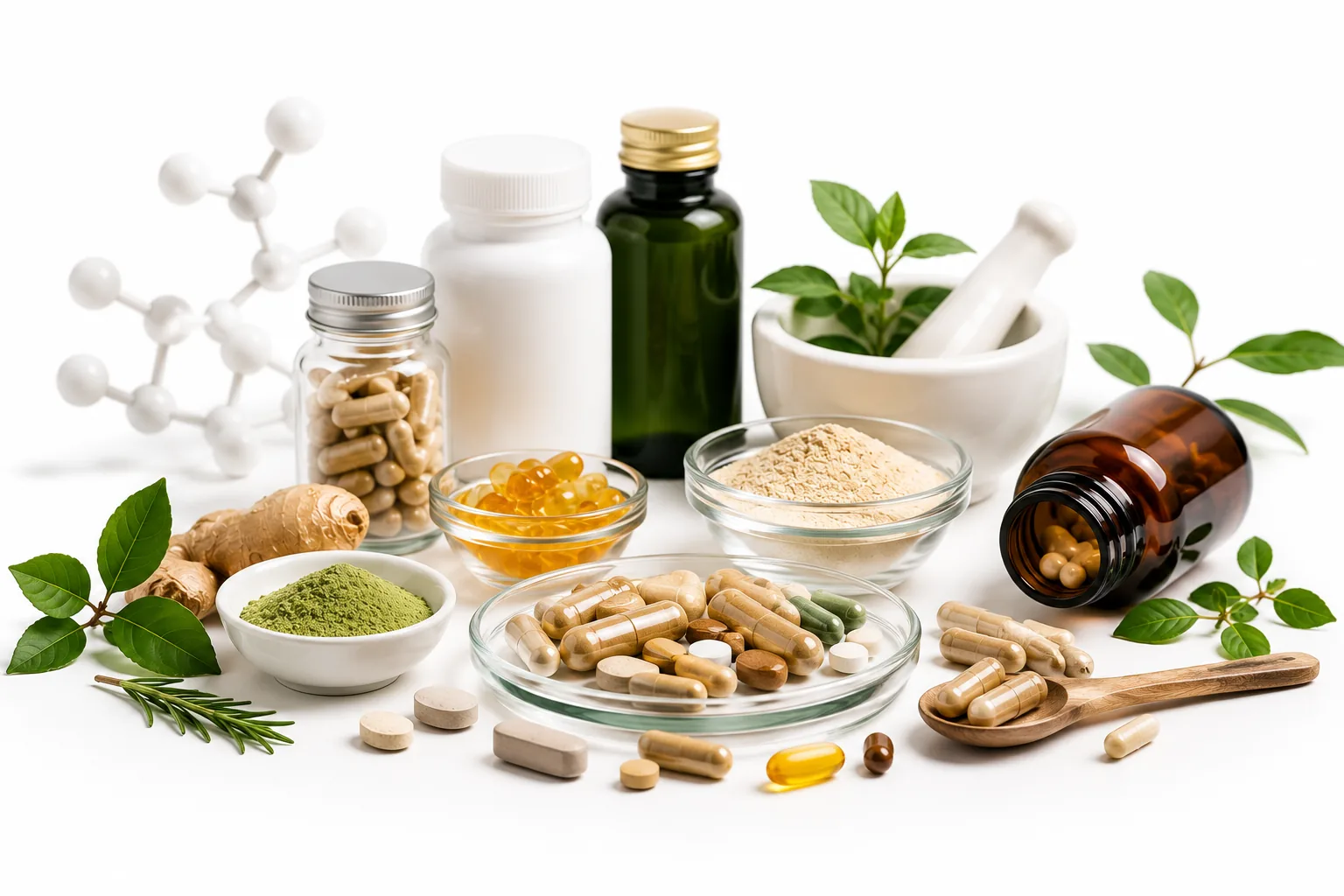
SV Botanica supplies 150+ botanical ingredients — standardised extracts, spice oleoresins, cold-pressed and steam-distilled oils, and nutraceutical raw materials — to supplement, food and cosmetic manufacturers. Every batch is assayed against a stated method and shipped with a Certificate of Analysis and destination-ready export documents.
The eight standardised extracts our international buyers specify most often — listed with pharmacopoeial botanical name, plant part, marker compound, typical assay method and marker CAS number for faster specification matching.
Asparagus racemosus
20% · 40% · 60% SaponinsWithania somnifera
5% WithanolidesCurcuma longa
95% CurcuminoidsBoswellia serrata
65% Boswellic AcidsBerberis aristata
97% Berberine HClCamellia sinensis
50–98% Polyphenols · EGCGSilybum marianum
Up to 80% SilymarinMoringa oleifera
20% Saponins · Water-soluble*Reference marker CAS (withaferin A; β-boswellic acid). Final specification, assay method and limits are confirmed on the product-specific CoA and technical data sheet for each batch.
View All Herbal ExtractsOne documented supply partner for extracts, spices, oils and nutraceutical actives — consolidating vendor qualification, audits and logistics for your procurement team.
01Standardised botanical extracts with defined marker percentages and stated assay methods for nutraceutical and supplement manufacturers.
View Herbal Extracts02Whole spices, ground powders and concentrated oleoresins with consistent colour value, pungency and microbial safety for global food processors.
View Spices & Oleoresins03Science-backed raw materials for supplement brands and functional foods — identity-confirmed, contaminant-tested and documentation-complete.
View Nutraceuticals04Cold-pressed carrier oils and steam-distilled essential oils for cosmetic, pharmaceutical and food applications, profiled by GC-MS for purity.
View Natural OilsIndian botanicals entering Europe and North America face some of the world's tightest import controls. We treat testing and paperwork as part of the product — so consignments clear border checks and your supplier-qualification file is complete before goods leave India.
Multi-residue screening against EU maximum residue limits by accredited third-party laboratories, with reports shared before dispatch.
Ref. Regulation (EC) No 396/2005ICP-MS testing for lead, cadmium, mercury and arsenic plus total plate count, yeast & mould and pathogen screening on every batch.
Ref. Regulation (EU) 2023/915 · USP limitsETO and 2-chloroethanol testing for EU-bound botanical consignments subject to increased official controls at border control posts.
Ref. Implementing Regulation (EU) 2019/1793CoA, SDS, phytosanitary certificate, certificate of origin and customs paperwork prepared per destination to support EU import and US FSVP files.
US FDA FSVP · EU importer supportQA teams auditing a new botanical supplier typically need more than a CoA. These documents are available for each ingredient, where applicable, before your first order.
Different buyers audit different risks. We tailor specifications, testing panels and paperwork to the regulatory framework your finished product sells under.
Standardised actives and clean-label documentation for capsule, tablet, powder and gummy formulation.
Food-grade spices, oleoresins and botanical ingredients with consistent colour, flavour strength and microbial safety.
Cold-pressed carrier oils, essential oils and botanical actives for skincare, haircare and personal-care lines.
What procurement and QA teams tell us matters most when qualifying an Indian botanical supplier.
GMP and ISO-certified processing, with USDA Organic, Halal, Kosher, FSSAI and APEDA documentation available for review.
Specifications, lead time and sample availability confirmed within one business day — by people who read CoAs, not just price lists.
Actives, identity, heavy metals and microbiology documented on every batch, with accredited third-party verification for regulated markets.
Networks across India's key cultivation belts provide traceability to source lot, seasonal consistency and competitive bulk pricing.
Custom packaging, private labelling, freight coordination and phytosanitary compliance managed from Nashik to your warehouse.
Consolidate extracts, oils, oleoresins, spices and nutraceuticals under a single audited vendor and one documentation standard.
A four-step export workflow designed around your QC sign-off — no bulk order is confirmed before your lab approves the sample.
Send botanical name, marker and assay method, volume and destination country.
Day 0Technical data sheet, a representative CoA, lead time and documentation scope.
Within 24 hPre-shipment sample with full CoA for your QC and R&D identity, assay and purity checks.
QC approvalRelease testing, packaging, export documents and freight — dispatched to your door.
Typically 2–3 weeksMost rejected botanical lots fail not because of quality, but because the buyer's specification and the supplier's CoA measured different things. Defining these six parameters up front avoids costly re-testing at your incoming QC.
| Parameter | Why it matters |
|---|---|
| Botanical name & plant part | Root, leaf and aerial parts of the same species carry different actives — e.g. ashwagandha root vs. root-and-leaf extracts. |
| Marker & assay method | UV readings for curcuminoids or polyphenols typically exceed HPLC values; state the method your lab will use. |
| Extraction solvent & carrier | Water, hydro-alcoholic or ethanol extraction — and any maltodextrin carrier — affect labelling and residual-solvent limits. |
| Particle size & solubility | Mesh size (e.g. 80 mesh) and water solubility determine flow, blending and beverage performance. |
| Target market regulations | EU, US, UK and GCC markets apply different pesticide, metals and ETO thresholds — and different paperwork. |
| Volume & packaging | Annual forecast and pack format (25 kg fibre drums, HDPE, custom) drive pricing, lead time and lot reservation. |
Straight answers to the questions international procurement and QA teams ask before qualifying a new botanical supplier.
We export standardised herbal extracts, natural and essential oils, spices and oleoresins, and nutraceutical ingredients sourced from India. The catalogue covers 150+ botanical ingredients supplied in bulk to supplement, food and cosmetic manufacturers worldwide.
Yes. We regularly supply buyers in the United States, the European Union and other global markets, with export documentation, phytosanitary certificates and customs paperwork prepared for each destination.
Yes. For EU-bound consignments we arrange pesticide residue (MRL) panels, heavy-metal and microbiological testing and ethylene oxide (ETO) screening through accredited third-party laboratories, and prepare the documentation EU importers need for consignments subject to increased official controls.
MOQs vary by product, typically starting at 25 kg for extracts and oleoresins and scaling to full-container loads. Share your target specification and annual volume to receive exact terms.
Our supply chain is backed by GMP and ISO-certified manufacturing facilities, USDA Organic, Halal and Kosher documentation on request, an FSSAI Central Licence and APEDA registration. Product-specific Certificates of Analysis are provided with every shipment.
Yes. We provide pre-shipment samples with a full CoA so your QC and R&D teams can validate identity, assay and purity before committing to a production-scale order.
Stocked extracts typically dispatch within 2–3 weeks of order confirmation. Custom standardisations or large volumes may take longer; the exact lead time is confirmed in writing for every order.
Yes. We support private labelling, custom pack sizes and packaging formats for bulk buyers, together with matching freight and export documentation.
The same percentage can mean different things depending on the method. For example, curcuminoids measured by UV usually read higher than by HPLC, and gravimetric saponin values are not comparable with HPLC marker values. We always state the method on the CoA so your specification and incoming QC test match.
Include the botanical name and plant part, required marker and assay method, solvent or carrier preferences, particle size, target market regulations, annual volume and packaging. This lets us confirm feasibility and documentation in a single response.
Speak directly with our sourcing and quality team about specifications, documentation and sample availability. We respond to every technical enquiry within 24 hours.
Including these details lets our team confirm specification, testing scope and documentation in one reply.