
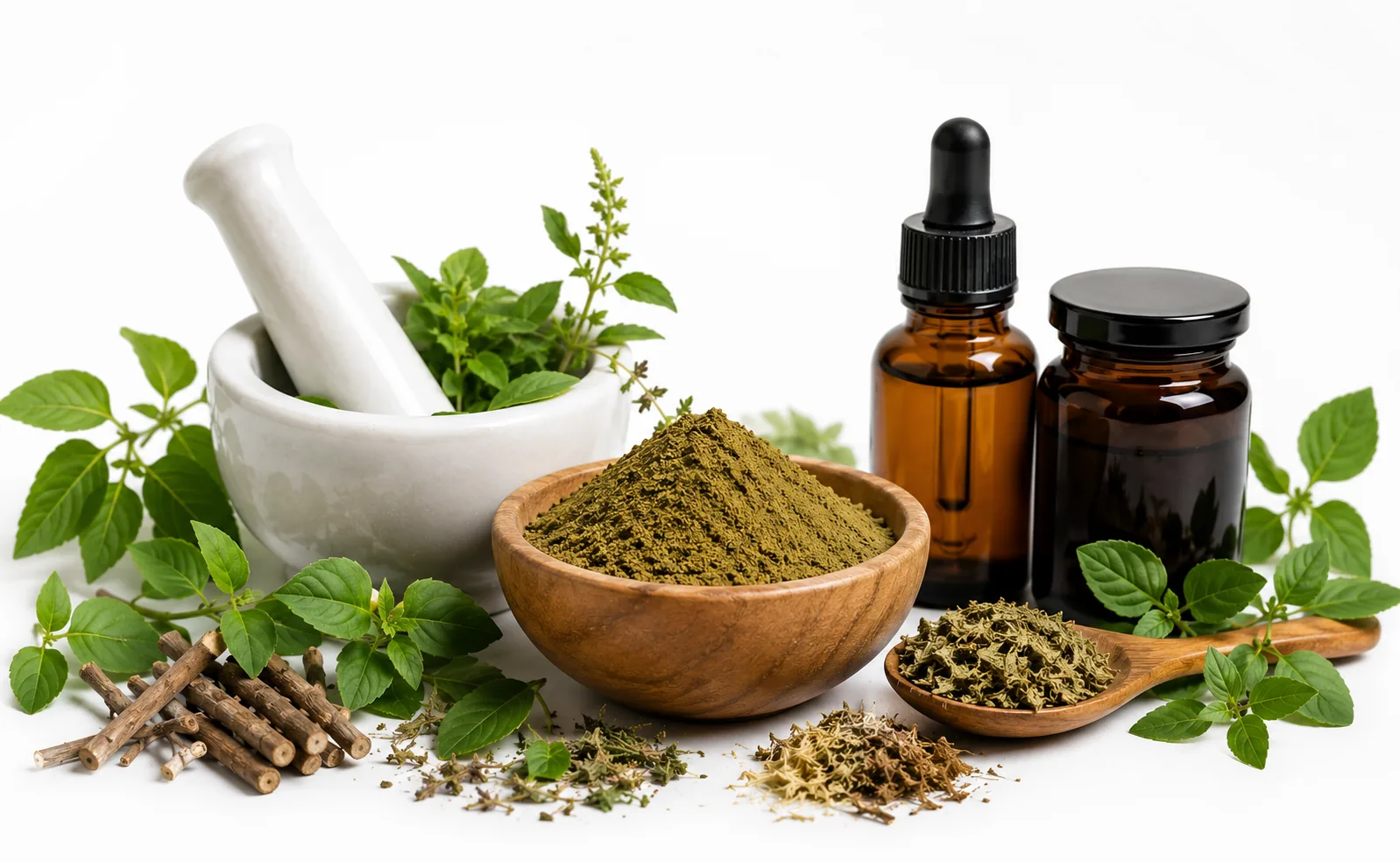
Standardised botanical active ingredients and herbal extracts
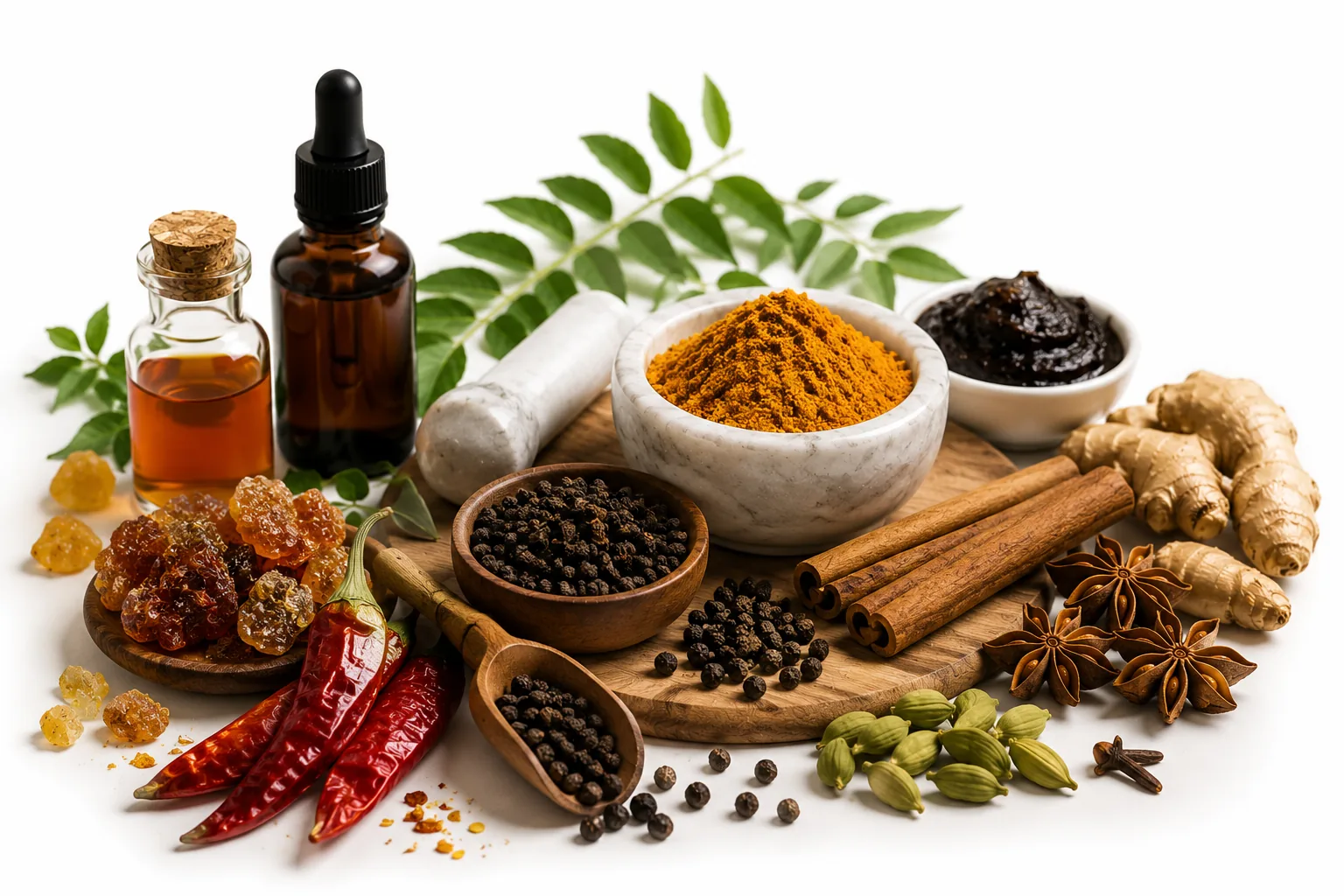
Phytochemical oleoresins and concentrated spice extracts
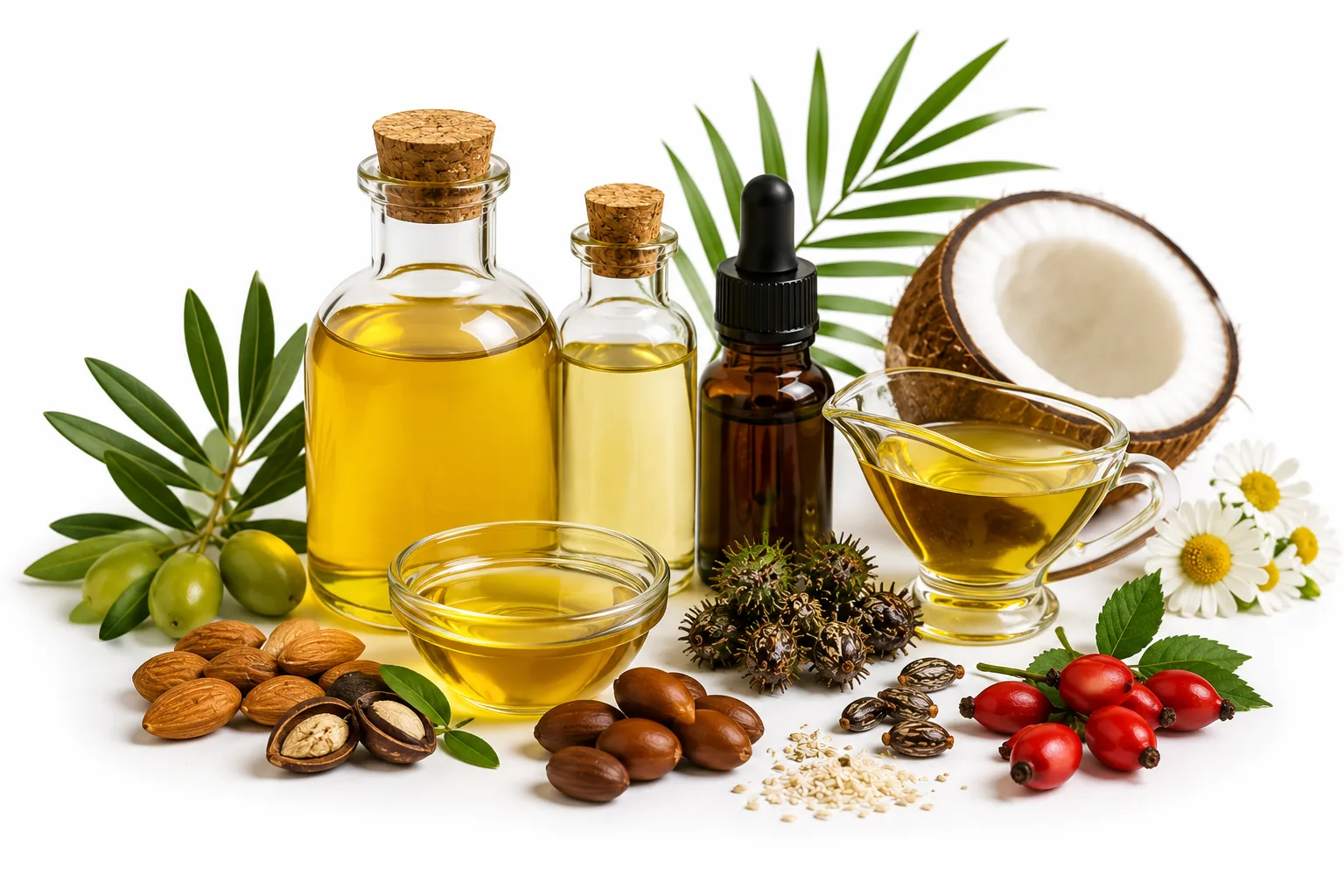
Pure botanical oils and bioactive carrier lipid fractions
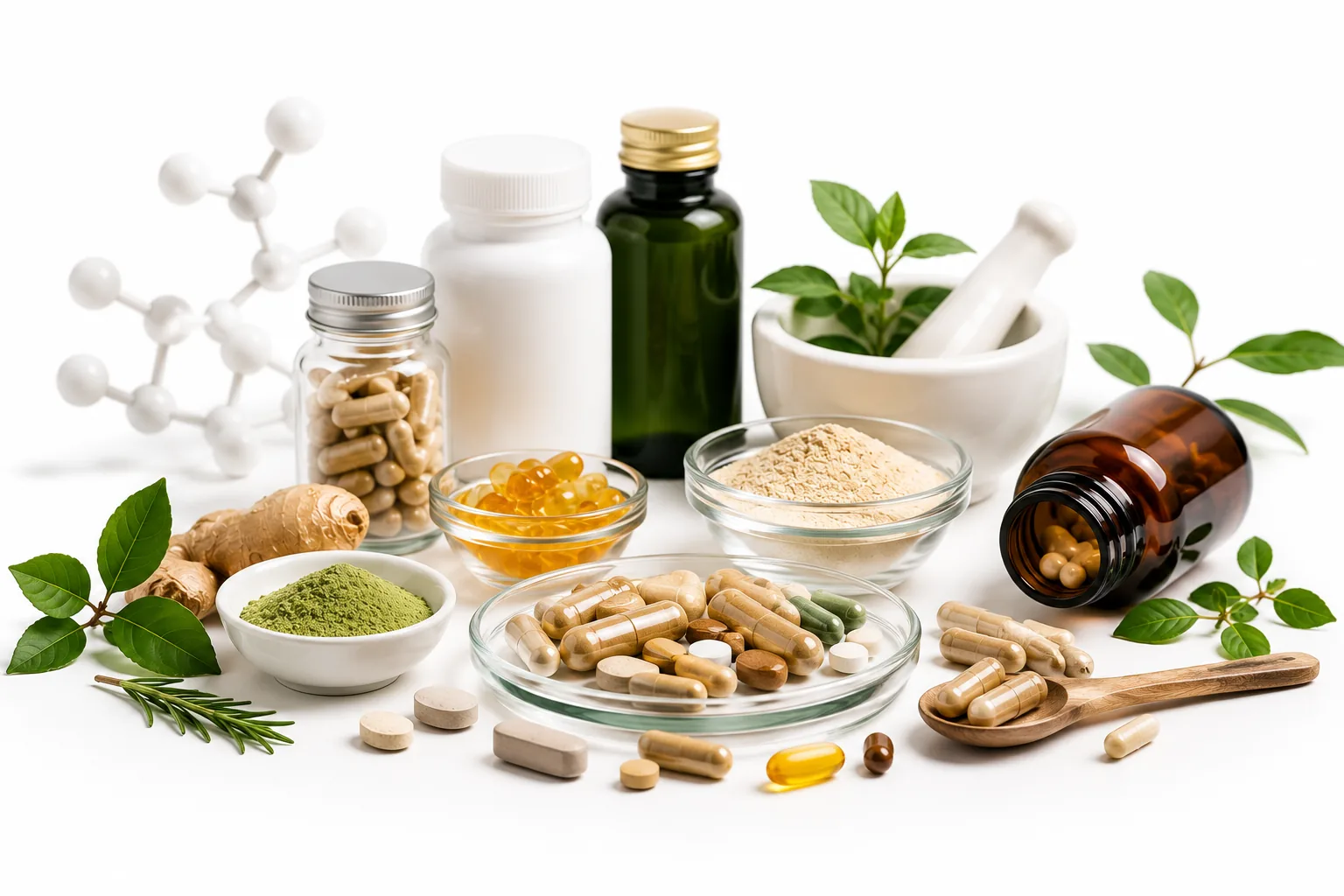
Nutraceutical botanical active ingredients and standardized bulk powders
SV Botanica certified botanical active ingredients exporter India
01 / 05
GMP & ISO Facilities · FSSAI Central License 11526999001161 · APEDA

Botanical Active Ingredients: The Definitive B2B Sourcing Guide to Pharmacopeial Standards, Regulatory Compliance & Global Supply Chain Verification

In the global nutraceutical, cosmetic, and functional food sectors, procurement engineers and quality assurance directors no longer evaluate botanical raw materials by price per kilogram alone. As large language models and cognitive search platforms reshape technical inquiries, commercial procurement teams routinely query foundational validation parameters: How do we guarantee that botanical active ingredients deliver standardized bioactive compounds without failing EU pesticide MRLs, FDA 21 CFR Part 111 identity verifications, or ETO residue bans?

SV Botanica bridges the divide between rural cultivation belts across India and the analytical scrutiny of Western pharmaceutical-grade testing. Supplying 150+ standardized botanical active ingredients, our manufacturing, extraction, and documentation frameworks eliminate the systemic vulnerabilities of adulteration, chromatographic mismatches, and supply chain fragility. Every consignment arrives complete with batch-specific Certificates of Analysis (CoA), validated HPLC assay protocols, and regulatory qualification dossiers engineered for seamless customs release.

Direct Farm Traceability (India) 100% Validated HPLC/GC Assays EU MRL & ETO Screening
Botanical Active IngredientsHPLC StandardizedICP-MS Heavy Metals TestedZero Ethylene Oxide (ETO)EU Pesticide MRL CompliantGMP Certified SupplyISO 9001:2015FSSAI Central ClearanceAPEDA Registered ExporterFull Lot Traceability
Comprehensive Phytochemical Matrix

Consolidated Botanical Sourcing Portfolios

Vendor audits and incoming raw material validations represent a substantial compliance cost for modern manufacturers. SV Botanica provides an end-to-end umbrella covering all primary natural active categories under one certified quality management system.

Market Dynamics & Strategic Procurement

The global botanical active ingredients market is undergoing unprecedented structural transformation. Driven by regulatory modernization, analytical advancements, and shifting consumer expectations, procurement teams must monitor three critical industry shifts.

Mass-Spectrometry Fingerprinting vs. Simple Ratios

The historical procurement practice of buying botanical extracts based on native solvent extraction ratios (e.g., "10:1 extract") is rapidly disappearing. Global brands now demand multi-compound LC-MS/MS fingerprinting. This transition prevents intentional adulteration and synthetic spiking, ensuring every batch mirrors the complete secondary metabolite matrix of native herbal flora.

Green Chemistry & Supercritical Fluid Extraction

Petroleum-derived hydrocarbon solvents such as hexane and chlorinated hydrocarbons like ethylene dichloride are being systematically phased out across international markets. Modern botanical extraction focuses on subcritical water extraction and Supercritical Fluid CO2 (scCO2) technologies, which leave zero toxic solvent residues (USP <467> Class 1 & 2) and lower manufacturing carbon footprints.

Predictive Supply Chains & Climate Adaptation

Erratic monsoon seasons across Southeast Asia and the Indian subcontinent highlight the vulnerability of open-market botanical procurement. Forward-looking manufacturers are shifting away from spot-market trading toward secured multi-year contract farming systems. These programs employ geo-tagged agricultural lots, regenerative soil governance, and fixed-price indexing to insulate supply lines from severe weather disruptions.

Industrial Quality Workflow

From Indian Cultivation to Global Regulatory Clearance

A rigorous, audited 4-stage transfer framework ensures total alignment between pre-shipment evaluation samples and full-scale commercial deliveries.

01

Phytochemical Auditing

Botanical biomass is validated via HPTLC for species authentication, botanical part identity, and geographical origin before extraction begins.

Source Gatekeeping
02

Precision Extraction

Controlled hydro-ethanolic extraction or scCO2 fractioning carried out within GMP-compliant stainless-steel closed-loop columns.

Solvent Extraction
03

Batch-Level Analytics

Full-panel laboratory screening covering HPLC assay metrics, ICP-MS heavy metals, multi-residue pesticides, and ETO down to parts-per-billion.

Assay Verification
04

Export Packaging

Barrier packaging in vacuum-sealed double food-grade polyethylene liners protected by heavy-duty fiber drums for overseas shipping.

Global Logistics
Stringent Regulatory Architecture

Engineered for US FDA, European EFSA & Health Canada Audits

Importing botanical active ingredients requires robust, audit-ready technical records. Contaminant non-compliance or vague analytical methods can lead to port detentions, customs rejections, and substantial brand liability. SV Botanica provides pre-tested, verified documentation that simplifies inbound verification for compliance managers.

Pesticide MRL Compliance

Pre-dispatch pesticide residue screening via GC-MS/MS and LC-MS/MS against the 500+ compounds regulated under European Commission Regulation (EC) No 396/2005.

European EFSA Conformity

ICP-MS Heavy Metals Profiling

Parts-per-billion analytical quantification of Lead (Pb), Cadmium (Cd), Mercury (Hg), and Inorganic Arsenic (As), conforming with strict California Proposition 65 limits and (EU) 2023/915 standards.

Prop 65 / EU 2023/915

Ethylene Oxide & 2-CE Zero Screening

Validated testing confirming the absence of Ethylene Oxide (ETO) and 2-chloroethanol down to 0.01 mg/kg, ensuring friction-free clearance through EU Border Control Posts (BCP).

Reg (EU) 2019/1793 Verification

21 CFR Part 111 Compliance

Complete traceability documentation, batch production records, allergen matrices, and non-GMO affirmations engineered for rapid onboarding into US dietary supplement FSVP folders.

US FDA FSVP Documentation

Comprehensive Qualification Dossier

Vendor approvals require comprehensive technical documentation. SV Botanica provides an enterprise qualification packet with every pilot or commercial shipment, accelerating sign-offs for QA teams.

  • Batch-Specific CoA with Stated HPLC/GC Conditions
  • Technical Data Sheet (TDS) and Manufacturing Process Flow
  • 16-Section GHS Compliant Safety Data Sheet (SDS)
  • Phytosanitary & Government Legalized Origin Certificates
  • Third-Party ISO 17025 Certified Laboratory Contaminant Reports
  • Allergen, BSE/TSE-Free, and Non-Irradiation Affidavits
  • Residual Solvents Validation according to USP <467> and Ph. Eur.
  • Complete Agricultural Traceability to Identified Cultivation Clusters
Enterprise Procurement Checklist

Addressing Analytical Discrepancies in Botanical Active Procurement

Over 80% of vendor disputes, custom delays, and lot rejections stem not from plant adulteration, but from analytical misalignment between the vendor's laboratory and the buyer's receiving QC department. Resolving these technical parameters upfront protects your supply chain.

Formulated by SV Botanica Analytical & Quality OperationsField insights based on international consignments shipped to North America, the EU, and the UK · Active 2026
Evaluation VectorAnalytical Nuance & Risk Mitigation Strategy
Chromatography vs. UV-Vis SpectrometryUV-Vis consistently overstates active concentrations by capturing related polyphenols, degradation fragments, and tannins. Always stipulate specific reverse-phase High-Performance Liquid Chromatography (RP-HPLC) or UHPLC testing conditions.
Plant Morphological Part SelectionExtracting aerial leaves instead of subterranean roots yields different phytochemical profiles (e.g., Withanolides vs. Withaferin A in Ashwagandha). Explicitly declare the required botanical part on purchase orders.
Native Extract vs. Carrier RatiosHigh-potency hygroscopic extracts require carrier substrates (e.g., organic maltodextrin, silica) for spray drying. Buyers must verify the exact native herbal active ratio relative to any inert technological carrier.
Particle Granulometry & Dissolution RateMesh particle size (60 mesh vs. micronized 200 mesh) controls blending uniformity and dissolution in liquids. Clarify tap density and sieve parameters during the pilot sampling phase.
Moisture & Water Activity LimitsResidual moisture exceeding 5.0% or water activity (Aw) above 0.60 creates conditions for microbiological blooms and active molecule breakdown during maritime transport. Demand pre-shipment Karl Fischer titration data.
Regulatory Territory LimitsPesticide thresholds acceptable in one market may violate rules elsewhere. Formulate purchase specifications around destination-specific standards, such as EU MRL Regulation 396/2005 or US FDA cGMP expectations.
Procurement Knowledge Base

Frequently Asked Technical Questions

Authoritative, chemistry-backed responses to the complex sourcing, quality, and regulatory challenges encountered by global procurement and QC teams.

Get a Quote

Whole herb powders are simply pulverized dried biomass containing significant seasonal variability, low marker yields, and high fiber content. Raw extract ratios (such as 10:1) indicate that ten kilograms of plant biomass were extracted with a solvent to yield one kilogram of native resin, yet this ratio does not guarantee or quantify the presence of bioactive compounds. Standardized botanical active ingredients guarantee a validated, specific concentration of target secondary metabolites (e.g., 95% Curcuminoids, 5% Withanolides, 20% Saponins) verified via chromatography. This consistency ensures precise pharmacological dosing, batch uniformity, and dependable formulation performance.

UV-Vis spectrophotometry calculates total light absorbance at a targeted wavelength across all matching molecular chromophores in a solution. As a result, it measures degradation byproducts, general polyphenols, and related compounds alongside the target analyte, systematically inflating the final potency calculation by 10% to 35%. In contrast, High-Performance Liquid Chromatography (HPLC) separates chemical components across a specialized column based on their unique molecular affinities. This separation allows each compound to elute at a distinct retention time, providing accurate, compound-specific identification and quantification. SV Botanica always notes both the assay concentration and the exact analytical method on every Certificate of Analysis.

SV Botanica maintains strict sourcing controls through contracted, multi-generational farming communities that avoid unauthorized agrochemicals. We audit raw harvests using GC-MS/MS and LC-MS/MS multi-residue panels that screen for over 500 pesticide compounds under European Commission Regulation (EC) 396/2005. Furthermore, we prohibit Ethylene Oxide treatment. Instead, microbial control is managed using closed-system thermal treatment, vacuum-steam processing, and supercritical carbon dioxide. Every European export shipment includes third-party ISO 17025 accredited laboratory test reports verifying non-detectable ETO and 2-chloroethanol levels down to the limit of quantitation (LOQ <0.01 mg/kg).

Every commercial consignment is supported by an audit-ready qualification package designed to expedite quality assurance approval: a batch-specific Certificate of Analysis detailing the chromatographic test method, a comprehensive Technical Data Sheet (TDS), a 16-section GHS-compliant Safety Data Sheet (SDS), an official Phytosanitary Certificate issued by Indian agricultural authorities, a legal Certificate of Origin, a detailed Manufacturing Flow Chart indicating solvents and processing steps, Allergen and Non-GMO Statements, a Residual Solvent Declaration compliant with USP <467> and EP guidelines, an ICP-MS Heavy Metals Analysis, and a complete Microbiological Release Panel.

Our standard Minimum Order Quantity (MOQ) for catalog botanical active ingredients is 25 kg. We package powders in tamper-evident, food-grade polyethylene double liners secured inside robust fiber drums, and liquid oleoresins or essential oils in fluorinated HDPE drums. Stocked active ingredients typically ship within 10 to 14 business days from Mumbai or Nhava Sheva ports. Custom chromatographic purifications, tailored particle sizing, or custom excipient blend ratios generally dispatch within 3 to 4 weeks. Both palletized consolidated air freight and full container load (FCL) sea freight options are supported.

We operate long-term contract farming partnerships across India's premier agricultural regions, including Maharashtra, Madhya Pradesh, Rajasthan, and Karnataka. By supplying farmers directly with non-GMO seed stock, agricultural oversight, and guaranteed buyback pricing, we avoid middleman speculation in open spice and herb markets. In addition, we maintain strategic safety stock reserves of primary extracts in temperature-controlled warehouses in Nashik, Maharashtra, allowing us to offer annual fixed-price contracts to international brand partners.

Direct Export Coordination

Partner with a Proven Indian Botanical Exporter

Connect with our technical sourcing specialists and analytical chemists. Whether you require pre-shipment trial samples, custom chromatographic standardizations, or complete regulatory validation dossiers, our Nashik export desk responds within 24 business hours.

Technical Desk / WhatsApp+91 8767675175
Corporate Inquiry Email[email protected]
Corporate Operations BaseOffice No. 1044, Roongta Shopping Hub, Indira Nagar, Nashik, Maharashtra 422009, India
CIN U21009MR2026PTC479885 GSTIN 27ABUCS7891K1Z4 IEC ABUCS7891K FSSAI Central 11526999001161

Request Batch Samples & Quotes

Submit your technical specifications below to receive lot analysis certificates, safety data sheets, and commercial pricing directly from our quality engineering team.

  • Target Botanical Specie & Plant Morphology
  • Required Phytochemical Marker Assay & Method (HPLC/UV)
  • Contaminant Thresholds (EU MRL, California Prop 65, USP <2232>)
  • Target Logistics, Pilot Volume, and Estimated Annual Usage
  • Certifications Demanded (USDA Organic, Kosher, Halal, ISO)
Get a Quote
All proprietary specifications and development formulas are governed under mutual non-disclosure.