
Berries
Black Pepper Oleoresin
Piper nigrum
40% Piperine · 20% VO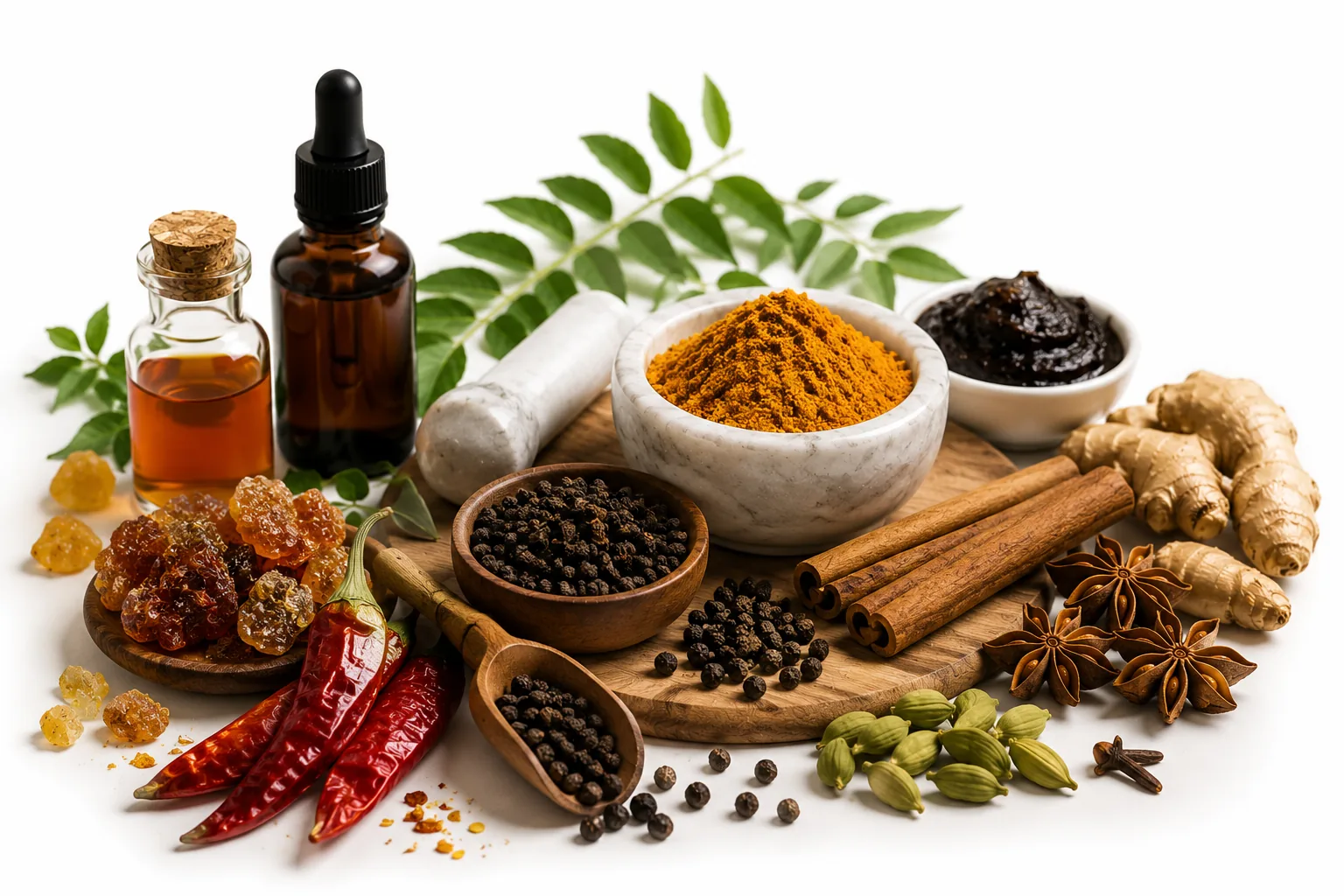
For industrial food manufacturers, flavor houses, meat processors, and nutraceutical formulators worldwide, replacing bulky raw spices with standardized spice oleoresins delivers uncompromised flavor uniformity, microbial safety, zero enzymatic spoilage, and dramatic freight economy. As supply chains face volatile agricultural yields and stricter international chemical residues, securing traceable, low-solvent oleoresins directly from origin is no longer just a purchasing tactic—it is a critical risk-management mandate.
Engineered for high thermal stability, uniform flavor dispersion, and extended shelf-life. Every lot comes with definitive chromatography, volatile oil assays, and non-detectable residual solvent documentation tailored to international food laws.
Piper nigrum
40% Piperine · 20% VOCapsicum annuum
40,000 – 100,000 CUCapsicum frutescens
500,000 – 10,000,000 SHUZingiber officinale
25–35% Gingerols & ShogaolsNeed custom specifications? We formulate targeted water-soluble dispersions, micronized oleoresins on edible salt or maltodextrin carriers, and tailored volatile-to-non-volatile ratios to match your proprietary sensory profile.
Inquire NowThe global industrial spice extract market is experiencing structural reconfiguration. Heightened environmental scrutiny, combined with automated manufacturing and evolving international food safety regulations, is shifting procurement paradigms away from traditional whole spices toward advanced oleoresin technologies.
Traditional organic solvents like hexane and dichloromethane are being phased out in favor of Supercritical Fluid Extraction (scCO2) and green ethanol processes. Carbon dioxide extraction operates at ambient temperatures, eliminating thermal degradation and yielding zero residual petrochemical trace solvents. This technology enables manufacturers to deliver 100% clean-label finished products that meet both USDA Organic and European green standards without compromising flavor depth or organoleptic vibrancy.
Standard oleoresins are viscous, highly lipophilic, and insoluble in aqueous matrices. The industry is rapidly adopting advanced encapsulation techniques, including spray-drying with modified starches, acacia gum, or pea protein matrices. This innovation transforms sticky resins into free-flowing, water-dispersible powders that release flavor consistently upon dissolution. This proves indispensable for ready-to-drink (RTD) beverages, clear functional soups, and high-speed dry-mix seasoning lines.
Regulatory authorities in the US (FDA) and Europe (EFSA) have placed Indian botanical imports under rigorous scrutiny, specifically regarding Ethylene Oxide (ETO) and pesticide residues. Leading international buyers are consolidating their supplier rosters, qualifying only integrated manufacturers who perform full LC-MS/MS and GC-MS/MS pesticide screens at farm origin. Establishing pre-shipment compliance eliminates expensive border rejections and port detentions before containers ever depart India.
SV Botanica unifies your entire natural ingredients supply chain, minimizing vendor qualification overhead, simplifying container freight logistics, and ensuring standardized quality controls across your manufacturing facilities.
01Complete flavor profiles combining volatile essential oils and pungent resins. Decolorized, de-flavored, or fully standardized grades designed for industrial food, snack foods, seasoning blends, and meat processing applications.
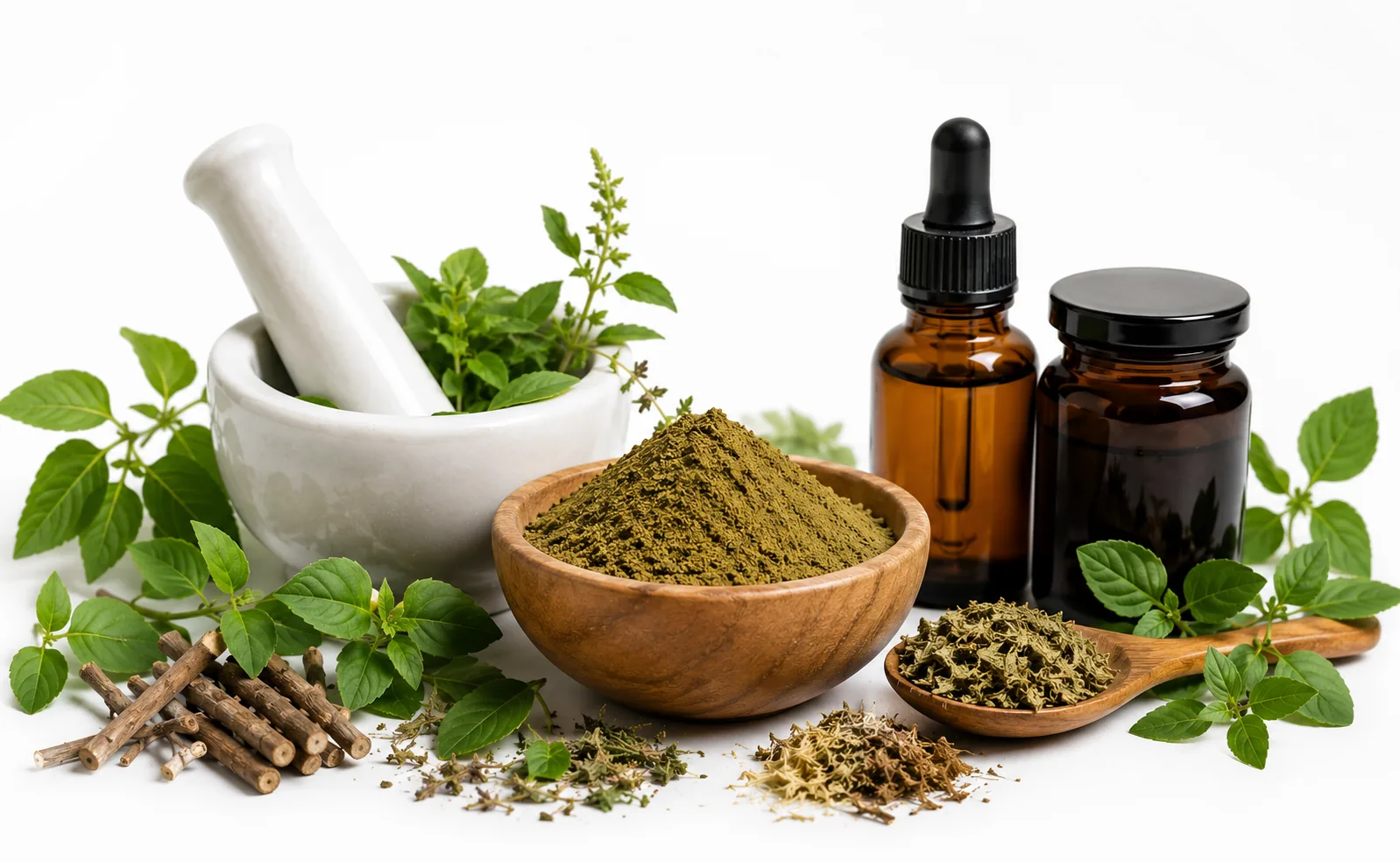
Explore Spice Oleoresins02High-purity botanical actives with defined marker compounds including Ashwagandha Withanolides, Curcuminoids 95%, and Boswellic Acids, fully tested via validated HPLC methods for precision formulation.
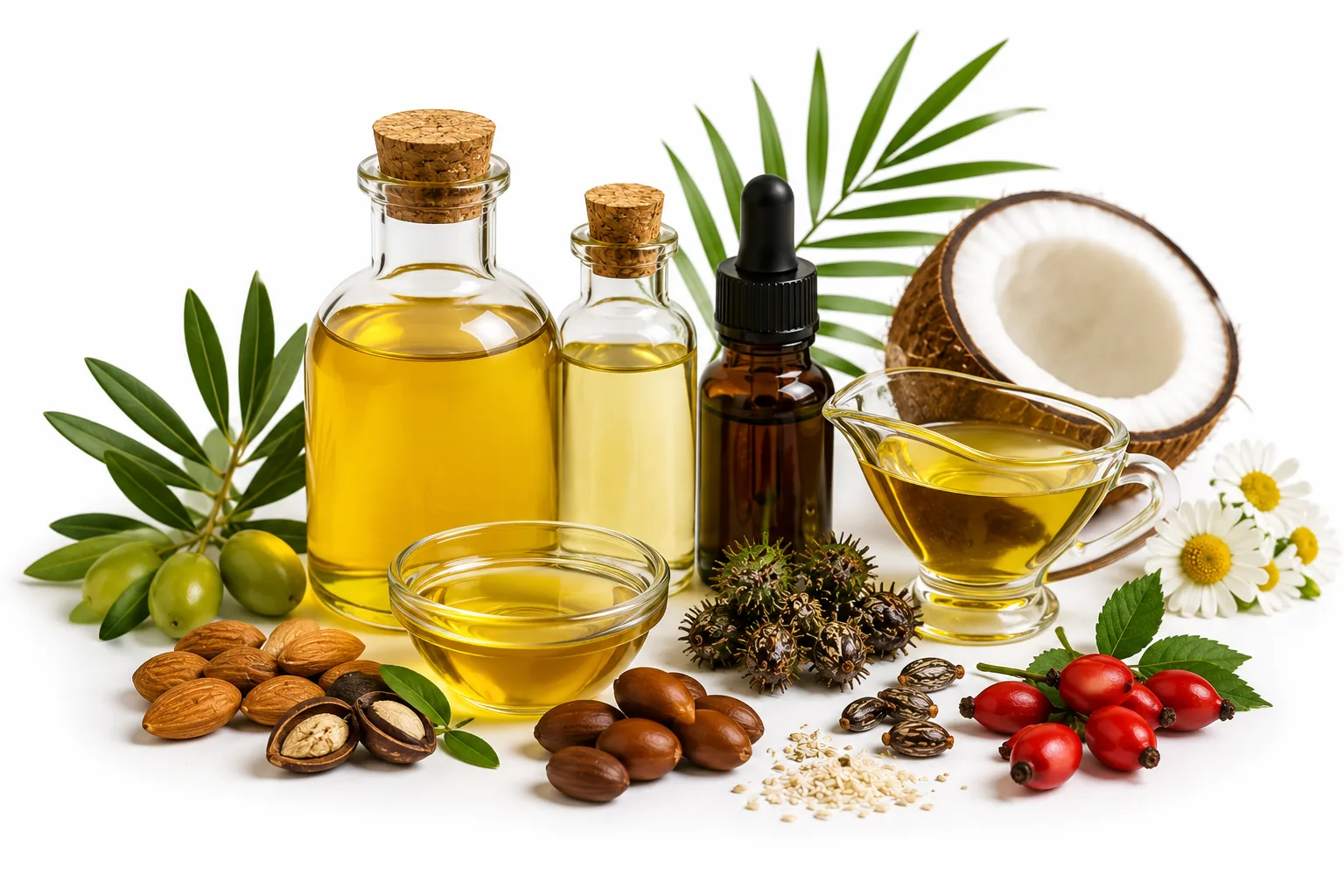
Explore Herbal Extracts03Pure steam-distilled essential oils and cold-pressed botanical carrier oils. Characterized via GC-MS fingerprinting to ensure the total absence of adulterants, synthetic extenders, or foreign fractions.
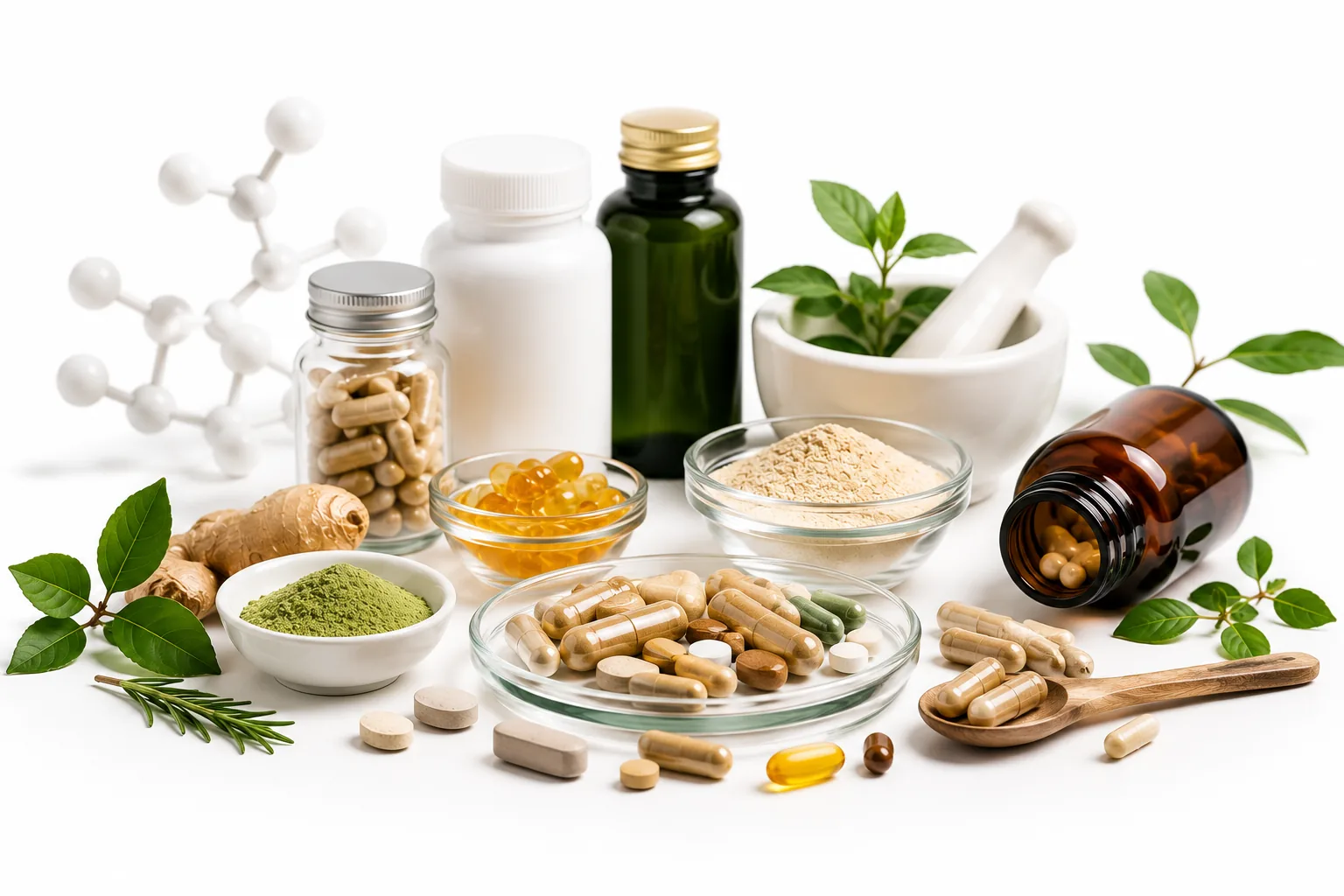
Explore Natural Oils04Functional compounds, clean-label plant powders, and specialized botanical complexes engineered to satisfy strict regulatory compliance profiles for modern tablets, capsules, functional gummies, and health beverages.
Explore NutraceuticalsExporting botanical extracts and spice oleoresins demands absolute transparency. At SV Botanica, we align our QA/QC protocols directly with destination country requirements. From US FDA FSVP requirements to European Union Commission Regulations, our dossiers provide the verifiable analytical evidence required to clear border controls effortlessly.
Screening via Headspace Gas Chromatography against USP <467> and European Directive 2009/32/EC thresholds to ensure solvent-free integrity.
Ethanol, Hexane, Acetone, Ethyl AcetateBatch testing down to sub-ppb limits for Lead (Pb), Cadmium (Cd), Mercury (Hg), and Arsenic (As) to satisfy strict European & California Prop 65 rules.
Regulation (EU) 2023/915 · USP <2232>Mandatory screening for Ethylene Oxide and 2-Chloroethanol via accredited independent laboratories prior to customs declaration and release.
Implementing Reg (EU) 2019/1793Each consignment is supported by comprehensive documentation: Certificate of Origin, Phyto-sanitary certificates, Allergen statements, and detailed SDS.
US FSVP Dossier & EU Customs ReadyVendor audits can cause significant administrative delays. We expedite your incoming quality verification with a comprehensive documentation dossier delivered immediately with your pre-shipment evaluation sample.
Combining primary agricultural sourcing across India's premier spice regions with advanced extraction, analytical verification, and reliable global freight forwarding.
Our extraction facilities operate under strict cGMP, ISO 22000, and HACCP certifications, ensuring hygienic batch consistency, process repeatability, and fully auditable operations.
Gain direct communication with qualified food scientists and regulatory experts who interpret complex CoAs, tailor analytical specs, and confirm inventory within 24 hours.
Every shipment is verified through multi-point analytical testing—including active markers, residual solvents, heavy metals, and pesticide limits—backed by ISO 17025 accredited labs.
Direct farm networks across Kerala, Karnataka, Andhra Pradesh, and Maharashtra yield unadulterated botanical raw materials, sustainable supply channels, and highly competitive pricing.
We handle end-to-end logistics from our Nashik hub: UN-certified food-grade drums, inert nitrogen-blanketed packaging, customs clearance, and prompt air or ocean freight delivery.
Consolidate your orders by combining standardized herbal extracts, spice oleoresins, and cold-pressed essential oils into a single compliant shipment from one certified vendor.
A structured, stage-gated workflow designed to guarantee specification alignment, regulatory compliance, and timely delivery for every order.
Specify your required active compound levels, carrier oils, color ASTA, pungency SHU, target solvent limits, and destination regulations.
Day 0We review technical requirements, issue a matching TDS and lot-specific representative CoA, and confirm production lead times.
Within 24 HoursReceive pre-shipment evaluation samples complete with analytical documentation for sensory, application, and analytical bench verification.
Customer Sign-offBatch manufacturing, inert-gas purging, complete phytosanitary and export clearance, and temperature-controlled global shipping.
Dispatched On ScheduleCommercial disputes and rejected shipments in spice oleoresin purchasing usually stem from misaligned analytical methodologies between the supplier's Certificate of Analysis and the buyer's quality control laboratory. Aligning on these essential parameters before contract execution ensures flawless incoming lot verification.
| Critical Metric | Industrial Significance & Methodological Nuances |
|---|---|
| Pungency & Heat Standardization | Scoville Heat Units (SHU) or Piperine content must specify whether tested via HPLC (preferred for accuracy) or sensory panel calculation. Small variations in capsaicinoid or piperine profiles significantly alter finished product pungency. |
| Color Value (ASTA Units) | In Paprika and Turmeric oleoresins, color must be defined by spectrophotometric ASTA 2040 methods. Specify whether heat-stable or emulsified formulations are required for food matrix stability. |
| Volatile Oil (VO) Fraction | Determines the immediate olfactory and top-note impact of the extract. Measured via Clevenger distillation method. High-piperine oleoresins can be customized with high or low VO ratios depending on whether base heat or fresh pepper aroma is desired. |
| Residual Solvents Profile | Specify solvent class thresholds (Hexane, Acetone, Ethyl Acetate, or Ethanol) tested via Headspace Gas Chromatography. Alternatively, request zero-residue Supercritical CO2 extraction. |
| Emulsion & Carrier Matrix | Pure oleoresins are dense and lipophilic. Formulators must clarify if pure extract is needed or if standardized suspensions with food-grade vegetable oils (sunflower, MCT) or clean-label emulsifiers (lecithin, acacia) are required. |
| Pesticide & ETO Clearance | State destination market regulatory requirements (EU MRL EC 396/2005 vs US FDA compliance). Pre-shipment testing by LC-MS/MS and GC-MS/MS must verify non-detectable ETO and chlorpyrifos levels. |
Direct technical answers to the most common questions asked by procurement teams, food technologists, and international quality managers.
Spice oleoresins are concentrated, complete extracts obtained through the solvent or supercritical fluid extraction of cleaned, ground spices. Unlike essential oils—which only contain volatile aromatic terpenes obtained via steam distillation—oleoresins capture both the volatile aroma and the heavy, non-volatile resinous principles (such as piperine, capsaicin, and curcumin) responsible for distinct flavor, pungency, and natural coloration. Compared to raw ground spices, oleoresins offer commercial advantages: they are microbially sterile, standardized to exact chemical active targets, free from filth or extraneous agricultural matter, impervious to insect infestation, stable over long storage periods, and provide up to a 20:1 reduction in freight and warehouse mass.
Residual solvents are strictly managed via precision vacuum distillation, solvent stripping, and vacuum drying protocols. Every batch is analytically validated using Headspace Gas Chromatography (GC-HS) with Flame Ionization Detection (FID) or Mass Spectrometry (MS). Depending on the chosen solvent profile (food-grade ethanol, acetone, ethyl acetate, or hexane), our finished products consistently meet or exceed the requirements of USP <467> (Residual Solvents) and the European Union Directive 2009/32/EC on extraction solvents. For clients seeking clean-label positioning, our Supercritical CO2 extracted oleoresins provide an extract containing zero residual organic solvents.
Industrial evaluation centers on four critical analytical pillars: (1) Active Marker Potency—verified via HPLC for specific bioactive fractions such as Piperine percentage, Capsaicinoid content (Scoville Heat Units), or Total Gingerols; (2) Volatile Oil (VO) Percentage—determined via Clevenger apparatus distillation to calculate the precise ratio of immediate aroma to enduring taste; (3) Physicochemical Stability—including density, viscosity, ASTA color value, refractive index, and acid value; and (4) Chemical Contaminant Screening—including heavy metals quantified by ICP-MS, multi-residue pesticide screens covering 500+ compounds via LC-MS/MS and GC-MS/MS, and negative results for Ethylene Oxide (ETO) and 2-chloroethanol down to 0.01 mg/kg.
Yes. While natural spice oleoresins are fundamentally lipophilic (oil-soluble), many industrial formulations require immediate dispersion in aqueous phases, brines, marinades, or dry seasonings. We formulate water-dispersible liquid oleoresins utilizing polysorbate-free, non-GMO food-grade emulsifiers such as sunflower lecithin or gum acacia. In addition, our spray-drying facilities produce microencapsulated, free-flowing dry oleoresin powders bound to maltodextrin or salt carriers. These prevent clumping, protect delicate aromatic top-notes against oxidation, and deliver instant, homogeneous release in soups, gravies, meat dry-rubs, and dry beverage mixes.
Our multi-layer verification strategy begins directly at the agricultural farm source. We source exclusively from vetted farming clusters practicing disciplined pesticide management. Raw botanical lots undergo rigorous pre-extraction multi-residue testing covering all pesticides governed under Regulation (EC) No 396/2005. Furthermore, in strict compliance with Commission Implementing Regulation (EU) 2019/1793 regarding goods originating from India, we prohibit the use of Ethylene Oxide as a fumigant anywhere across our processing and storage infrastructure. Every EU-destined export batch undergoes independent validation by ISO/IEC 17025 accredited laboratories (e.g., Eurofins, SGS), ensuring clear official testing certificates are attached to all shipping manifests prior to customs departure.
Connect directly with our food science and technical export desk. We will evaluate your specification requirements, provide current representative batch CoAs, and confirm spot or forward-contract pricing within 24 hours.
To assist our regulatory and technical teams in reviewing your requirements efficiently, please provide your target specifications: