
Root
Ashwagandha Extract
Withania somnifera
2.5% to 10% Withanolides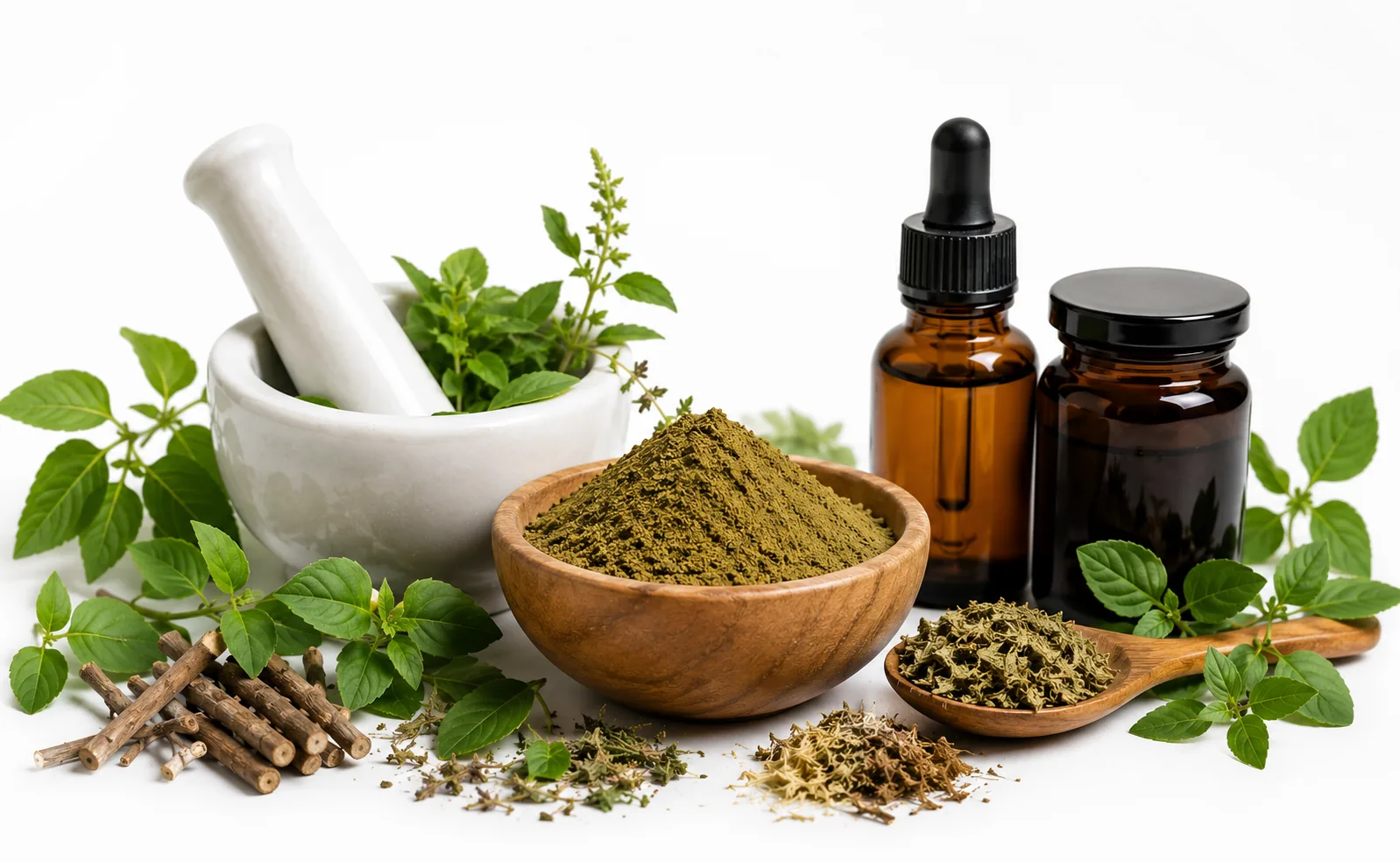
In an era shaped by precision nutrition, tightening global safety thresholds, and aggressive regulatory enforcement, purchasing bulk herbal extracts demands scientific scrutiny well beyond standard commercial wholesale. Modern procurement executives, Quality Assurance directors, and R&D formulators across the United States, European Union, United Kingdom, and Asia-Pacific are shifting away from generic brokers toward direct-origin botanical manufacturers. Navigating complex challenges—such as preventing economic adulteration, adhering to EU Maximum Residue Limits (MRLs), mitigating Ethylene Oxide (ETO) contamination, and validating analytical assay methods—determines brand integrity and supply continuity. SV Botanica provides validated, HPLC-standardised bulk botanical extracts engineered to withstand rigorous international compliance.
Standardised botanical powders engineered for optimal active bioavailability, physical compressibility, mesh consistency, and dissolution performance. Each batch is supported by comprehensive chromatography fingerprints and accredited contaminant analyses.
Withania somnifera
2.5% to 10% WithanolidesCurcuma longa
95% Total CurcuminoidsBoswellia serrata
65% Boswellic Acids / 30% AKBABerberis aristata
97.0% Berberine HydrochlorideAsparagus racemosus
20% to 60% SaponinsCamellia sinensis
50–98% Polyphenols / 50% EGCGSilybum marianum
80% Silymarin (HPLC / UV)Moringa oleifera
20% Saponins / 10:1 RatioLooking for custom extraction ratios, specialized solvent systems, carrier-free drying (organic maltodextrin/acacia gum), or custom mesh sizing (40 to 120 mesh)? Our technical team will customize and validate your specification.
Get a QuoteThe global botanical active market is moving beyond transactional price-per-kilogram bargaining. Enterprise buyers must design forward-looking procurement structures that withstand tightening regulatory scrutiny and severe climate vulnerabilities.
With rampant price volatility in high-demand phytochemicals such as Curcumin, Elderberry, and Ginkgo, economic adulteration has grown more complex. Shrewd buyers now reject non-specific UV spectrophotometric assays in favor of multi-component HPLC, HPTLC visual finger-printing, and Carbon-14 (14C) radiocarbon dating to prove pure biogenic origin and catch synthetic petrochemical spikes.
Monsoon volatility and shifting agrarian weather patterns across South Asia directly affect seasonal active biomarker concentrations and raw material yields. Enterprise buyers are abandoning open-market commodity traders, choosing primary processors that operate long-term contract cultivation networks with Indian farmers to protect batch yield, cost structures, and supply continuity.
Consumer intolerance for petroleum-derived residual solvents like hexane, dichloromethane, and ethyl acetate is driving brand reformulations. Forward-looking buyers are moving toward Supercritical CO2 fluids, enzymatic extraction, and purified hydro-ethanolic solvents. These methods meet clean-label, non-GMO, and organic compliance across the US, EU, and Japanese markets.
Processing raw botanical biomass into standardized, high-stability powder extracts involves sophisticated physical, chemical, and chromatographic engineering.
Hydrophobic phytochemicals like Curcumin, Boswellic acids, and Resveratrol suffer from low oral bioavailability. Modern bulk extractors utilize phospholipid complexation (phytosomes) and nano-emulsion technologies, delivering up to 10x-29x bioavailability over standard powdered extracts.
Thermally labile bioactives can degrade under conventional rotary drum drying. Implementing low-temperature continuous vacuum belt drying and closed-cycle nitrogen spray drying protects sensitive withanolides, polyphenols, and essential volatile fractions while preventing thermal oxidation.
Legacy extract production heavily relied on synthetic maltodextrin and silicon dioxide. Next-generation production replaces these with certified organic tapioca maltodextrin, acacia gum, organic rice concentrate, or completely excipient-free, pure botanical active drying.
High-speed tableting and encapsulation require consistent bulk density, low hygroscopicity, and uniform free-flowing particle size. Fluid-bed agglomeration and precision granulating standardize bulk density between 0.35 g/ml and 0.65 g/ml, cutting out blend separation during high-output packaging.
The booming functional ready-to-drink (RTD) beverage market demands extracts that dissolve without creating cloudy haze, precipitating, or altering mouthfeel. Advanced enzymatic de-pectinization and micellar dispersion technologies allow hydrophobic extracts to disperse cleanly in cold-water formulations.
To eliminate ethylene oxide and gamma-irradiation risks, we use high-temperature, short-time (HTST) closed-system steam decontamination. This reliably controls pathogens (Salmonella, E. coli, yeasts, and molds) without diminishing valuable active marker profiles.
Consolidate your global raw material qualification, technical documentation, and cross-border logistics through an audited, certified manufacturer.
01Pharmacopoeial botanical extracts with precise marker percentages (Withanolides, Curcuminoids, Boswellic Acids, Berberine, Silymarin) verified by validated HPLC systems.
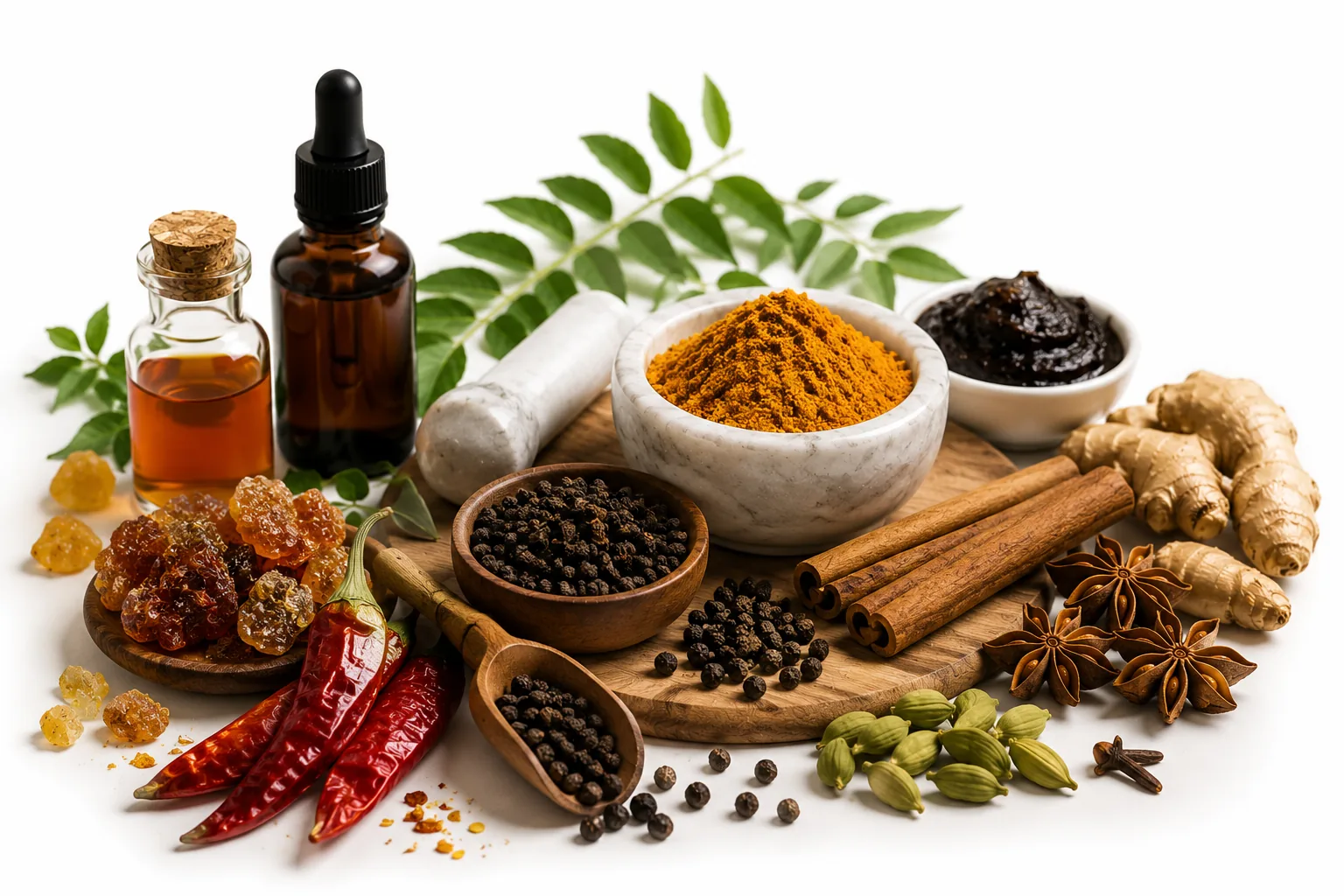
Explore Herbal Extracts02Supercritical and solvent-extracted spice oleoresins—black pepper piperine, capsicum, gingerol, cardamom, and clove—with standardized color, piperine, and pungency values.
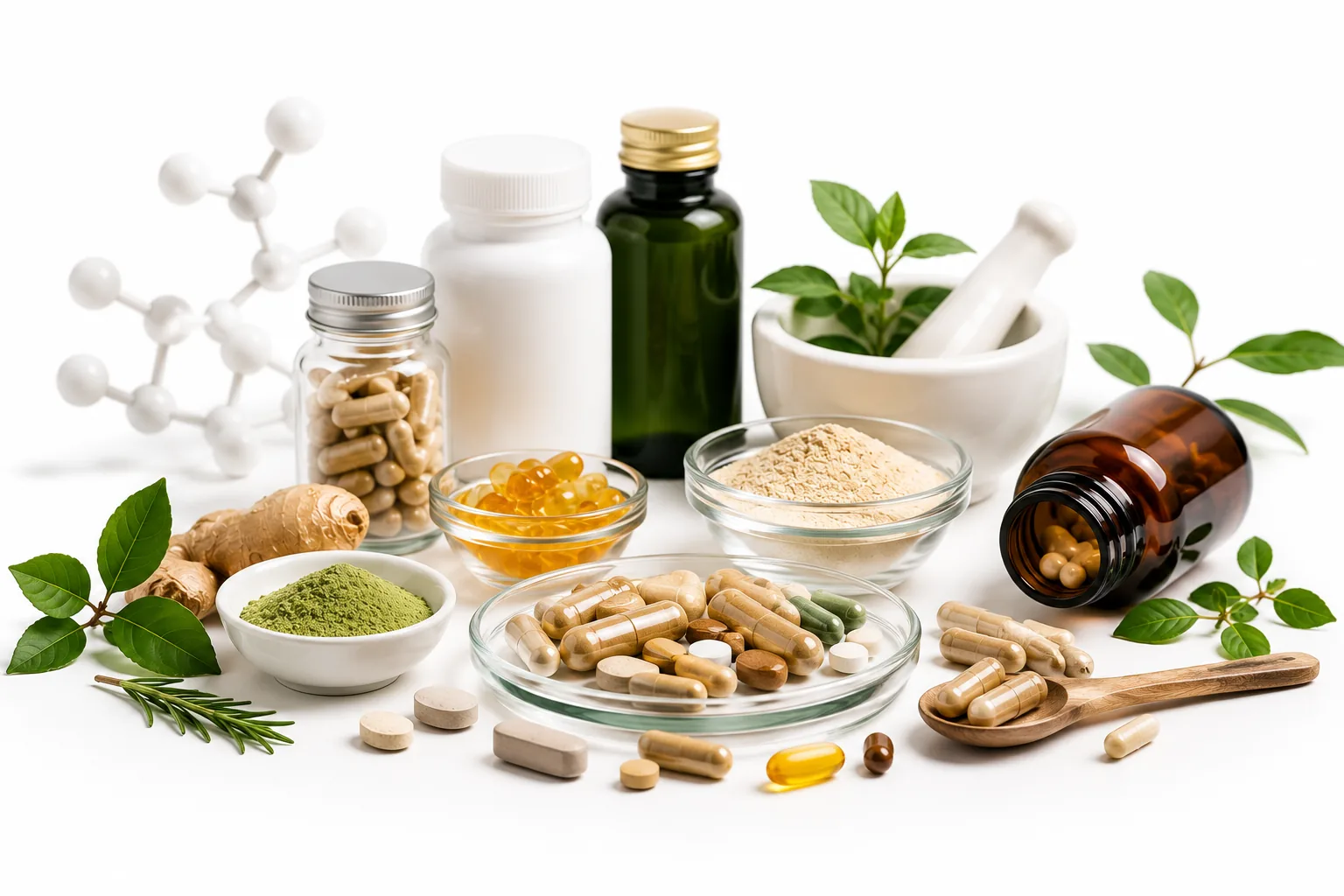
Explore Spices & Oleoresins03Targeted bioactive substances engineered for dietary supplements, sports nutrition blends, and functional wellness complexes, built for strict clean-label compliance.
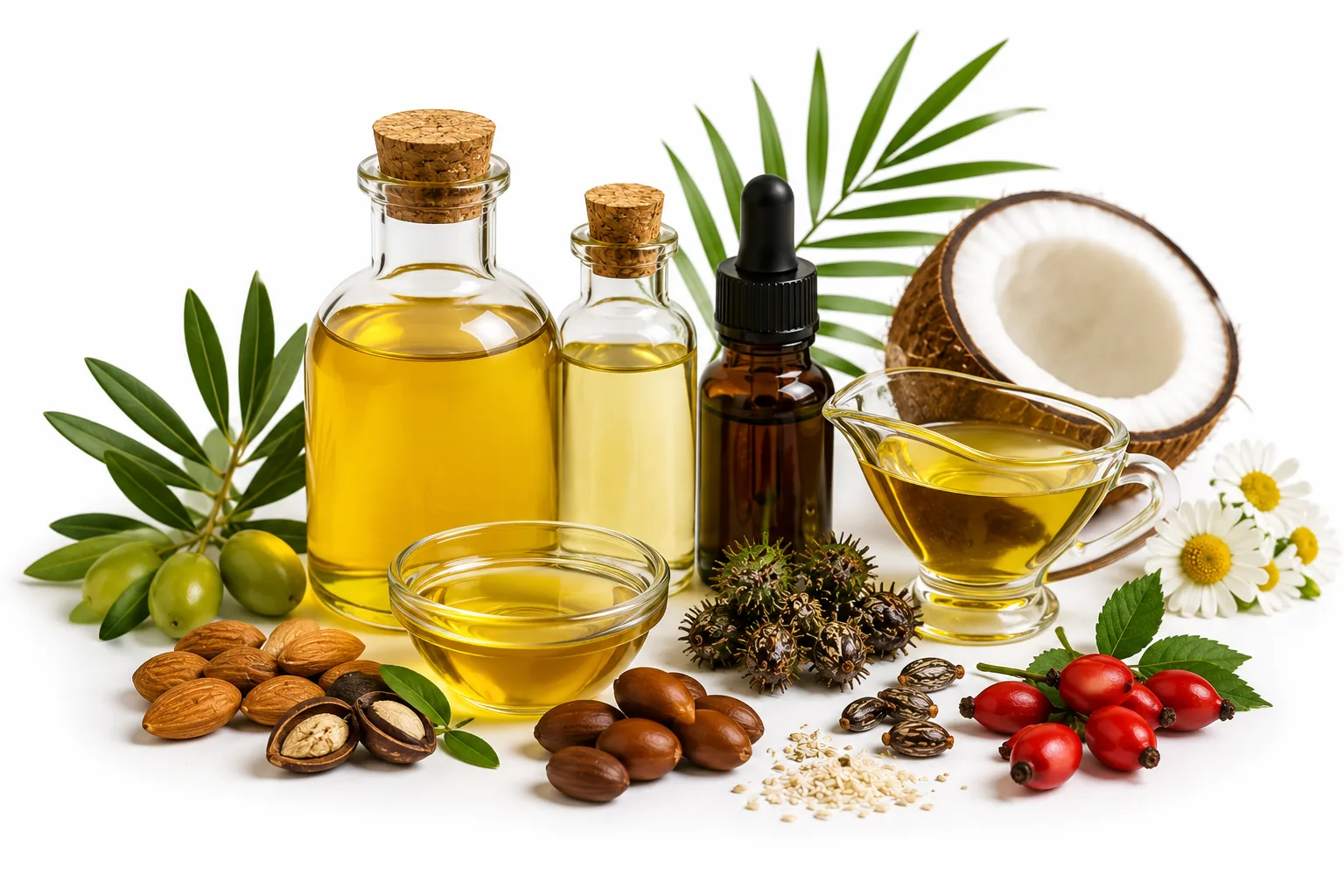
Explore Nutraceuticals04Cold-pressed virgin carrier oils and pure steam-distilled essential oils with verified GC-MS fatty acid and terpene profiles for personal care and cosmeceuticals.
Explore Natural OilsBotanical exports entering western jurisdictions face stringent testing for contaminants and rigorous regulatory checks. We treat quality control and auditing paperwork as core components of our products, guaranteeing seamless clearance through US FSVP audits and EU Border Control Posts (BCPs).
Comprehensive multi-residue pesticide screens covering 500+ compounds via accredited LC-MS/MS and GC-MS/MS, fully compliant with Regulation (EC) No 396/2005.
500+ Active Substances ScreenedQuantification of Lead (Pb), Cadmium (Cd), Mercury (Hg), and Arsenic (As) in strict parts-per-billion (ppb) limits per Regulation (EU) 2023/915 & USP <2232> guidelines.
Sub-ppm Trace Element PrecisionTargeted testing confirming sum-ETO and 2-chloroethanol levels fall below the 0.05 mg/kg limit of quantification (LOQ), fully compliant with Implementing Regulation (EU) 2019/1793.
Guaranteed ETO-Free TreatmentComplete supplier-verification packages structured to satisfy 21 CFR Part 111 (cGMP) and 21 CFR Part 1 Foreign Supplier Verification Programs (FSVP).
Turnkey Audit Dossiers ReadyIncoming Quality Control (IQC) failures create warehouse bottlenecks and halt product launches. Every lot shipped by SV Botanica comes backed by a complete, pre-validated documentation dossier before departure from India.
Over 80% of cross-border botanical disputes arise from mismatched laboratory testing protocols rather than physical ingredient quality. Review this comparison matrix prior to submitting purchase specifications.
| Critical Specification Parameter | Quality & Financial Impact on Procurement |
|---|---|
| Taxonomic Name & Plant Part | Specifying Withania somnifera root extract prevents unintentional blending with cheaper aerial leaf parts. This maintains the desired withanolide-to-withaferin ratio needed for clinical efficacy. |
| Analytical Assay Methodology | UV-Vis spectrophotometry regularly returns assay values 15% to 30% higher than HPLC by absorbing irrelevant pigments. Always specify HPLC to ensure clear, objective lab parity. |
| Carrier Type & Percentage | Extracts with high hygroscopicity often require carriers. Make sure to define whether you need pure native extract (100% botanical) or acceptable carrier media (organic tapioca maltodextrin, gum acacia). |
| Particle Size & Mesh Profile | Hard-shell capsules typically demand an 80-mesh powder to prevent dust loss, while direct-compression tableting often requires 40 to 60-mesh granules to ensure proper machine flow and avoid capping. |
| Residual Extraction Solvents | Make sure residual solvents fall well within USP <467> Class 3 criteria (Ethanol < 5000 ppm) and are completely free of Class 1 or Class 2 toxins (such as Benzene or Hexane). |
| Destination Import Framework | Consignments shipped to the EU require strict pre-clearance under Regulation 2019/1793 for ETO, whereas US entries prioritize FDA FSVP qualification dossiers and dietary supplement cGMP compliance. |
We combine direct agricultural sourcing across India's premier growing regions with advanced cGMP extraction and responsive technical communication.
Manufactured under GMP, ISO 9001:2015, and ISO 22000 processing conditions, with active registrations with FSSAI, APEDA, and global compliance bodies.
Receive comprehensive Certificates of Analysis, method validation summaries, safety data sheets, and commercial pricing quotes within 24 business hours.
Every single batch undergoes ICP-MS heavy metals, HPLC/UV active assay, pesticide residue panels, and microbiological verification before release.
Integrated contract cultivation across Rajasthan, Madhya Pradesh, Kerala, and Maharashtra guarantees fair farmer pricing and pure, traceable raw botanicals.
Complete export management from our Nashik facility to ports in Nhava Sheva (JNPT) and Mumbai Airport, delivering direct to your receiving warehouses worldwide.
Simplify procurement audits by sourcing standardised extracts, spice oleoresins, cold-pressed oils, and nutraceutical raw materials from a single vetted manufacturer.
A transparent procurement process designed to secure QA approval on samples before your commercial consignment ships from India.
Provide your target botanical species, active marker %, acceptable assay method, target market, and volume forecast.
Day 0 InitiationReceive our complete technical data sheet, representative lot CoA, regulatory statements, and transparent volume pricing.
Within 24 HoursEvaluate an air-shipped, pre-shipment pilot sample against your internal lab criteria for identity, active assay, and purity.
Lab Sign-OffCommercial lot production, final release testing, phytosanitary export documentation, and global air/ocean freight delivery.
10 to 14 Days TypicalIn-depth technical answers addressing the real-world challenges procurement teams, quality directors, and analytical chemists encounter when purchasing botanicals.
Botanical authenticity requires multi-layer testing. We use High-Performance Thin-Layer Chromatography (HPTLC) fingerprinting to compare samples against authentic herbarium specimens. For extracts prone to synthetic spikes, like Curcumin 95%, we run Carbon-14 isotope analysis (ASTM D6866) to verify 100% natural bio-based carbon versus petroleum-derived synthetic additives. We also perform HPLC enantiomeric screening to verify natural stereoisomer distributions.
UV-Vis measures broad light absorption, which picks up both your target active and non-target plant compounds (such as general tannins and polyphenols), leading to artificially high results. High-Performance Liquid Chromatography (HPLC) physically separates individual molecular peaks on a column, measuring only the targeted compound. A raw extract reading 95% total curcuminoids via UV-Vis might show only 80% to 88% true curcuminoids by HPLC. SV Botanica explicitly lists the assay method on every Certificate of Analysis to ensure your incoming QC tests match.
Under Regulation (EC) 396/2005 and Regulation (EU) 2019/1793, Indian botanicals face strict EU border controls. We use validated steam sterilization instead of gas fumigation, keeping total Ethylene Oxide and 2-chloroethanol levels below the 0.05 mg/kg limit of quantification. Every batch headed to Europe undergoes multi-residue LC-MS/MS and GC-MS/MS pesticide testing covering 500+ compounds, run by accredited independent labs before export.
Our typical starting MOQ for catalog extracts is 25 kg, packed in double-polyethylene food-grade bags inside tamper-evident fiber drums. For custom extractions, unique solvent blends, or non-standard mesh sizes, MOQs typically range from 100 kg to 500 kg depending on raw material availability. In-stock products dispatch within 10 to 14 days, while custom production runs take 3 to 4 weeks.
Every export shipment includes a full compliance dossier: batch-specific Certificate of Analysis with stated HPLC/UV methods, 16-section GHS Safety Data Sheet (SDS), Technical Data Sheet (TDS), Manufacturing Flow Diagram, Non-GMO & Allergen Declarations, TSE/BSE-Free Certificate, ICP-MS Heavy Metals Panel, Microbiological Analysis, Phytosanitary Certificate, and an authorized Digital Certificate of Origin.
Yes. To prevent clouding and settling in functional beverages, we produce specialized water-dispersible and clear-dissolving extracts using advanced micellar dispersion techniques. We offer clean-label carriers like organic acacia gum and organic rice hulls, or completely carrier-free extracts dried under vacuum, avoiding synthetic processing aids.
Connect with our senior technical sourcing team in Nashik, Maharashtra. Discuss specifications, request pre-shipment validation samples, and review full compliance documentation. We respond to technical inquiries within 24 business hours.
Share your target parameters below to receive a detailed specification match, commercial pricing, and validation samples.