0%

Choosing the best Ashwagandha extract in 2026 requires more than reading a bold label. Different extracts may use root, leaf, or blended plant materials. Their withanolide levels can also vary widely. These differences influence potency, tolerability, and research relevance. A clinically studied extract is not automatically ideal for everyone. Your goals, health history, and sensitivity matter.

This guide compares common extract types, including root-only powders, standardized extracts, and full-spectrum formulas. It examines preparation methods, marker compounds, testing practices, and available human evidence. Look beyond impressive percentages. A higher withanolide number may not guarantee better results. Independent testing can reveal heavy metals, microbes, or inaccurate label claims. Certificates of analysis provide useful evidence, when laboratories and methods are clearly identified.

Details matter.

I have considered how these products appear in real routines. One capsule may be taken with breakfast, while another causes stomach discomfort after several days. Some users prefer gentle formulas, while others seek a more concentrated option. However, personal experience cannot replace controlled research. Evidence remains uneven across extract types, and marketing language can blur important limitations. This article therefore weighs practical usability against scientific support, safety information, and manufacturing transparency. It also highlights who should seek medical advice before using Ashwagandha extract, including people taking medicines or managing ongoing health conditions. The “best” choice may be less dramatic than expected. It may simply be the product with clear testing, suitable dosing, and dependable quality.
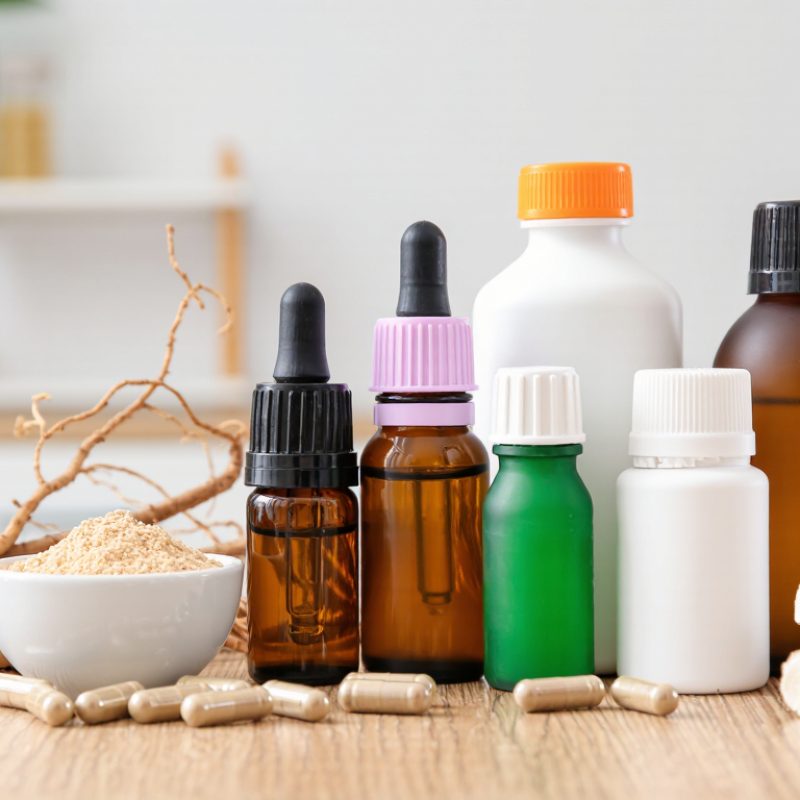
2026 Top Ashwagandha Extract Types Which One Is Best?

Ashwagandha Extract Basics: Root, Leaf, and Full-Spectrum Differences

Ashwagandha Extract Basics: Root, Leaf, and Full-Spectrum Differences

Ashwagandha root extract remains the most familiar option in supplements. Traditional preparations commonly focus on the root, while modern products may list specific withanolide levels. Root extracts can differ greatly in strength, extraction method, and testing quality. A higher percentage does not automatically mean a better choice.

Leaf extract deserves careful attention. Leaves contain withanolides, but their chemical profile may differ from the root. Human research is also less extensive for leaf-only products. Full-spectrum extracts combine several plant parts or preserve a broader range of compounds. This approach may reflect the whole plant more closely, but “full-spectrum” is not a universal scientific standard. The label alone rarely tells the whole story. Evidence remains uneven.

Tips: Check the plant part, extraction ratio, and standardized withanolide content. Look for independent testing for identity, heavy metals, microbes, and contaminants. Start with the lowest labeled serving, especially if you take thyroid, blood pressure, blood sugar, or sedative medicines. Discuss regular use with a qualified healthcare professional. Some people report calmer evenings or better sleep. Others notice stomach discomfort or no clear benefit. That variation matters. My practical view is simple: choose transparent testing over impressive wording, and reassess your response after several weeks.

Withanolide Standardization: Comparing 2.5%, 5%, and 10% Extracts

2026 Top Ashwagandha Extract Types: Which One Is Best?

Withanolide standardization shows how much measured withanolide content an extract contains.

A 2.5% extract offers a lower concentration per capsule. It may suit people who prefer gradual dosing.

A 5% extract provides a middle range for many supplement formulas.

A 10% extract is much more concentrated. Small capsules can deliver larger amounts.

More is not automatically better. The percentage alone does not prove superior quality. Root-only sourcing, extraction methods, and independent laboratory testing also matter.

Look for the plant part, test method, batch number, and contaminant screening on the certificate of analysis.

Check the label carefully. “10% withanolides” should identify the tested compound group and serving size. Some products may use different testing methods, making direct comparisons unreliable.

This is where practical judgment matters. A clean-looking label can still leave questions.

People using thyroid, blood pressure, sedative, or immune-related medicines should ask a qualified healthcare professional before use. Pregnancy and chronic conditions also require professional guidance.

Start with the lowest reasonable serving stated on the label. Monitor sleep, digestion, alertness, and other changes. Stop if unusual effects appear.

Standardization is useful, but it is only one piece of the quality picture.

Extraction Methods: Water, Ethanol, and Dual-Extraction Profiles

2026 Top Ashwagandha Extract Types: Which One Is Best?

Extraction determines what an ashwagandha extract actually contains. Water extraction generally produces a broader, gentler profile, including polysaccharides and water-soluble compounds. Ethanol can concentrate more lipophilic constituents, especially withanolides. Dual extraction combines both approaches, but it is not automatically superior. Processing temperature, root quality, solvent ratio, and drying conditions can change the final result.

Published comparative analyses have found several-fold differences in measured withanolide levels among commercial extracts. The USP Herbal Medicines Compendium therefore emphasizes identity testing, marker-compound assays, and contaminant controls. HerbalGram’s 2024 market report recorded more than US$12 billion in United States herbal supplement sales in 2023. That growth increases the need for transparent extraction data, not louder claims. I would question any product that lists only “standardized extract” without naming the tested compounds.

Tips: Check the plant part, extraction solvent, withanolide assay, and certificate of analysis. Prefer independent testing for heavy metals, microbes, pesticides, and residual solvents. Water extracts may suit users seeking a broader profile, while ethanol extracts may offer stronger marker-compound concentration. Dual extracts can be useful when both fractions are verified. The method matters. The label should show it.

Clinical Dose Evidence: Why Studies Commonly Use 300–600 mg Daily

In 2026, ashwagandha extract selection should begin with clinical evidence, not label size. Root-only extracts, root-and-leaf extracts, and water-based preparations may differ in active withanolide content. That difference matters.

Clinical trials commonly test 300–600 mg daily, usually split into one or two doses. A 2022 systematic review in Medicine reported benefits for stress and anxiety across several controlled studies, but preparations and doses varied widely. This weakens direct comparisons. One trial may use 300 mg daily, while another uses 600 mg of a more concentrated extract. The milligrams are not interchangeable.

Look for published testing of withanolide content, extraction method, and contaminant screening. The NIH’s Office of Dietary Supplements notes that supplement quality can vary between products, even when labels appear similar. Industry analyses from Grand View Research also describe growing demand for standardized botanical extracts, but market growth does not prove clinical effectiveness. That distinction is easy to miss.

My practical reading of the evidence is cautious. A 300 mg daily dose may be a reasonable study-based starting point for some adults, while 600 mg appears frequently in stress and sleep research. Higher intake is not automatically better. Some studies remain small, short, or poorly matched. People with thyroid, liver, autoimmune, or medication concerns should seek professional advice before use. Evidence is useful, but still incomplete.

Which Extract Is Best? Matching Standardization to Safety and Purpose

Choosing the best ashwagandha extract starts with purpose, not popularity. Different extracts can vary in plant part, processing method, and withanolide concentration. Root-only extracts are often selected for traditional use and simpler labeling. Root-and-leaf extracts may provide a broader chemical profile, but their safety evidence can be less consistent. Higher standardization does not automatically mean better results. It may also increase the chance of unwanted effects.

A practical comparison should match the extract to the intended use. For everyday stress support, a moderate, clearly labeled root extract may be a reasonable option. Sleep-related goals require extra caution, especially with sedating medicines. Research findings remain mixed, and individual responses differ. That matters. A product showing laboratory purity, batch testing, and transparent dosage information deserves more trust than one making dramatic promises. Still, testing does not prove that every person will benefit.

Tips: Check the exact withanolide percentage, plant part, serving size, and testing date. Avoid stacking several calming supplements at once. People who are pregnant, nursing, managing thyroid or autoimmune conditions, or taking medication should seek qualified medical advice first. Stop use if unusual symptoms appear. I would also question extracts described as “maximum strength” without clear human safety data. The strongest label is not always the wisest choice.

FAQS

What daily amount is commonly studied for ashwagandha extracts?

Clinical studies commonly examine 300–600 mg daily. Doses may be split once or twice daily. More is not automatically better.

Can two products with the same milligram amount be equivalent?

Not necessarily. Extract concentration, plant parts, and processing methods can differ. Three hundred milligrams may not equal another product’s 300 milligrams.

Which plant parts should consumers compare?

Check whether the extract uses root only or root and leaf. Root-only products often have simpler labeling. Root-and-leaf products may have less consistent safety evidence.

What information should appear on a trustworthy product label?

Look for the withanolide percentage, serving size, plant part, extraction method, and testing date. Batch testing is useful. Vague labels deserve caution.

Is a higher withanolide concentration always more effective?

No. Stronger standardization may increase unwanted effects. It also does not guarantee better results. I would question “maximum strength” claims without human safety data.

What extract may suit general stress support?

A moderate, clearly labeled root extract may be a reasonable study-based option for some adults. Individual responses still vary. The evidence is incomplete.

Should people use extra caution for sleep-related goals?

Yes, especially when using medicines that cause drowsiness. Avoid combining several calming supplements casually. A sleepy evening can become an unexpected problem.

Who should seek professional advice before use?

People who are pregnant, nursing, or managing thyroid, liver, or autoimmune conditions should ask a qualified professional first. Medication use also matters.

What should someone do after unusual symptoms appear?

Stop using the product and seek appropriate medical guidance. Keep the bottle nearby, including its dosage and batch details. Do not simply increase or switch doses.

Conclusion

Ashwagandha extract can vary significantly depending on the plant part, standardization, and extraction process. Root extracts are traditionally used and are often preferred for general wellness, while leaf or root-and-leaf formulas may provide a different withanolide profile. Standardization levels such as 2.5%, 5%, and 10% indicate the approximate concentration of key compounds, but a higher percentage is not automatically better. Water extraction may emphasize water-soluble components, ethanol extraction can draw out a broader range of compounds, and dual extraction aims to combine both profiles.

Research commonly evaluates daily amounts in the range of 300–600 mg, although the appropriate serving depends on the extract’s concentration, individual needs, and product quality. Choosing the best Ashwagandha extract means matching its standardization and extraction method to a specific purpose while considering tolerance and safety. Lower-strength options may suit regular use, whereas concentrated extracts require more careful serving decisions and attention to professional guidance.


Evelyn

Evelyn

Evelyn is a skilled marketing professional with a strong understanding of the company’s products, customers, and industry landscape. With a thoughtful, research-driven approach, she regularly contributes expert articles to the company website, sharing practical insights, product knowledge, market......