
Industry White Paper: De-risking Global Supply Chains for Cosmetic & Nutraceutical Ingredients
Procuring raw ingredients for topical formulations and nutricosmetic supplements has entered a new regulatory epoch. Formulators and procurement directors are navigating stricter border control posts (BCPs), stringent European pesticide Maximum Residue Limits (MRLs under Regulation EC No 396/2005), total elemental impurity caps (Regulation EU 2023/915), and rigorous ethylene oxide (ETO / 2-chloroethanol) enforcement under Regulation (EU) 2019/1793. Sourcing strictly from audited, analytical-first manufacturing facilities is no longer a luxury—it is an existential operational safeguard.
Analytical Method Harmonisation: Eliminating Specification Blindspots
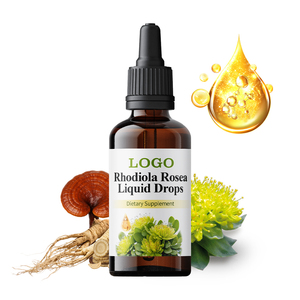
A chronic challenge in botanical procurement is quantitative discrepancy between manufacturer release CoAs and incoming brand quality control laboratories. For instance, when sourcing Rhodiola Rosea, total salidroside and rosavin ratios vary dramatically depending on whether testing is conducted via non-specific Spectrophotometry (UV-Vis) or high-resolution reversed-phase High-Performance Liquid Chromatography (RP-HPLC). UV metrics routinely overestimate target chromophore concentrations by 25% to 40% due to non-specific absorbance overlapping with background polyphenols.
Technical Principle: SV Botanica mandates RP-HPLC and GC-MS standardisation with fully disclosed column configurations, flow rates, and certified reference standards (CRS). Every Certificate of Analysis clearly details whether values represent chromatographic peaks or gravimetric assays, eliminating laboratory disputes and import delays.
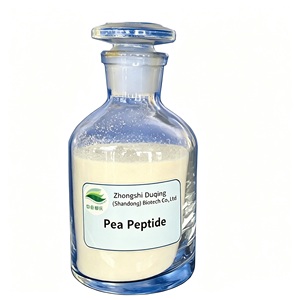
Similarly, for plant-derived peptides like PEA Peptides, molecular weight distribution profiles (MWD) determine cellular uptake and topical bio-affinity. Unfractionated enzymatic digests often carry bulk protein chains exceeding 5,000 Daltons, which cannot penetrate the stratum corneum. Our enzymatic hydrolysis platforms utilise precise endo- and exo-peptidase cleaving to ensure over 85% of peptides fall within the targeted bioactive window (<1,000 Da), optimizing collagen matrix stimulation and dermal tensile recovery.
Procurement Trends Shaping 2026–2030 Sourcing Roadmaps
Procurement teams are shifting away from transactional broker markets toward integrated manufacturing partners who guarantee continuous farm-to-freight chain of custody. Key procurement vectors include:
Pre-Emptive EU MRL Panels
Direct screening across 500+ agrochemical and pesticide residues prior to palletization, guaranteeing friction-free entry through EU and US border control points.
Biomarker Identity Fingerprinting
High-Performance Thin-Layer Chromatography (HPTLC) fingerprinting cross-referenced against pharmacopoeial botanical reference standards to verify species purity.
ETO-Free Cryogenic Decontamination
Eliminating ethylene oxide sterilization completely. We deploy supercritical carbon dioxide and validated dry steam pasteurization systems to preserve delicate active fractions.
Future Development Trends in Cosmetic Raw Material Science
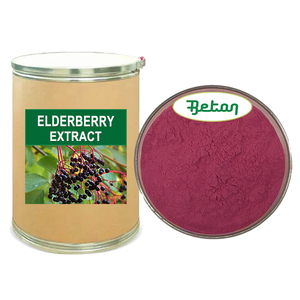
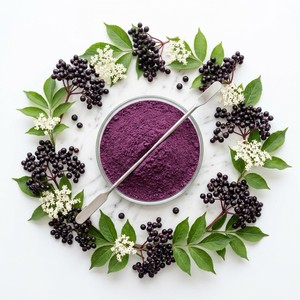
The convergence of topical cosmetics with internal wellness—the "Inside-Out Beauty" paradigm—demands multifunctional materials. High-solubility actives like our Water-Soluble Sambucus Nigra (Elderberry) Extract (25% Anthocyanins) bridge the boundary between functional nutricosmetic ingestibles (such as clinical gummies and oral collagen amplifiers) and topically applied cellular anti-pollution matrices.
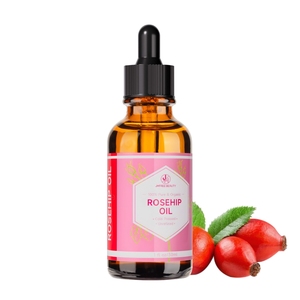
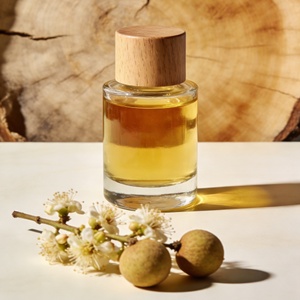
Simultaneously, lipid engineering has advanced beyond conventional extraction. Cold-pressed carrier matrices, including our stabilized Rosehip Seed Oil, now feature protected lipid envelopes that prevent premature peroxidative breakdown of endogenous Trans-Retinoic Acid and polyunsaturated linoleic fractions, delivering superior shelf stability in active anti-aging emulsions.
Comparative Technical Specification Matrix
| Active Ingredient | Primary Marker Compound | Reference Assay Method | Key Regulatory Qualification |
|---|---|---|---|
| PEA Peptides | Short-Chain Amino Oligomers | SEC-HPLC / Ninhydrin Colorimetry | Non-GMO, Hypoallergenic, Vegan Registered |
| Rhodiola Rosea Root Extract | Rosavins ≥3.0%, Salidroside ≥1.0% | RP-HPLC (USP & Ph. Eur.) | Pesticide Screened (<0.01 mg/kg limit), ETO Free |
| Sambucus Nigra Extract | Anthocyanins 15% - 25% | pH Differential / HPLC | 100% Water Soluble, Microbial Plate <1000 CFU/g |
| DNA Protection Botanical | Flavonol Glycosides & Phenolics | Chromatographic Fingerprinting | Free-Radical Quenching ORAC >12,000 μmol TE/g |
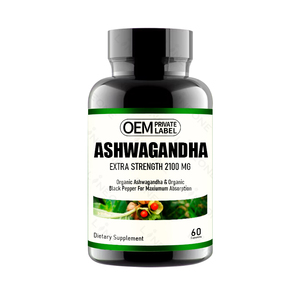
| Standardised Ashwagandha | Withanolides ≥5.0% | RP-HPLC (USP Monograph) | Zero Withaferin A cytotoxic spikes, Clean-Label |
Manufacturing Competencies & Technical Advantages
Headquartered in Nashik, Maharashtra—the agricultural heartland of botanical cultivation in India—SV Botanica Private Limited operates as an integrated manufacturing exporter. We eliminate intermediaries, offering end-to-end provenance over our supply lines.
Farm-Level Traceability
Our direct grower networks guarantee batch separation, seasonal stability, and raw root/botanical stock traceability right to the regional harvest co-operatives.
In-House Analytical Verification
Equipped with modern HPLC, GC-MS, and ICP-MS instrumentation to verify marker potency, elemental impurities (As, Pb, Cd, Hg), and microbial loads prior to customs sealing.
Export-Ready Dossiers
We supply full Technical Data Sheets (TDS), safety dossiers (SDS/MSDS conforming to GHS/REACH), Phytosanitary Certificates, and Destination Customs Documentation.
Frequently Asked Questions for Sourcing & Procurement Teams
How do you guarantee EU pesticide compliance (Regulation EC No 396/2005)?
Every commercial production batch bound for the European Union undergoes multi-residue LC-MS/MS and GC-MS/MS pesticide screening through accredited, ISO/IEC 17025-certified external laboratories prior to export release. We share raw chromatographic data before freight dispatch.
What is your standard protocol for heavy metal evaluation?
Heavy metal concentrations (Lead, Cadmium, Arsenic, Mercury) are quantified via Inductively Coupled Plasma Mass Spectrometry (ICP-MS). We adhere strictly to the stringent thresholds outlined in Regulation (EU) 2023/915 and USP limits (<0.5 ppm Pb, <0.5 ppm Cd, <0.1 ppm Hg, <1.0 ppm As).
What are the baseline minimum order quantities (MOQ)?
Our standard MOQ for commercial powdered extracts and enzymatic peptides is 25 kg, packed in sealed pharmaceutical-grade polyethylene liners protected by robust fibre drums. Pilot development batches (1 kg to 5 kg) can be accommodated during your brand's formal R&D and scale-up phase.
Can you customize carrier matrices and mesh particle sizes?
Yes. We routinely configure particle sizes ranging from standard 60-mesh to superfine 120-mesh or micronised grades for smooth suspension in serums and emulsions. Carriers can be tailored—from organic maltodextrin and acacia gum to clean-label excipient-free profiles—to suit specific labeling declarations.
Request Technical Specifications, Pilot Samples, or Bulk Quotations
Collaborate directly with our technical sourcing specialists. Receive batch-specific Certificates of Analysis, method validation summaries, and comprehensive pricing structures within 24 hours.