Direct supply from industrial-scale seed handling and clean extraction facilities. Every container batch conforms to pharmacopoeial benchmarks, ensuring batch-to-batch homogeneity, low peroxide levels, and clean fatty acid profiles.
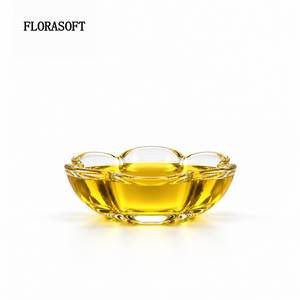
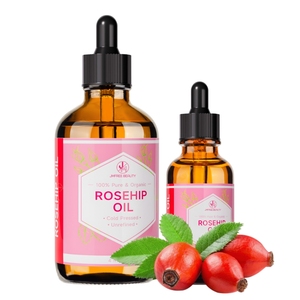
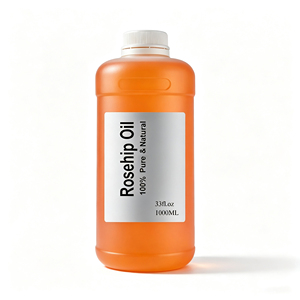
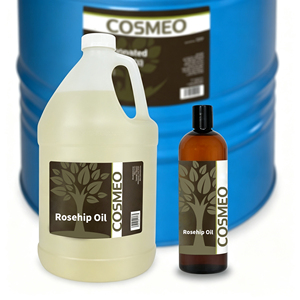
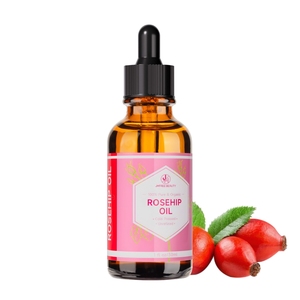
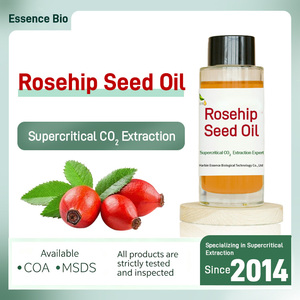
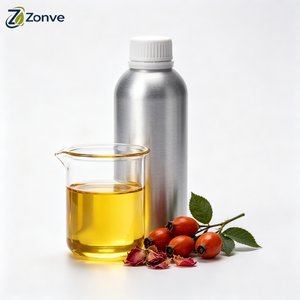
Rosehip seed oil derived from Rosa canina, Rosa rubiginosa (Rosa Mosqueta), or Rosa pendulina is prized across cosmetic chemistry and pharmaceutical applications for its unique lipid fingerprint. Unlike standard single-compound carrier oils, raw unadulterated rosehip seed oil features a synergistic matrix of Polyunsaturated Fatty Acids (PUFAs), notably cis-linoleic acid (Omega-6, 41% to 54%) and alpha-linolenic acid (Omega-3, 26% to 38%), along with monounsaturated oleic acid (10% to 18%).
Industrial procurement specialists frequently confront quality degradation triggered by improper mechanical or thermal handling during seed de-husking and pressing. Polyunsaturated lipids are intrinsically thermolabile and sensitive to photo-oxidation. When processing temperatures exceed 45°C during expeller pressing, the conjugated diene values rise sharply, accelerating free fatty acid (FFA) cleavage and resulting in accelerated rancidity. CE-compliant, international-standard facilities apply cold-feed conditioning systems where mechanical expellers are jacketed with glycol chillers to maintain an extraction core temperature below 38°C.
| Analytical Parameter | Virgin Cold Pressed | Refined Carrier Grade | Supercritical CO2 (Total Extract) |
|---|---|---|---|
| Visual Appearance | Deep reddish-orange / amber | Pale golden / clear yellow | Vibrant deep ruby red |
| Acid Value (mg KOH/g) | ≤ 1.5 | ≤ 0.5 | ≤ 2.0 |
| Peroxide Value (meq O2/kg) | ≤ 5.0 (at dispatch) | ≤ 2.0 | ≤ 3.0 |
| Carotenoid Content (ppm) | 180 – 350 ppm | < 25 ppm (deodorized) | 400 – 900 ppm (lipophilic matrix) |
| Natural Tretinoin (all-trans RA) | 0.10 – 0.35 mg/kg | Trace / Degraded | 0.25 – 0.60 mg/kg |
| Solvent Residue | 0 ppm (Mechanical) | 0 ppm (Refined Physical) | 0 ppm (Carbon Dioxide) |
For enterprise formulators, choosing between mechanical cold expelling and Supercritical Fluid Extraction (SFE) via CO2 represents a critical balance between cost structure, active marker density, and visual stability. SFE CO2 extraction operates above the thermodynamic critical point of carbon dioxide (31.1°C and 73.9 bar). By tuning pressure between 200 and 320 bar and temperature between 35°C and 42°C, our facility extracts dense phytosterols, squalene, and delicate trans-retinoic acid analogs without thermal breakdown or oxygen exposure.
Conversely, high-throughput mechanical cold pressing remains the global standard for scale and cost-efficiency in large-batch cosmetic lotions, hair serums, and cleansing formulations. In cold-pressing lines, seed conditioning is pivotal: the residual moisture content of the cleaned seeds must be kept within 6.5% to 7.8% to optimize shear friction while preventing hydraulic emulsion buildup.
Bridging certified agricultural cultivation with high-precision downstream purification. Our facilities operate under stringent cleanroom environments with end-to-end analytical traceability.
Every single bulk drum or IBC lot undergoes automated gas chromatography to quantify fatty acid methyl esters (FAME) and high-performance liquid chromatography to verify the active carotene and tocopherol profile.
Screened against 500+ agricultural pesticide residues compliant with Regulation (EC) No 396/2005. Lead, Cadmium, Arsenic, and Mercury validated under strict USP and EU limits via ICP-MS analysis.
Strict controls ensuring seeds and finished oils are free of ethylene oxide and 2-chloroethanol down to 0.01 mg/kg, ensuring zero-rejection rates at EU Border Control Posts (BCPs).
Drum decanting is executed under an inert nitrogen blanket (N2 headspace displacement) into food-grade epoxy-lined steel drums (180kg/190kg) or fluorinated HDPE carboys (25kg), preventing storage oxidation.
Complete regulatory portfolios ready on demand: technical dossiers, batch CoA, SDS (16-section compliant with EU REACH & GHS), Certificate of Origin, Non-GMO, and CPNP support documentation.
From concentrated bulk base oils to custom-compounded skin barrier serums, Vitamin C lipid infusions, and retail-ready finished dropper bottles with custom labeling under ISO 22716 cosmetic GMP protocols.
Anticipate regulatory shifts, sustainable harvest criteria, and technological evolution in the botanical lipid sector to secure supply security and regulatory resilience.
Global cosmetic regulations and consumer clean-label scrutiny are driving procurement away from solvent-extracted oils. SFE CO2 extracts eliminate concerns regarding residual hexanes, providing higher concentrations of bioavailable trans-retinoic acid while achieving 100% solvent-free positioning.
Procurement teams increasingly prioritize rosehip seeds sourced from the fruit processing, herbal tea, and nutraceutical juice side-streams. This zero-waste circular model delivers lower carbon emissions across Scope 3 calculations without compromising lipid purity or fatty acid distribution.
Driven by the European Union Deforestation Regulation (EUDR) and corporate ESG mandates, factory exporters must provide geolocated plot data and deforestation-free declarations for wild-crafted and agricultural harvest belts, backed by verifiable batch documentation.
To overcome oxidative instability in water-based formulations, manufacturers are seeking pre-stabilized rosehip oil complexes using natural rosemary extract (carnosic acid) or adopting spray-dried micro-encapsulated rosehip powders for oral beauty and instant-dissolve nutraceuticals.
Brands are bypassing secondary broker tiers to contract directly with certified extraction plants. This direct sourcing structure reduces supply chain contamination risk, ensures unadulterated batch identity, and secures fixed annual volume pricing amidst global agricultural fluctuations.
Demand is surging for tailored carrier matrices where cold-pressed virgin rosehip oil is expertly compounded at the source factory with stable active compounds (such as tetrahexyldecyl ascorbate or plant-derived squalane), shortening formulation lead times for beauty labels.
Direct answers to technical, commercial, and regulatory inquiries commonly raised by cosmetic chemists, quality auditors, and import directors.
Whether you require 180kg industrial drums of unrefined virgin oil, solvent-free supercritical CO2 total extracts, or complete contract bottling under ISO 22716 GMP standards, our technical specialists provide detailed documentation, batch-specific CoAs, and formal volume quotations within 24 hours.
