
Direct supply from audited GMP-grade facilities. Standardized marker assays, pesticide MRL compliance, and full technical documentation for pharmaceutical, food, and cosmetic formulations.
Microalgae procurement requires stringent analytical control over heavy metals, pheophorbides, cyanotoxins, and processing residues. Below is our baseline release matrix verified via accredited third-party validation.
| Analytical Parameter | Certified Benchmark Specification | Testing Methodology | Regulatory Alignment |
|---|---|---|---|
| Crude Protein Content | ≥ 65.0% (Kjeldahl Factor N × 6.25) | AOAC Official Method 984.13 | USP & Ph. Eur. Alimentary Standard |
| C-Phycocyanin Concentration | ≥ 14.0% – 18.0% (Dry Weight) | UV-Vis Spectrophotometric (A620/A280) | Clean-Label Natural Pigment / Nutraceutical |
| Microcystin Contamination | Non-Detectable (< 0.5 µg/g / ppm) | HPLC-PDA / LC-MS/MS | US FDA CPG Sec. 555.250 & Health Canada |
| Lead (Pb) & Cadmium (Cd) | Pb ≤ 1.0 ppm | Cd ≤ 0.5 ppm | ICP-MS (Inductively Coupled Plasma) | Commission Regulation (EU) 2023/915 |
| Arsenic (Inorganic) & Mercury | As (Inorg) ≤ 0.5 ppm | Hg ≤ 0.05 ppm | Hydride Generation ICP-MS | California Proposition 65 Thresholds |
| Ethylene Oxide (ETO) & 2-CE | < 0.05 mg/kg (Limit of Quantification) | GC-MS/MS Multi-Residue Extraction | EU Implementing Regulation 2019/1793 |
| Particle Sizing & Bulk Density | 100% Pass 80 Mesh | 0.45 – 0.65 g/mL | Laser Diffraction (Malvern Mastersizer) | Optimized for High-Speed Direct Encapsulation |
Spirulina powder offers extraordinary cross-industry versatility. We engineer particle granulation, density, and solubility parameters to maximize synergy across functional dosage formats.
Our direct-compressible spirulina grades eliminate the need for synthetic lubricants and heavy binders. Designed with optimized bulk density (0.55 g/mL) and minimal electrostatic charge, ensuring zero die-sticking in rotary compression machinery running at over 150,000 tablets per hour.
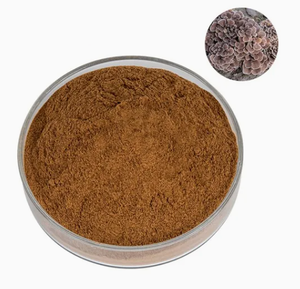
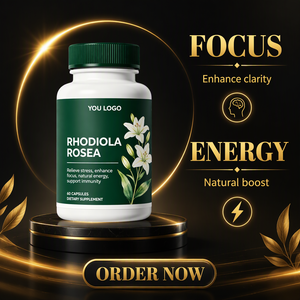
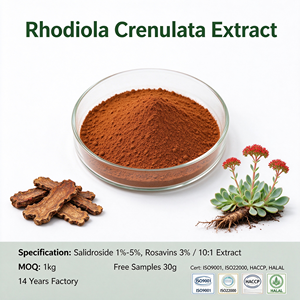
Pairs seamlessly with Rhodiola Rosea (3% Rosavin / 1% Salidroside) and Functional Mushroom Extract Powders. The mild thermal spray-drying process preserves active thermolabile phycobiliproteins without masking the natural botanical aromatics of adaptogenic blends.
Micro-milled to ultra-fine 120-mesh specification, our micronized spirulina provides rapid aqueous dispersibility in emulsions without gritty sediment. Delivers natural chlorophyllic detoxifying properties and free-radical protection alongside Cold-Pressed Rosehip Seed Carrier Oil.
The global microalgae supply chain is experiencing profound structural transformations driven by regulatory oversight, geopolitical supply shifts, and climate-adaptive cultivation protocols.
While traditional open raceway ponds present elevated airborne contamination risks, institutional buyers are pivoting toward closed-loop automated photobioreactors (PBR). This technological advancement prevents exposure to external pesticides, atmospheric heavy metals, and bird droppings while maintaining strict photosynthetic light regulation.
Regulatory scrutiny under EU Regulation 2019/1793 requires complete assurance against ethylene oxide fumigation. Leading supplement brands demand validated heat-sterilization protocols rather than gas decontamination, mandating zero-tolerance documentation at Border Control Posts (BCP).
Industrial demand has shifted beyond basic biomass powders. Procurement officers increasingly specify extract-grade biomass with validated C-phycocyanin contents exceeding 15% to facilitate upstream blue spirulina pigment extraction for clean-label confectionary, beverage, and nutricosmetic production.
Supply chain transparency is no longer optional. Modern Enterprise Resource Planning (ERP) integrations require microalgae suppliers to provide batch-level sequencing and isotope geographic verification to prevent adulteration with wild strains or lower-grade biomass substitutes.
Operating under rigorous global export accreditations, our infrastructure bridges cultivation integrity with strict western regulatory import clearances.
Supplied directly from GMP and ISO-certified processing facilities. Fully licensed under FSSAI Central Authority (Licence 11526999001161), registered with APEDA, and governed by Indian Corporate Identity Number CIN U21009MR2026PTC479885, ensuring sovereign and international commercial transparency.
Our quality assurance and scientific review teams analyze incoming queries immediately. We provide comprehensive technical dossiers, batch Certificates of Analysis (CoA), safety data sheets (SDS), and pesticide screening sheets within one single business day.
Cultivated in mineral-rich, controlled aquatic mediums with non-potable groundwater isolation. Every harvest lot undergoes ICP-MS heavy-metal mapping, certifying ultra-low levels of Lead, Cadmium, Arsenic, and Mercury far below European Commission standards.
Critical analytical and logistical clarifications addressing the compliance requirements of QA teams and commercial procurement directors.
In international botanical trade, CE certification designates full compliance with European harmonized standards for processing equipment safety, quality assurance systems, and cross-border commercial conformance. For the raw material itself, CE compliance corresponds to alignment with European Pharmacopoeia (Ph. Eur.) purity limits, Regulation (EC) No 396/2005 for pesticide MRLs, and Commission Regulation (EU) 2023/915 regarding chemical contaminants.
Cultivation ponds are inoculated solely with pure mono-strains of certified Arthrospira platensis. Daily optical microscopy paired with automated photometric monitoring prevents the growth of toxigenic blue-green species such as Microcystis aeruginosa. Prior to packaging, each batch is tested via liquid chromatography-tandem mass spectrometry (LC-MS/MS) to confirm undetectable microcystin levels (<0.5 µg/g).
We utilize low-temperature vacuum spray drying. The atomized microalgae slurry experiences high heat for only milliseconds, instantly evaporating moisture while preserving delicate phycobiliprotein bonds, natural enzymatic profiles, and vitamins. This prevents thermal carmelization, preserving rich dark-green pigment and maximum bioavailability.
Standard export packaging consists of 25 kg net double-polyethylene inner food-grade pharmaceutical liners sealed within round fiberboard drums. Oxygen and moisture barriers prevent pigment fading and phycocyanin degradation. Palletized consignments feature thermo-shrink wrapping with desiccant protection designed for ocean transit.
Yes. In addition to our standard 80-mesh powder (suitable for direct compression and encapsulation), we produce micro-pulverized 120-mesh and 200-mesh grades for instant RTD shake blends and functional beverage fortification. Customized agglomerated, instantized dispersible powders are available on request.
Every commercial consignment includes a Lot-Specific Certificate of Analysis (CoA) with detailed testing methodologies, Safety Data Sheet (SDS), Phytosanitary Certificate from the Department of Agriculture, Certificate of Origin (COO), Commercial Invoice, Packing List, and certified third-party testing reports covering ETO, heavy metals, and pesticide residues.
Partner with a verified manufacturing exporter capable of meeting rigorous EU, US, and global nutraceutical standards. Contact our export desk to request pilot testing samples, technical specifications, and bulk volume quotations.
Contact Us