Global B2B Industrial Intelligence & Fermentation Authority

China Best Hyaluronic Acid Bulk Manufacturers & Factory

An engineering whitepaper & global procurement directory for pharmaceutical, cosmetic, and nutraceutical Sodium Hyaluronate (CAS: 9067-32-7). Sourcing verified clean-fermentation polymers directly from primary Chinese bioreactors.

Integrated Formulation Portfolio

Featured Bio-Actives & Synergy Formulation Ingredients

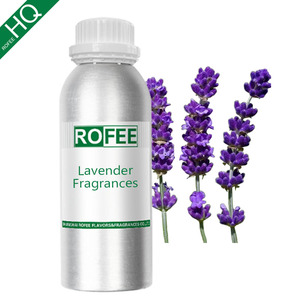
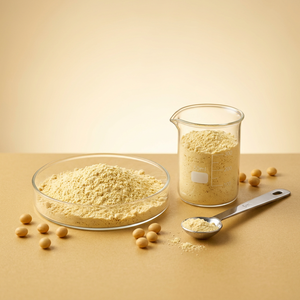
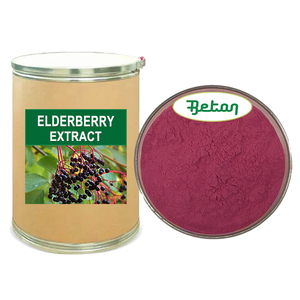
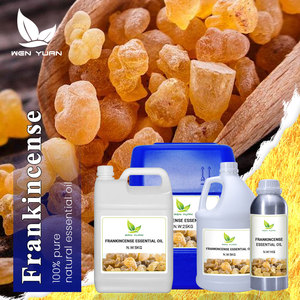
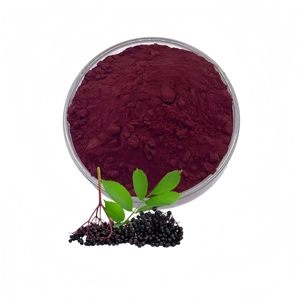
High-performance dermaceutical, nutricosmetic, and functional food systems rarely utilize Hyaluronic Acid in isolation. We manufacture and supply high-purity Sodium Hyaluronate compounded alongside validated botanical co-factors, oligopeptides, and lipophilic essential oils to maximize dermal matrix regeneration, moisture entrapment, and antioxidant cellular defense.

80%+
Global Bulk HA Supply
China's centralized fermentation capacity dominant worldwide
<0.001EU/mg
Ultra-Low Endotoxins
Exceeding European Pharmacopoeia (EP) parenteral specifications
24h
Technical Verification
Rapid CoA dispatch, molecular distribution curves & DMF dossiers
100%
Full Batch Traceability
Non-animal microbial fermentation from strain seed to hermetic drum
Manufacturing Rigor & Global Compliance

Industrial Advantages of Sourcing Directly from Chinese Primary Facilities

Navigating international botanical, polymer, and active pharmaceutical ingredient (API) procurement requires uncompromising regulatory compliance. Our facilities synthesize cutting-edge bioprocess engineering with comprehensive analytical testing to guarantee cross-border customs velocity and frictionless audit clearance.

GMP & ISO 9001 / 22000 Infrastructure

Engineered within cleanroom environments operating under stringent cGMP standards. Equipped with computerized automated fermentation tanks, ceramic membrane filtration towers, and closed-loop spray-drying systems ensuring total microbial containment.

100% Comprehensive Batch CoAs

Every shipment arrives with lot-specific analytical certificates. Validated assays include Glucuronic Acid concentration via Carbazole assay, molecular weight distribution via GPC-MALLS, protein impurities via Bradford assay, and bioburden limits.

ICP-MS Heavy Metal & ETO Screening

Purity testing audited down to parts-per-billion (ppb). ICP-MS quantifies Lead (Pb), Cadmium (Cd), Mercury (Hg), and Arsenic (As). Certified zero Ethylene Oxide (ETO) usage and solvent residue profiles complying with USP <467> and EP guidelines.

24-Hour Technical & Regulatory Response

Our regulatory desk directly coordinates technical dossiers, providing Drug Master Files (DMF), Certificates of Suitability (CEP), USDA Organic statements, Halal, Kosher, and non-GMO documentation to your QA team within one business day.

B2B Procurement Whitepaper

Hyaluronic Acid (Sodium Hyaluronate) Industrial Synthesis: Molecular Engineering, Fermentation Metrics, and Quality Assurance

Chemical CAS: 9067-32-7 (Sodium Salt) / 9004-61-9 (Free Acid) Empirical Formula: (C14H20NNaO11)n Monograph References: EP 11.0, USP-NF 2024, ChP 2020

1. The Industrial Shift: Non-Animal Microbial Fermentation

Historically, commercial Hyaluronic Acid was extracted via enzymatic extraction from animal tissue, primarily avian sources such as rooster combs. While effective for basic biopolymers, animal-derived extraction carries inherent biosecurity vulnerabilities: viral contaminants, cross-species prion transmission risks, severe allergenic avian protein residues, and massive batch-to-batch polydispersity.

Today, the premier tier of Chinese manufacturers employs modern, non-animal microbial submerged fermentation. The dominant industrial platform relies on genetically stable, non-hemolytic strains of Streptococcus zooepidemicus cultivated in glucose, peptone, and yeast-extract broths, alongside recombinant synthetic biological platforms utilizing Bacillus subtilis and Pichia pastoris. Modern fermentation yields high-molecular-weight polysaccharides with consistent tertiary helical structures, ultra-low residual protein indices (<0.1%), and zero transmissible animal pathogens.

"Procurement teams must recognize that molecular weight is not a monolithic specification. Hyaluronic Acid is a linear non-sulfated glycosaminoglycan consisting of repeating disaccharide units of D-glucuronic acid and N-acetyl-D-glucosamine linked by alternating β-(1→4) and β-(1→3) glycosidic bonds. Its physiological behavior is entirely dictated by its Dalton chain length."

2. Molecular Weight Spectrum & Industrial Application Architecture

Targeting specific cosmetic, pharmaceutical, or nutritional efficacy requires rigorous alignment with defined Daltons (Da) or kilodaltons (kDa). A tier-one Chinese manufacturer operates advanced enzymatic cleavage and physical ultrasonic degradation lines to partition the polymer into five specific molecular tiers:

Molecular Category Dalton Range Primary Target Application Functional Mechanism Standard Grade
High Molecular Weight (HMW) 1.8 MDa – 2.5 MDa Ophthalmic Viscosurgical, Anti-wrinkle Film Formers Forms breathable viscoelastic barrier, halts Transepidermal Water Loss (TEWL) Pharma / Eye
Medium Molecular Weight (MMW) 1.0 MDa – 1.6 MDa Topical Hydration Serums, Classical Cosmetics Immediate surface moisture retention, lubricious slip and skin feel Cosmetic
Low Molecular Weight (LMW) 100 kDa – 500 kDa Intra-articular Injections, Deep Dermal Creams Penetrates intercorneocyte spaces, stimulates basal endogenous HA synthesis Medical / Dermal
Mini-HA / Oligo-HA < 10 kDa (3 – 5 kDa) Transdermal Cosmeceuticals, Cell Repair Serums Direct cellular signaling, scavenges free radicals, triggers fibroblast autophagy Cosmeceutical
Ingestion / Oral Grade 500 kDa – 1.2 MDa Nutritional Gummies, Tablets, Functional Drinks Absorbed via intestinal lymphatic pathways, increases systemic tissue hydration Food / Nutraceutical

3. Pharmacopeia Compliance & Analytical Testing Protocols

Global procurement directors vetting Chinese primary producers must establish unambiguous analytical protocols on their procurement orders. A Certificate of Analysis (CoA) must not merely state "passes test"; it must confirm the precise chromatographic method employed:

Assay of Sodium Hyaluronate: Quantified via Glucuronic Acid determination using UV-Vis spectrophotometry following the carbazole-sulfuric acid reaction, or precise high-performance liquid chromatography (HPLC) with refractive index detection. Target specification must fall within 95.0% – 105.0% on the dried basis.

Intrinsic Viscosity ([η]): Measured using an Ubbelohde capillary viscometer at 25°C ± 0.1°C in a 0.15 M sodium chloride solution. Intrinsic viscosity correlates directly with molecular weight; deviations indicate shear degradation during downstream spray drying or milling.

Bacterial Endotoxin Management: Crucial for parenteral, ophthalmic, and intra-articular grades. Endotoxins are lipopolysaccharides (LPS) derived from the outer cell wall of gram-negative bacteria. Testing is conducted via photometric or chromogenic Limulus Amebocyte Lysate (LAL) assays. While cosmetic grade generally tolerates higher microbial counts (<100 CFU/g), injection grade mandates endotoxin levels rigorously restricted to <0.05 IU/mg, with specialized ophthalmic grades controlled below <0.001 IU/mg.

Market Horizon & Strategic Sourcing

Future Procurement Trends in Hyaluronic Acid & Bio-Polymers

The global bio-fermentation landscape is experiencing systemic technological evolution. Brands, formulators, and supply chain directors must anticipate these five macro sourcing trends shaping supplier qualification through 2030.

Procurement Execution Framework

The 6-Point Raw Material Verification Protocol for Incoming HA Lots

To prevent costly batch rejections and formulation instability, global procurement teams must mandate the following six testing criteria within their vendor quality agreements:

Verification Check Standard Acceptance Threshold Standard Testing Methodology Failure Risk Impact
Glucuronic Acid Purity ≥ 46.0% (Equiv. to ≥ 97.0% Sodium Hyaluronate) Carbazole Colorimetric / HPLC Under-potent product, formulation efficacy deficit
Optical Clarity / Transmittance ≥ 99.0% (at 550 nm, 0.5% water solution) UV-Vis Spectrophotometry Hazy serums, particulate contamination, consumer rejection
Heavy Metal Complex Pb < 0.5 ppm, As < 0.2 ppm, Cd < 0.1 ppm, Hg < 0.1 ppm Inductively Coupled Plasma Mass Spectrometry (ICP-MS) Regulatory seizure by US FDA or EU border authorities
Residual Protein < 0.1% (Cosmetic) / < 0.05% (Pharma Injectable) Bradford / Lowry Assay Immunogenic flare-ups, customer dermal sensitization
Loss on Drying ≤ 10.0% (Karl Fischer / Thermogravimetric) 105°C Constant Weight Chamber Microbial proliferation, caking, hydrolytic chain cleavage
Total Bioburden < 100 CFU/g (TAMC/TYMC), Zero E. coli / P. aeruginosa Membrane Filtration Microbial Plating Contamination of finished formulation, preservative failure
Industrial Inquiries

Frequently Asked Questions for Global Bulk Buyers

Authoritative answers to the most common technical, logistical, and compliance questions asked by international brand procurement directors, formulation chemists, and supply chain managers.

Q1: Why is China the dominant manufacturing hub for bulk Hyaluronic Acid?

China produces over 80% of the world's commercial Sodium Hyaluronate. Concentrated largely in Shandong province, this industrial dominance is driven by advanced submerged fermentation bioprocessing, access to high-purity agricultural fermentation feedstocks (corn glucose), complete vertical integration of upstream enzyme production, and vast chemical engineering economies of scale that provide unmatched batch uniformity and cost efficiencies.

Q2: What is the shelf life and optimal storage condition for bulk HA powder?

Unopened bulk Sodium Hyaluronate powder has a standard shelf life of 24 to 36 months from the date of manufacture. Because the polymer is intensely hygroscopic, it must be stored in its original double-lined polyethylene moisture-barrier drums in a cool (2°C to 10°C for pharma-grade; below 25°C for cosmetic grade), dark, and dry environment. High humidity and elevated temperatures induce spontaneous hydrolytic degradation of glycosidic linkages.

Q3: Can low-molecular-weight HA penetrate the skin, and does it cause inflammation?

Yes. Oligo-HA and Low-MW HA (specifically fractions between 3 kDa and 50 kDa) can transit across the stratum corneum via trans-appendageal and paracellular channels. However, formulators must ensure ultra-high purity. While early biological studies suggested low-MW HA could trigger toll-like receptors (TLR-2 and TLR-4) associated with inflammation, clinical investigations have proved that inflammatory responses were actually caused by bacterial endotoxins and residual exotoxin impurities present in poorly purified batches, rather than the pure hyaluronan molecule itself.

Q4: What is the standard Minimum Order Quantity (MOQ) for international bulk export?

Standard commercial MOQs start at 1 kg for trial research batches and 25 kg (standard fiber drums with tamper-evident hermetic seals) for commercial production runs. For custom molecular weight distributions, specialized mesh sizes, or injection-grade ultra-low endotoxin specifications, custom batch fermentation campaigns typically require minimums of 50 kg to 100 kg.

Q5: How do you verify molecular weight consistency from batch to batch?

We employ Gel Permeation Chromatography coupled with Multi-Angle Laser Light Scattering (GPC-MALLS) or size-exclusion chromatography (SEC). This absolute molecular weight determination method calculates both the weight-average molecular weight (Mw), number-average molecular weight (Mn), and the polydispersity index (Mw/Mn). A tight polydispersity index (<1.4) confirms that the polymer chains are exceptionally uniform.

Q6: What documentation accompanies each international export consignment?

Every shipment includes an authorized lot Certificate of Analysis (CoA), full 16-section Safety Data Sheet (SDS/MSDS) compliant with REACH / GHS, Certificate of Origin (COO), Non-Animal / BSE-TSE Free Statement, Non-GMO Declaration, Allergen Statement, and packaging packing list with airway/ocean bill of lading. For medical and pharmaceutical orders, Drug Master File (DMF) letters of access are available.

Q7: How does Oral Grade Sodium Hyaluronate survive gastric acid digestion?

Clinical pharmacokinetic research demonstrates that high-MW Sodium Hyaluronate resists gastric acid hydrolysis in the stomach. Upon reaching the small intestine and colon, resident gut microbiota degrade the polymer into low-molecular-weight oligosaccharides. These are actively absorbed via intestinal epithelial lymphatic pathways and transported systemically to dermal and synovial fibroblast cells, upregulating endogenous hyaluronan synthases (HAS2).

Q8: What is the difference between Sodium Hyaluronate and Cross-linked Hyaluronic Acid?

Sodium Hyaluronate is a linear uncrosslinked polymer that dissolves freely in water, offering high viscosity but rapid enzymatic clearance in vivo (half-life of 24–48 hours). Cross-linked Hyaluronic Acid (often produced using 1,4-butanediol diglycidyl ether / BDDE or divinyl sulfone / DVS) chemically bridges hyaluronan chains into a three-dimensional insoluble viscoelastic hydrogel. This hydrogel resists enzymatic cleavage by hyaluronidase, extending in vivo dermal residence up to 6 to 18 months for medical dermal fillers.

Q9: How is heavy metal testing handled to meet European and California Proposition 65 limits?

All production runs undergo Inductively Coupled Plasma Mass Spectrometry (ICP-MS) multi-element analysis at accredited ISO 17025 laboratories. Testing validates that lead (Pb < 0.5 ppm), arsenic (As < 0.2 ppm), cadmium (Cd < 0.1 ppm), and mercury (Hg < 0.1 ppm) operate well below the stringent thresholds demanded by European Regulation (EU) 2023/915 and California Proposition 65 safe harbor limits.

Q10: What packaging formats are used to prevent moisture absorption during transit?

Bulk powder is vacuum-sealed into dual-layer food/pharma grade virgin polyethylene bags with internal silica desiccant pouches. These bags are secured with tamper-evident mechanical zip closures and placed inside fiber drums or hermetic HDPE drums. Ocean freight consignments include pallet-wide vacuum stretch wrap with desiccant blankets to protect against marine atmospheric humidity.

Direct Primary Bioreactor Supply · No Intermediaries

Accelerate Your Commercial Polymer Supply Chain

Connect directly with our senior fermentation engineers and export compliance specialists. Whether formulating a next-generation topical 5D anti-aging serum, an intra-articular medical device, or clean-label nutricosmetic beverages, we deliver calibrated specifications, batch documentation, and factory-direct commercial terms within 24 hours.

Pre-shipment analytical samples Batch-specific GPC & HPLC CoAs European & US FDA import-cleared
Get a Quote