Direct supply line from certified cGMP, ISO, and FSSAI-compliant manufacturing facilities. Batch-tested with comprehensive Certificate of Analysis (CoA) documentation.
The global natural aroma chemical and functional cosmetic landscape demands unprecedented rigor in phytochemical standardization, supply-chain validation, and regulatory compliance. As one of the world's most versatile volatile plant derivatives, true lavender oil (predominantly Lavandula angustifolia Mill., alongside related hybrid cultivars such as Lavandula hybrida or Lavandin) represents a cornerstone for luxury perfumery, pharmaceutical-grade dermatological solutions, and aromatherapy formulations.
Navigating the procurement ecosystem across major global production centers—ranging from the high-altitude terrains of China’s Yili Valley (Xinjiang) to the established agro-botanical hubs in Maharashtra and global partner facilities—requires an acute awareness of botanical authenticity versus economic adulteration. For global supply chain directors, contract manufacturing organizations (CMOs), and procurement heads, verifying authenticity goes far beyond straightforward olfactory assessments. It mandates precise chromatographic assaying, chiral purity checks, strict residual solvent thresholds, and destination-specific compliance documents.
Industrial lavender essential oil obtained through sustainable steam distillation of freshly harvested flowering tops exhibits an intricate chemical fingerprint characterized by dozens of monoterpenes, sesquiterpenes, and aliphatic esters. The core therapeutic and olfactory value resides within the synergy between linalool and linalyl acetate, which collectively should account for 55% to 75% of the total chromatographic profile in premium-grade oils.
A prevalent challenge confronting global buyers is the dilution of natural lavender oil with synthetic linalool (derived from petrochemical routes or alpha-pinene synthesis) or lavandin oil (rich in camphor and 1,8-cineole). Our export consortium counters fraudulent batches via state-of-the-art Enantioselective Chiral Gas Chromatography (Chiral GC-MS) and Isotope Ratio Mass Spectrometry (IRMS). Authentic Lavandula angustifolia naturally exhibits a distinct enantiomeric distribution where (3R)-(-)-linalool and (3R)-(-)-linalyl acetate maintain high enantiomeric excess (typically >90% and >95% respectively). Departures from these ratios reliably indicate reconstituted or spiked essential oil lots.
| Phytochemical Constituent | Standard True Lavender (ISO 3515 / Ph. Eur.) | Typical Lavandin Grosso (ISO 8902) | Analytical Verification Method |
|---|---|---|---|
| Linalyl Acetate | 25.0% – 46.0% | 28.0% – 38.0% | Chiral Capillary GC-FID / GC-MS |
| Linalool | 20.0% – 45.0% | 24.0% – 35.0% | Enantioselective Capillary GC-MS |
| Camphor | < 0.6% (Ideal < 0.5%) | 6.0% – 8.5% | GC-FID (Marker for Lavandin adulteration) |
| 1,8-Cineole (Eucalyptol) | < 2.5% (Traces) | 4.0% – 7.0% | Capillary Column GC-MS |
| Lavandulyl Acetate | > 2.0% (Characteristic marker) | 1.5% – 3.0% | High-Resolution Gas Chromatography |
| Terpinen-4-ol | 1.2% – 6.0% | 0.2% – 1.0% | GC-MS Screening |
Forecasting macro changes in agro-climatic conditions, international customs enforcement, and environmental regulations shaping essential oil sourcing.
B2B enterprise buyers are transitioning from single-origin dependencies in Mediterranean regions toward resilient multicentric procurement networks spanning China, Central Asia, and India to insulate inventory against severe localized climate disruptions and drought cycles.
Regulatory authorities in North America (under FDA FSMA & FSVP) and the EU (Regulation EC 396/2005) have implemented intense non-tariff controls regarding Ethylene Oxide (ETO), cross-contaminant phthalates, and pyrrolizidine alkaloid cross-contamination, requiring direct-to-farm supply chain documentation.
With IFRA (International Fragrance Association) restricting maximum dermal contact levels for specific oxidized terpenes, international cosmetics brands increasingly require specialized vacuum molecular distillation to isolate low-peroxide, allergen-standardized lavender fractions.
Lavender essential oil is moving far beyond conventional ambient aromatics. Recent functional pharmacology and advanced cosmetic engineering demonstrate significant integration across diverse high-value categories:
Within nutraceutical and oral supplement sectors, lavender oil is encapsulated using beta-cyclodextrin complexes and gastro-resistant softgels (parallel to Silexan standards) for targeted enteric release. This approach eliminates volatile stomach reflux, allowing anxiolytic active principles to absorb efficiently in the lower digestive tract. Sourcing standardized raw oil with absolute freedom from halogenated hydrocarbon residues is a mandatory prerequisite for this application.
Clean-label personal care developers are formulating lavender oil within Solid Lipid Nanoparticles (SLN) and Nanostructured Lipid Carriers (NLC). These platforms preserve the bioactive linalool and linalyl acetate from oxidative breakdown while increasing transdermal permeation for restorative, anti-inflammatory, and anti-acne skincare formulations.
Thanks to its potent broad-spectrum antifungal and insect-repellent properties, bulk food-grade lavender oil and related hydrosols are increasingly utilized as natural post-harvest protective sprays for organic grain storage and fruit preservation, replacing synthetic carbamates and synthetic fungicides.
Our collaborative export infrastructure unites direct agricultural harvesting operations with advanced downstream refining. Designed to streamline vendor qualification audits for international QA directors, our operations provide clear structural advantages:
Processing lines comply strictly with current Good Manufacturing Practices (cGMP), ISO 9001, and ISO 22000 standards. Fully documented cleanrooms, steam boilers, and sanitary stainless steel 316L stills prevent heavy metal leaching.
Every dispatch lot undergoes full analytical clearance via Agilent GC-MS/FID, HPLC, and ICP-MS testing (screening lead, arsenic, mercury, and cadmium to sub-ppb detection limits) prior to pre-shipment signoff.
Backed by official Indian regulatory registrations—including Central FSSAI License 11526999001161, DGFT Importer-Exporter Code (IEC) ABUCS7891K, and APEDA oversight—we furnish destination-specific dossiers, SDS under GHS, USDA Organic, Halal, and Kosher certifications.
Direct technical guidance on assay validation, minimum order volumes, transport safety, and regulatory compliance.
We deploy dual-column Gas Chromatography-Flame Ionization Detection (GC-FID) coupled with Mass Spectrometry (GC-MS) for absolute peak identification of all monoterpenes and sesquiterpenes. Furthermore, we monitor specific marker ratios (such as linalool to linalyl acetate, camphor thresholds below 0.6%, and chiral enantiomer validation of (3R)-(-)-linalool). Every production drum is directly tied to source field batch logs and accompanied by an authenticated Certificate of Analysis.
Our standard starting MOQ is 25 kg for specialty extracts and pure essential oils, scaling flexibly to multi-metric ton container orders. Standard export packaging comprises fluorinated HDPE containers (1 kg, 5 kg, 25 kg) or UN-approved epoxy-phenolic lined steel drums (190 kg - 200 kg net weight) blanketed under inert nitrogen gas to prevent peroxide generation during maritime transit.
Yes. Consignments intended for the European Union, the United States, and Japan undergo rigorous third-party accredited laboratory screening. We test against comprehensive multi-residue pesticide screens compliant with Regulation (EC) No 396/2005, verify freedom from ETO / 2-chloroethanol residues (<0.05 mg/kg), and test heavy metals via ICP-MS strictly within USP and Ph. Eur. maximum limits.
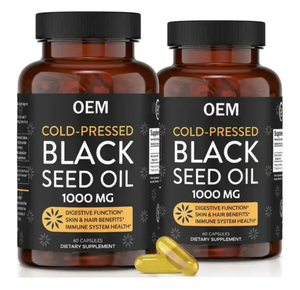
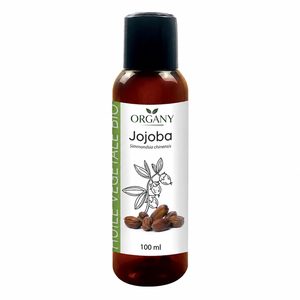
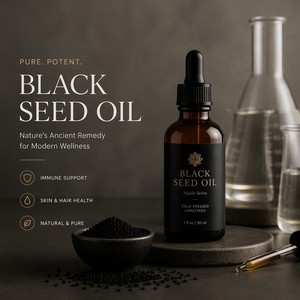
Yes. Through fractional vacuum re-distillation, we can selectively extract specific thermal fractions to deliver customized specifications—such as low-camphor grades (<0.2%) for pediatric or cosmetic use, or standardized aroma chemical fractions. We provide turnkey private label blending, custom concentration carrier dilutions (such as organic golden jojoba or cold-pressed virgin black seed oil), and complete retail-ready bottling.
Standard catalog inventories and verified lots are dispatched within 7 to 14 business days from technical order confirmation. For custom fractional distillations, dedicated private label bottling runs, or third-party accredited pre-shipment quarantine validation, lead times typically range between 2 to 3 weeks, accompanied by freight coordination from origin ports directly to your designated receiving warehouse.