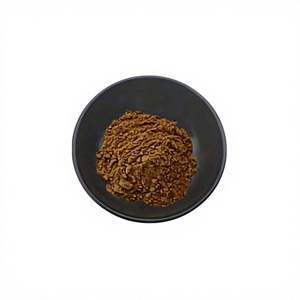
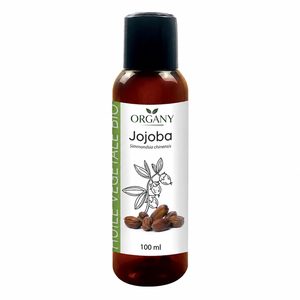
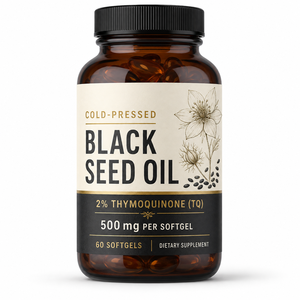
Direct factory supply chain featuring multi-category standardized herbal extracts, active oleoresins, functional mushrooms, and cold-pressed lipids developed under cGMP quality management.
An authoritative reference on Piperine (CAS 94-62-2), evaluating mechanism of action, thermonutrient absorption, residual solvent parameters, and high-purity crystalline specifications.
Piperine (1-piperoylpiperidine) exerts a dual bio-enhancing effect. It inhibits UDP-glucuronyltransferase in intestinal enterocytes and suppresses P-glycoprotein (P-gp) efflux pumps. In addition, it stimulates brush-border digestive enzymes and local vasodilation, elevating cellular permeability to fat-soluble compounds.
The co-administration of Piperine 95% Powder with standardized Curcuminoids is clinically demonstrated to boost curcumin bioavailability by up to 2000% (20-fold). Piperine interrupts phase-II hepatic and intestinal glucuronidation, preserving parent polyphenols in systemic circulation for optimal therapeutic window activity.
Our crystalline Piperine is extracted exclusively via food-grade hydro-ethanolic crystallization or green supercritical carbon dioxide processing. The production route eliminates chlorinated solvent residues (Methylene Chloride <0.1 ppm), ensuring compliance with strict USP/EP residual solvent monographs (Class 3 limit <5000 ppm).
| Analytical Parameter | USP / FCC Reference Limit | In-House Standard (China Best) | Methodology |
|---|---|---|---|
| Piperine Assay (Dry Basis) | ≥ 95.0% | ≥ 98.0% Typical Batch Standard | HPLC (Reversed Phase) |
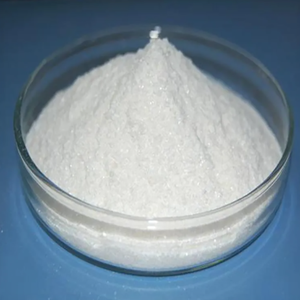
| Physical Appearance | Light Yellow Crystalline Powder | Off-White to Light Cream Crystal | Visual & Organoleptic |
| Melting Range | 128.0°C – 132.0°C | 129.5°C – 131.5°C | Capillary Melting Apparatus |
| Loss on Drying | ≤ 1.0% | ≤ 0.5% | Vacuum Desiccation (105°C) |
| Total Heavy Metals (Pb, As, Cd, Hg) | ≤ 10.0 ppm | ≤ 3.0 ppm (ICP-MS Validated) | ICP-MS (USP <232>/<233>) |
| Ethylene Oxide (ETO) & 2-CE | < 0.05 mg/kg (EU Reg 2019/1793) | Not Detected (<0.01 mg/kg) | GC-MS Screening Panel |
Global supply chain intelligence and formulation technology shifts reshaping Piperine active pharmaceutical and nutraceutical raw material sourcing over the next decade.
Traditional raw piperine demonstrates pungent mucosal irritation and low aqueous solubility. Procurement demand is transitioning quickly toward liposomal, beadlet, and cyclodextrin-complexed piperine to mask bitterness, reduce gastric irritation, and enhance absorption dynamics in liquid ready-to-drink functional beverages and gummies.
The enforcement of Regulation (EC) 2019/1793 regarding increased official border checks has heightened scrutiny over ethylene oxide residues in botanical imports. Tier-1 brands are auditing manufacturing facilities for automated super-critical sterilization, transitioning away from chemical fumigants to protect regulatory brand equity.
Climate events in Southeast Asia and South Asia have led to acute raw black pepper price volatility. Strategic enterprise procurement teams are securing direct contracts with vertically integrated Chinese extraction hubs with dual-source raw piper nigrum access, mitigating price surges through multi-metric annual forward contracts.
Combining advanced multi-stage extraction engineering with comprehensive compliance documentation to deliver uncompromised chemical purity for Fortune 500 formulators.
Operating dedicated cleanrooms with annual piperine production capacity exceeding 120 metric tons. Continuous closed-loop extraction infrastructure ensures batch-to-batch homogeneity, tight particle size consistency, and zero cross-contamination risk.
Every delivered batch includes complete technical dossiers: HPLC Chromatograms, Residual Solvents Testing (USP <467>), ICP-MS Heavy Metal Reports, Non-GMO Statements, Allergen Declarations, Halal/Kosher Certifications, and continuous FDA FSVP support documentation.
We maintain constant safety stocks with flexible shipping incoterms (FOB, CIF, DDP) and temperature-controlled air freight capabilities. Rapid customs clearance procedures ensure samples arrive within 3-5 days and production containers within 2-3 weeks.
Clear, science-driven answers to technical, analytical, and supply chain questions encountered during supplier qualification.
We recommend high-performance liquid chromatography (RP-HPLC) utilizing a C18 column (typically 250 mm × 4.6 mm, 5 µm), with a mobile phase of methanol/water or acetonitrile/water/acetic acid, monitored at 343 nm. UV-Vis spectrophotometric methods should be avoided for precise verification, as they can capture other piperidine alkaloids, yielding false elevated readings.
At typical inclusion rates (5 mg to 10 mg per unit dose), Piperine's crystalline matrix shows neutral compressibility. However, because of its distinct lipophilicity and low melting point (~130°C), friction heating during rapid tableting must be controlled. For direct compression blends, we supply micronized (80-mesh to 120-mesh) powder grades to maintain uniform blend dispersion without phase segregation.
Piperine crystals undergo photo-isomerization into inactive isopiperine and chavicine isomers when exposed to UV light. We package bulk orders in double-layered, food-grade polyethylene interior bags, hermetically sealed within UV-impermeable aluminum foil vacuum barrier pouches, and cased in heavy-duty 25 kg fiberboard drums.
Yes. In addition to our standard crystal format, we offer in-house cryogenic milling to deliver tailored d90 particle distributions ranging from 80-mesh to 200-mesh. This optimizes dissolution velocity and uniform blend distribution when pairing Piperine with active micronutrients such as Curcumin, Resveratrol, or CoQ10.
Partner directly with China's dedicated cGMP Piperine 95% manufacturing specialist. Request comprehensive technical dossiers, batch chromatograms, regulatory paperwork, and complimentary pre-shipment validation samples today.
Inquire Now