

Contract OEM / ODM
Precision-extracted, HPLC-verified raw materials and contract-manufactured finished dosage formats engineered for global brand compliance, certified purity, and maximum bioavailability.
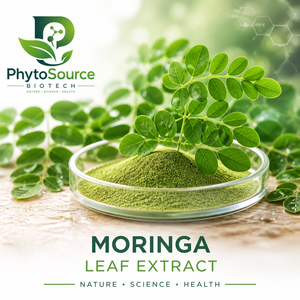
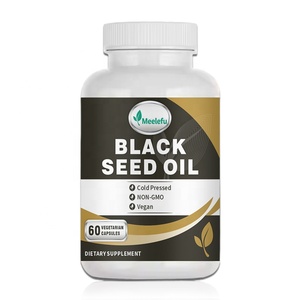
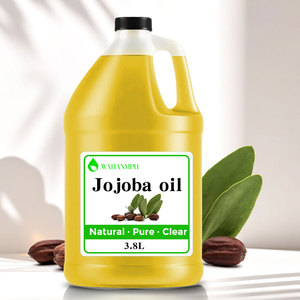

Analyzing chromatographic markers, enantiomeric purity, and modern industrial steam fractionation in China's leading botanical processing infrastructure.
Procuring authentic Tea Tree Oil (Melaleuca alternifolia) at metric-ton scale requires rigorous adherence to the international standard ISO 4730 / European Pharmacopoeia (Ph. Eur.) monographs. Modern Chinese manufacturing plants have established advanced high-vacuum fractional distillation towers and super-critical fluid extraction (SFE-CO2) facilities designed to isolate terpinen-4-ol concentrations upwards of 38% to 45%, while maintaining the skin-irritant 1,8-cineole safely below 3% to 5%. In conjunction with an extensive upstream agricultural supply chain, industrial distillation centers in southern agricultural corridors deliver high-purity natural mono- and sesquiterpene blends that seamlessly integrate into dermal pharmaceutics, therapeutic personal care, clean-label disinfectants, and specialized agrochemical green solvents.
| Active Chemical Marker | Standard Commercial Grade | Ph. Eur. / ISO 4730 Standard | Analytical Assay Method | Function & Pharmacological Value |
|---|---|---|---|---|
| Terpinen-4-ol | 35.0% – 38.0% | > 35.0% (Typically 39% - 44%) | Chiral GC-MS / GC-FID | Primary broad-spectrum antimicrobial and anti-inflammatory agent |
| 1,8-Cineole (Eucalyptol) | < 10.0% | < 5.0% (Premium < 2.5%) | Gas Chromatography (GC) | Permeation enhancer; kept low to minimize dermal sensitization |
| γ-Terpinene | 14.0% – 28.0% | 10.0% – 28.0% | GC-FID Normalization | Antioxidant synergist and preservative stabilizing component |
| α-Terpinene | 6.0% – 12.0% | 5.0% – 13.0% | Capillary GC System | Natural bactericidal volatile monoterpene |
| p-Cymene | 0.5% – 8.0% | 0.5% – 8.0% (Ideal < 2.0%) | Internal Standard GC-MS | Degradation biomarker indicating age and oxidation status |
Exporting botanical oils to North America and the European Union requires validation under Regulation (EC) No 396/2005. Chinese factories utilize triple-quadrupole GC-MS/MS systems to confirm the absence of organophosphates, organochlorines, and pyrethroid residues at levels down to parts-per-billion (ppb).
Adulteration with synthetic terpinen-4-ol or lower-cost pine oil derivatives is systematically prevented. Using chiral capillary columns, enantiomer ratios (+/-)-terpinen-4-ol and (+/-)-alpha-terpineol are measured to establish 100% natural botanical pedigree without chemical tampering.
Exposure to light and oxygen generates allergenic peroxides and converts terpinenes into elevated p-cymene. Continuous monitoring of Peroxide Value (PV < 5 meq O2/kg) and inert nitrogen-purged drum filling protocols ensure pristine stability throughout ocean transit.
How international regulatory tightening, green chemistry advancements, and supply chain vertical integration are reshaping the global Tea Tree Oil procurement ecosystem through 2030.
Global pharmaceutical and cosmetics formulators are pivoting toward vendors who unify multiple botanical families under unified Quality Agreements. Sourcing essential oils, carrier lipids (Jojoba, Rosehip, Black Seed), and adaptogenic extracts through a single audit eliminates duplicated qualification costs.
Dermal safety regulations in the EU and Japan have reduced acceptable thresholds for sensitizing compounds. High-efficiency fractionation enables the removal of harsh monoterpene heads, providing customized grades optimized for sensitive facial serums and clinical acne formulations.
Stringent EU border rejections have forced botanical importers to demand accredited third-party validation for Ethylene Oxide (ETO), 2-chloroethanol, and Polycyclic Aromatic Hydrocarbons (PAHs). Advanced steam-heat sanitization guarantees contamination-free delivery without synthetic chemical gases.
Procurement teams no longer accept generalized generic specification sheets. B2B contracts now require batch-specific Certificates of Analysis (CoA) containing individual GC-FID chromatograms, refractive index readings, optical rotation values, and precise heavy-metal ICP-MS quantifications.
Built upon strict cGMP manufacturing disciplines, comprehensive farm-to-freight traceability, and full export compliance for North America, Europe, and Asia-Pacific.
We eliminate friction for incoming QA and regulatory teams. Every bulk order is backed by a complete compliance dossier: Safety Data Sheets (SDS), Technical Data Sheets (TDS), allergen declarations, non-GMO verifications, and phytosanitary certificates issued under international standards.
Every commercial batch is screened using high-resolution Gas Chromatography (GC-MS), High-Performance Liquid Chromatography (HPLC), and Inductively Coupled Plasma Mass Spectrometry (ICP-MS) to guarantee compliance with USP, EP, and FDA limits for lead, mercury, cadmium, and arsenic.
Beyond raw distillates and bulk drums (25 kg to 180 kg steel/HDPE), our cGMP-certified facilities formulate private-label dietary supplements, softgels, functional tablets, and custom-blended skincare topical solutions complete with tamper-evident secondary packaging.
Direct technical answers addressing assay protocols, regulatory compliance, testing thresholds, and logistics for international purchasers and formulation chemists.
Our standard pure Tea Tree Oil (Melaleuca alternifolia) consistently contains a minimum of 38.0% to 42.0% terpinen-4-ol, well above the ISO 4730 requirement of > 35%. Custom fractions with elevated concentrations up to 45% are available upon request for concentrated topical formulations.
1,8-Cineole is a powerful penetrant that can provoke skin irritation or erythema in sensitive individuals. We employ precise vacuum fractional distillation to ensure that 1,8-cineole levels do not exceed 3.0% to 5.0%, with our premium low-cineole cosmetic cuts held strictly below 2.5%.
We perform chiral Gas Chromatography (GC-MS) analysis on every production run. Synthetic adulterants and pine oil derivatives fail the natural enantiomer ratio tests for (+)-terpinen-4-ol and (-)-terpinen-4-ol. We provide the full raw chromatogram along with peak retention tables with every shipment.
Each shipment is dispatched with a verified Certificate of Analysis (CoA), Safety Data Sheet (SDS/MSDS) compliant with GHS, Technical Data Sheet (TDS), Certificate of Origin, Phytosanitary Certificate, and accredited third-party test reports for heavy metals (ICP-MS), pesticide MRLs, and microbials.
Our baseline MOQ for raw essential and carrier oils begins at 25 kg in fluorinated HDPE canisters or epoxy-lined aluminum containers. Commercial bulk volumes are supplied in 180 kg to 200 kg UN-certified galvanized steel drums, purged with food-grade nitrogen to halt oxidative degradation during transit.
Yes. For applications in functional beverages, clear toners, and water-based disinfectant sprays, we produce water-dispersible and nano-emulsified liquid systems that solubilize seamlessly in aqueous bases without phase separation or clouding.
We routinely dispatch 50g to 250g laboratory pre-shipment samples accompanied by lot-specific CoAs. This enables your internal QC, analytical, and R&D teams to cross-validate marker assays, optical rotation, and refractive index parameters before releasing full purchase orders.
All packaging involves complete nitrogen blanketing to displace atmospheric oxygen. We rigorously monitor initial Peroxide Values (PV < 5.0 meq/kg) and employ light-blocking packaging. Temperature-controlled refrigerated reefer containers are deployed for long-haul maritime routes to prevent thermal decomposition.
Submit your specification brief including required marker percentages, assay standards, destination compliance requirements, and delivery timeline. Our technical export desk delivers validated documentation within 24 hours.
Send an Inquiry