
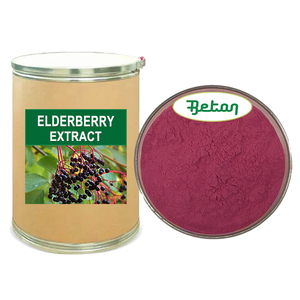
Pharmacopeial-grade raw botanicals, cold-pressed therapeutic oils, and functional bio-actives ready for high-yield nutraceutical and cosmeceutical processing.
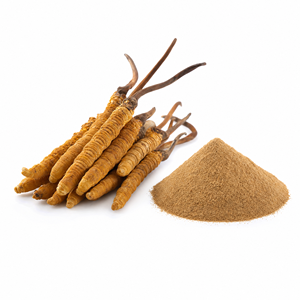
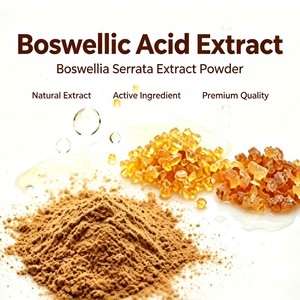
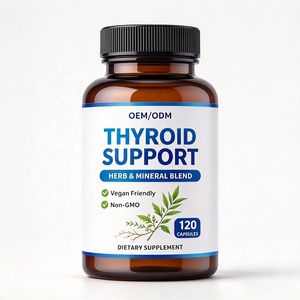
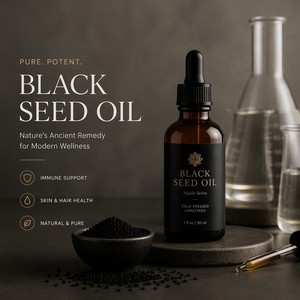
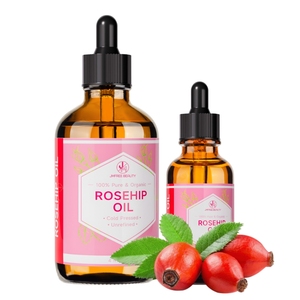
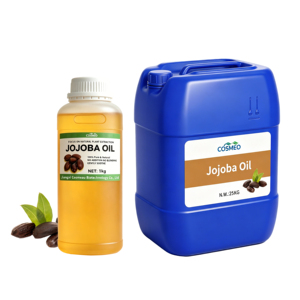
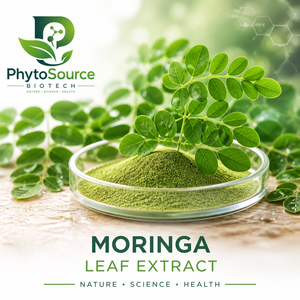
As a preeminent China Best Wholesale Essential Oils Manufacturer & Factory, our infrastructure addresses a systemic bottleneck in worldwide sourcing: lot-to-lot volatility caused by unstandardized harvesting, solvent contamination, and non-linear distillation dynamics. Modern cosmetic chemists and pharmaceutical engineers require pure lipid matrixes and volatile botanical profiles that do not fluctuate during clinical or consumer scale-up.
E-E-A-T Sourcing Principle: Natural oils and plant extracts are living biological cocktails. The difference between an inferior bulk oil and an export-grade active ingredient lies in the precision control of thermolabile volatiles and the total exclusion of synthetic petrochemical solvents throughout the processing journey.
Our extraction facilities combine closed-circuit low-temperature fractional steam distillation for delicate monoterpenes with hydraulic, low-shear expeller presses for lipid carriers such as Virgin Nigella Sativa (Black Seed), Golden Simmondsia Chinensis (Jojoba), and Rosa Canina (Rosehip). By sustaining temperature boundaries below 45°C during expelling, we prevent oxidative rancidity, maintaining exceptionally low peroxide values (PV < 5.0 meq O2/kg) and negligible free fatty acid (FFA) metrics from factory gate to international port.
Engineered to mitigate import risks, pass European Border Inspection Posts (BIP), and meet strict US FDA FSVP supplier-verification audits.
Every drum and IBC tote is accompanied by batch-specific gas chromatography-mass spectrometry (GC-MS) or HPLC analytical reports. Our validation methods state specific column parameters and analytical assay techniques directly on the documentation, aligning with pharmacopeial baselines.
In strict adherence to Regulation (EC) No 396/2005 and Implementing Regulation (EU) 2019/1793, all export consignments undergo third-party multi-residue pesticide screening, heavy-metal ICP-MS checks (Pb, Cd, Hg, As), and Ethylene Oxide (ETO/2-chloroethanol) decontamination verification.
By establishing contract-cultivation partnerships across specialized climatic belts, SV Botanica controls origin variables from non-GMO seeds to harvest moisture levels. This vertical integration stabilizes wholesale price margins and guarantees seasonal continuity for multi-year contract manufacturing.
We eliminate custom bottlenecks through proactive delivery of Technical Data Sheets (TDS), Safety Data Sheets (SDS per GHS standards), Allergen Declarations, Non-Irradiation statements, and Certificate of Origin documents within 24 hours of technical review.
State-of-the-art cleanrooms (Class 100,000 for dry extracts, pharmaceutical-grade hygienic stainless steel pipelines for liquid oils) ensure absolute protection against cross-contamination, pyrogens, and unwanted microbial development across every processing run.
From custom cold-blend botanical oils with optimized viscosity for high-speed filling lines to microencapsulated, water-dispersible botanical powders for functional drinks, our chemical engineers deliver end-to-end custom contract processing from pilot tests to commercial freight.
B2B ingredient procurement is undergoing a fundamental structural transition. Brands are rapidly shifting away from conventional open-market brokers toward verified, direct-from-factory partnerships. Sourcing directors should calibrate their long-term supply pipelines against four critical macro developments:
With volatile oil syntheses becoming increasingly advanced, conventional gas chromatography often fails to detect nature-identical synthetic adulterants (e.g., synthetic linalool in lavender or petrochemical thymoquinone in black seed oil). Procurement protocols now demand Carbon-14 (14C) radiocarbon dating and chiral GC-MS analysis to authenticate 100% natural bio-based origin, ensuring that premium clean-label formulations pass regulatory audits in North America and Western Europe.
The traditional dominance of petroleum solvents (such as hexane, acetone, and ethyl acetate) is rapidly eroding. Global consumer demand for non-toxic formulations is pushing cosmetic and dietary supplement brands toward supercritical CO2 fluids and pressurized hydro-ethanolic extraction. Ingredients isolated without hydrocarbon solvents avoid complex residual solvent testing and deliver cleaner consumer packaging disclosures.
Supply chain shocks across key agricultural growing belts are causing acute availability issues. Industrial buyers increasingly favor manufacturers that demonstrate verified agrarian sustainability, transparent farm-to-gate logistics, and localized warehousing capable of buffering seasonal spot shortages without price spikes.
Today’s finished product developers demand botanical raw materials that transcend static sensory appeal. The commercial edge belongs to ingredients engineered for elevated bioavailability and formulation stability:
Critical considerations addressed directly by our analytical QA chemists and international logistics managers.
Connect directly with our technical export engineers. Request full regulatory dossiers, standard reference samples, GC-MS fingerprints, and transparent commercial tier pricing within 24 hours.