Direct factory-manufactured botanical ingredients, verified through chromatographic fingerprinting, low-temperature continuous countercurrent extraction, and strict solvent residue eradication.
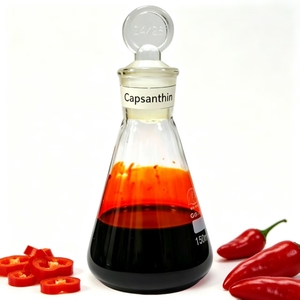
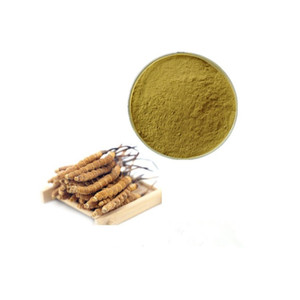
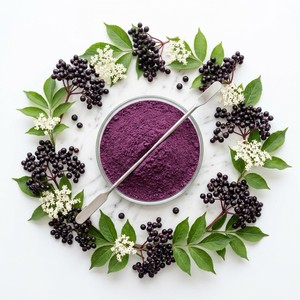
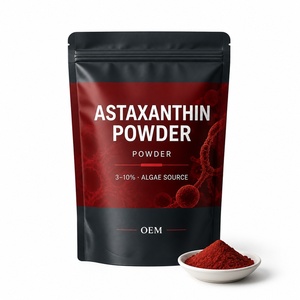
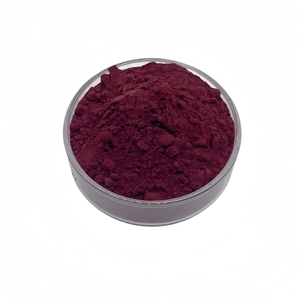
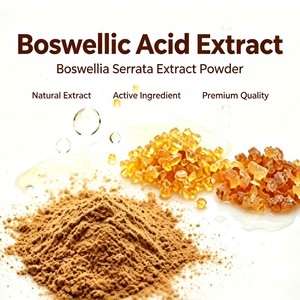
Navigating global botanical procurement requires overcoming analytical discrepancies. Our state-of-the-art laboratory deploys high-performance liquid chromatography (HPLC), inductively coupled plasma mass spectrometry (ICP-MS), and gas chromatography-tandem mass spectrometry (GC-MS/MS) to eradicate commercial adulteration and assure cross-border regulatory compliance.
| Testing Domain | Instrumentation Standard | International Threshold / Monograph | Risk Elimination Strategy |
|---|---|---|---|
| Phytochemical Marker Quantification | HPLC-DAD / UPLC with Photodiode Array | USP, EP, CP & Ph. Eur. Pharmacopeial Reference | Prevents deceptive UV-Vis overestimation (e.g., distinguishing true 30% AKBA from non-specific triterpenoids; discriminating 25% anthocyanins from synthetic azo dyes). |
| Toxic Heavy Metals Profiling | ICP-MS (Triple Quadrupole Inductively Coupled Plasma) | Regulation (EU) 2023/915, USP <2232>, CA Prop 65 (Pb <0.5ppm, As <1.0ppm, Cd <0.5ppm, Hg <0.1ppm) | Batch-specific screening prevents customs detention at EU Border Inspection Posts (BIP) and protects private-label brands against toxic tort claims. |
| Pesticide Multi-Residue Panels | LC-MS/MS & GC-MS/MS (510+ Active Compounds) | Regulation (EC) No 396/2005 & USP <561> Complete Residue Specifications | Ensures botanical leaves, roots, and oleoresin raw materials are compliant with organic transition and conventional non-detect MRL baselines. |
| Sterilization Control (ETO & 2-CE) | GC-MS Headspace Analysis for Volatile Halogenated Organics | Commission Implementing Regulation (EU) 2019/1793 (Sum of ETO + 2-Chloroethanol < 0.05 mg/kg) | Completely eliminates Ethylene Oxide treatments. Uses proprietary low-temperature saturated steam de-contamination preventing toxic mutagen residues. |
| Botanical Authenticity & Genetic ID | HPTLC Fingerprinting & PCR-based DNA Barcoding | American Herbal Pharmacopoeia (AHP) & ISO 17025 Certified Reference Standard | Safeguards against species adulteration (e.g., verifying Sambucus nigra vs. dwarf elder Sambucus ebulus; authentic Cordyceps mycelia strain specificity). |
In botanical commerce, stating a percentage without defining the analytical assay mechanism is the single largest catalyst for incoming batch rejection. For instance, testing Boswellia serrata via non-specific acid-base titration will frequently produce a reading of >65% total organic acids by counting inert resinous triterpenes, whereas selective reverse-phase HPLC may establish true bioactive 11-keto-β-boswellic acid (AKBA) content at precisely 30%. Similarly, evaluating Elderberry Anthocyanins through broad-spectrum spectrophotometric UV absorption measures background tannins and color degradation pigments, yielding artificially inflated values compared to chromatographic peak separation. As an audited primary extraction manufacturer, we calibrate every Certificate of Analysis (CoA) strictly to validated HPLC or LC-MS chromatographic conditions with matched reference standards.
Operating from modern cGMP-certified industrial extraction plants in China, our integrated facility processes over 12,000 metric tons of raw agricultural biomass annually, transforming natural botanicals into specialized functional powders, granular compacts, and supercritical lipophilic oleoresins.
Our continuous dynamic multi-stage countercurrent extraction cascades preserve heat-sensitive active flavonoids, glycosides, and polyphenols. Closed-loop ethanol and water cycling prevents oxidation while minimizing thermal stress.
Converting poorly bioavailable carotenoids (such as pure Astaxanthin) and viscous resins into instantly dispersible, stable free-flowing powders. Advanced beadlet matrix embedding prevents oxidative degradation from light and ambient oxygen.
All pulverizing, air classifying, blending, and drum filling processes occur inside pharmaceutical-grade clean zones with positive-pressure HEPA filtration, eliminating microbial cross-contamination and controlling powder moisture sorption.
The international phytopharmaceutical and nutraceutical ingredient sectors are undergoing structural regulatory shifts. Sourcing directors must anticipate three strategic trends driving procurement across the US, European, and Asian supply chains over the 2025–2030 horizon.
Consumer resistance to maltodextrin, silicon dioxide, and synthetic excipients has pressured brands to demand high-potency, native plant extracts with zero processing aids. Factory innovation focuses on specialized vacuum agglomeration to yield free-flowing bulk powders without synthetic binders or flow lubricants.
Stringent limits on petroleum-derived aliphatic hydrocarbons (such as hexane and ethyl acetate) are transitioning the industry toward supercritical carbon dioxide (scCO₂) extraction and subcritical water processing. This guarantees absolute compliance with EU Directive 2009/32/EC on extraction solvents and eliminates residual solvent liabilities.
US FDA FSMA rules and European Corporate Sustainability Due Diligence Directive (CSDDD) necessitate indisputable agricultural provenance. Our export consignments link production batches directly to GAP-certified contract farming cooperatives, tracking planting location, soil testing, and harvesting dates via transparent digital batch dossiers.
From technical formulation validation to streamlined customs clearance, our comprehensive export program is designed to protect your manufacturing schedule, margin requirements, and regulatory reputation.
Every consignment ships with full CoA, Allergen Declaration, Non-GMO Statement, SDS, BSE/TSE Certificate, and Process Flow Charts ready for immediate QA validation.
Direct access to technical formulation chemists and export logistics directors. Receive comprehensive specification sheets, lead times, and regulatory advice within 24 hours.
Direct factory pricing with zero intermediary brokers. Primary production scale buffers global supply shocks and guarantees long-term price and inventory stability.
Temperature-controlled air freight, bonded warehousing, DDP customs clearance handling, and specialized moisture-barrier packaging tailored for overseas transits.
Detailed answers addressing regulatory compliance, assay verification, batch-to-batch reproducibility, and shipping logistics.
We employ HPLC anthocyanin fingerprinting and high-performance thin-layer chromatography (HPTLC) against pharmacopeial botanical reference standards. Adulteration with black rice extract or mulberry adds unnatural cyanidin-3-glucoside ratios that are immediately detected during chromatographic elution. Furthermore, our pure extracts carry verified spectrophotometric and HPLC active ratios without undeclared maltodextrin carriers.
Our standard commercial MOQ for catalog botanical extracts is 25 kg, packed in fiber drums with food-grade double-layer polyethylene inner liner bags and nitrogen flush if oxygen-sensitive. For custom extractions, microencapsulation projects, or tailored mesh requirements, trial production runs generally begin at 100 kg to 500 kg depending on machine vessel occupancy.
Yes. We do not use Ethylene Oxide (ETO) or methyl bromide at any phase of harvesting, drying, extraction, or post-milling. We implement high-pressure low-temperature steam sterilization systems. Every European export consignment is pre-tested via GC-MS/MS for the sum of ethylene oxide and 2-chloroethanol, guaranteeing levels below the Limit of Quantification (<0.05 mg/kg).
Titration calculates total acid groups, capturing not only therapeutic keto-boswellic acids but also inactive organic resin components. This can create false confidence in formulation potency. HPLC specifically separates and isolates Acetyl-11-Keto-β-Boswellic Acid (AKBA), the primary anti-inflammatory driver. We provide both 65% total titrimetric powder and HPLC-standardized 30% AKBA to match your specific label claims.
Color values are measured spectrophotometrically at 460 nm in acetone according to EOA/ASTA methods. To prevent carotenoid breakdown, our Paprika Oleoresins are extracted under low-temperature vacuum and can be blended with non-GMO mixed tocopherols (Vitamin E) or rosemary extract upon client request, followed by cold storage under an inert gas blanket.
We provide a complete FSVP Qualified Supplier Packet: HACCP and Hazard Analysis sheets, annual third-party cGMP audit certificates, water analysis tests, environmental pathogen monitoring reports, pest control logs, allergen cross-contamination management SOPs, and lot-traceable recall procedures.
Yes. In addition to conventional 80-mesh fine powders, our facility features high-shear granulators and roller compactor lines. We can supply direct-compression (DC) grade granules with controlled bulk density (0.45–0.70 g/ml) and narrow particle size distributions for direct capsule loading or high-speed rotary tablet presses.
Standard inventory items (such as Elderberry, Paprika Oleoresin, Boswellia, and Astaxanthin powders) ship within 7–10 business days following purchase order confirmation. Custom harvest extractions, specialty mesh processing, or third-party accredited pre-shipment lab validations (e.g., Eurofins/SGS) dispatch within 2 to 3 weeks.
