Precision-extracted botanical actives, standardized oleoresins, and therapeutic single-origin oils manufactured under certified cGMP facilities and documented with full batch Certificate of Analysis (CoA).
An authoritative analysis of botanical chromatography, quassinoid extraction dynamics, chemical fingerprinting, and international trade compliance.
Historically, the procurement of Eurycoma longifolia (commonly known as Tongkat Ali or Malaysian Ginseng) centered predominantly around raw, wild-harvested roots transported directly from equatorial primary forests in Malaysia, Indonesia, and Thailand. However, over the past decade, the rapid proliferation of dietary supplements, functional sports drinks, and nootropic vitality blends in North America, Europe, and Northeast Asia created an insurmountable operational bottleneck: raw material heterogeneity, volatile active compound profiles, and the recurrent presence of environmental heavy metals.
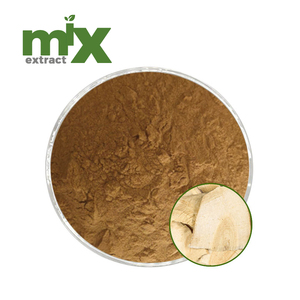
Today, China has firmly established itself as the world's preeminent refinement center and advanced processing nexus for Tongkat Ali extracts. While indigenous Southeast Asian harvesting cooperatives supply sustainable raw root materials through bilateral traceability corridors, it is within China's state-of-the-art cGMP phyto-extraction facilities that raw botanical biomass is converted into clinically standardized, pharmacopoeial-grade active pharmaceutical ingredients (APIs) and premium nutraceutical powders. By deploying continuous countercurrent multi-stage extraction, supercritical CO₂ purification, low-temperature vacuum membrane concentration, and high-efficiency spray drying towers, Chinese manufacturers eliminate thermal degradation of delicate bio-active compounds while ensuring batch-to-batch chemical uniformity impossible to achieve through rudimentary on-site extraction.
For strategic procurement directors and formulators, sourcing from established Chinese suppliers mitigates key supply chain vulnerabilities. It brings pharmaceutical-grade traceability, ISO/IEC 17025 accredited laboratory testing panels, stringent ethylene oxide (ETO) absence assurances, and compliance with the tightest international maximum residue limits (MRLs) into a unified, consolidated vendor contract.
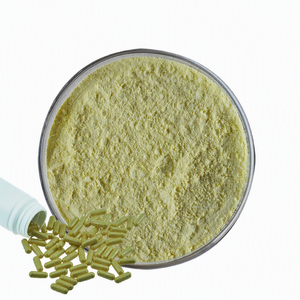
The primary therapeutic quassinoid biomarker. Top Chinese extractors standardize Eurycomanone via calibrated HPLC-DAD down to precise tolerances (0.5%, 1.0%, 2.0%, up to 10.0%), moving far beyond unreliable extract ratios.
Complete elimination of non-polar neurotoxic industrial solvents. Advanced facilities utilize hydro-ethanolic extraction cascades followed by high-vacuum evaporation to ensure negligible residual organic solvents.
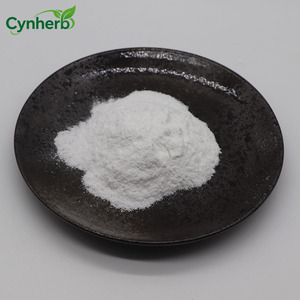
Engineered for seamless encapsulation, tableting, or functional beverage dissolution. Micro-milled to 80-100 mesh with controlled particle density to prevent machine clogging and uneven capsule fills.
Understanding the critical differentiation between ambiguous concentrated dry ratios and chemically validated active quassinoid profiles.
| Analytical Parameter | Conventional Ratio Extract (100:1 / 200:1) | Pharmacopoeial HPLC Standardized Extract | Procurement & Formulation Impact |
|---|---|---|---|
| Primary Bio-Marker (Eurycomanone) | Unquantified or undetectable (often <0.05%) | Strictly standardized (0.5% – 10.0% by HPLC) | Ensures predictable physiological response and customer retention. |
| Testing Method Verification | TLC (Thin Layer Chromatography) or weight loss | HPLC-DAD / LC-MS with certified reference standards | Passes incoming pharmaceutical QC; prevents FDA 483 inspection citations. |
| Adulteration Vulnerability | High risk of maltodextrin spiking or unverified root dust | Complete phytochemical fingerprint profile | Protects brand reputation against lab expose or class action litigation. |
| Heavy Metal Profiles (ICP-MS) | Variable, often exceeding European Pharmacopoeia limits | Pb <0.5ppm, Cd <0.5ppm, As <1.0ppm, Hg <0.1ppm | Mandatory compliance for US California Prop 65 & EU Reg 2023/915. |
| Organoleptic Bitterness Profile | Mild, inconsistent or masked by fillers | Intensely, characteristically bitter (quassinoid marker) | Authenticity marker recognizable by experienced R&D herbalists. |
| Formulation Solubility | High sediment, poor dispersion in water | Controlled water-dispersible or 100% instant-soluble | Crucial for ready-to-drink (RTD) cans, stick packs, and effervescent tabs. |
Strategic foresight for global brand managers, R&D directors, and institutional ingredient buyers navigating the next evolution of botanical medicine.
Modern sports and healthy-aging formulations no longer view Tongkat Ali in isolation. Sourcing managers are increasingly formulating multi-ingredient synergies:
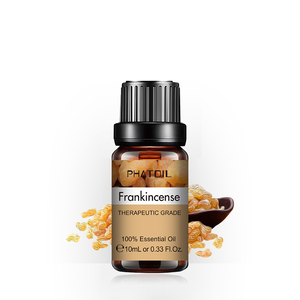
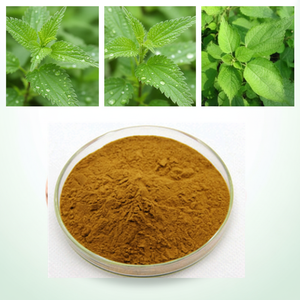
Combining Tongkat Ali with Boswellia Serrata (65% Boswellic Acid) for joint mobility, Piper Methysticum Kava for cortisol attenuation, and Nettle Leaf Extract to competitively displace bound testosterone from Sex Hormone-Binding Globulin (SHBG).
Consumer aversion to maltodextrin, magnesium stearate, and synthetic flow agents is mandating direct-compressible botanical powders.
Chinese manufacturers are leading the charge by perfecting roller-compaction dry granulation and utilizing natural acacia prebiotic gum or pea fiber as clean carriers, allowing pure "100% active botanical" consumer label declarations.
Regulatory scrutiny over ethylene oxide (ETO) and 2-chloroethanol residues at European Union border control posts has caused massive lot rejections of Asian botanicals.
Premium Chinese processors have completely upgraded to validated super-heated steam sterilization or controlled gamma-irradiation protocols that reduce total plate counts to <1,000 CFU/g with non-detectable ETO residues.
Mitigating botanical substitution risk. With raw root stock pricing fluctuating, unscrupulous middle-tier traders often substitute Eurycoma longifolia with Polyalthia bullata or Stemonurus secundiflorus.
Top-tier Chinese manufacturers now integrate internal genomic testing (ITS2 and rbcL gene sequencing) alongside chemical fingerprinting to verify true species identity.
Delivering end-to-end peace of mind for multinational pharmaceutical, dietary supplement, and food ingredient conglomerates.
Our extraction lines operate strictly within Class 100,000 cleanrooms under cGMP and ISO 22000 certification, eliminating cross-contamination during milling, sieving, and vacuum packing.
Every single production batch undergoes rigorous multi-point analytical testing. From active quassinoids to trace pesticide screening (GC-MS/MS) and heavy metals (ICP-MS), CoAs are verified on-site.
We supply complete documentation packages tailored to your jurisdiction: Technical Data Sheets (TDS), Safety Data Sheets (SDS), TSE/BSE Statements, Non-GMO Declarations, Halal, and Kosher certifications.
Whether your application requires high-speed rotary tablet compressibility, fine instant solubility for functional RTD beverages, or micro-granulated blends, our engineers tailor the physical parameters to order.
With strategic warehousing near international transport hubs (Shanghai, Qingdao, Ningbo), we offer air and sea freight coordination, export customs clearance, and DDP consignment options worldwide.
Speak directly with analytical phytochemists and process engineers rather than commission-only sales agents. We assist in HPLC peak deconvolution, method transfer, and incoming QC matching.
Direct, technical answers addressing the critical legal, regulatory, and quality hurdles in importing Tongkat Ali extracts from China.
We employ a three-tier authentication matrix: First, botanical macroscopical and microscopical verification of source root wood. Second, HPTLC chromatographic fingerprinting matching the reference standards of the pharmacopoeia. Third, targeted DNA barcoding sequence validation to guarantee absence of Polyalthia bullata.
Ratio claims (like 100:1 or 200:1) denote dry biomass starting weight to final yield, but lack any standardized scientific method to prove active biomarker preservation. Unscrupulous suppliers frequently boil inert woody cellulose and slap on an arbitrary ratio. In contrast, HPLC quantitatively measures the exact percentage of bio-active Eurycomanone (e.g., 1.0% or 2.0%), ensuring reproducible pharmacological efficacy.
Yes. We never apply ethylene oxide (ETO) gas for sterilization. For EU consignments subject to Regulation (EU) 2019/1793 controls, batches are processed via high-pressure thermal steam or low-heat validated irradiation. Certified accredited third-party test reports (Eurofins / SGS) documenting non-detectable ETO and 2-chloroethanol (<0.05 mg/kg) are provided prior to shipping.
Our standard commercial MOQ for standardized Tongkat Ali extract powder starts at 25 kg, packaged in double food-grade polyethylene inner liner bags sealed inside airtight fiber drums. For pilot trial formulations and bench R&D validation, sample test packs of 1 kg to 5 kg can be released under specific evaluation protocols.
We operate two dedicated manufacturing processes: 100% pure aqueous (pure deionized water extraction) for clean water-soluble beverage applications, and hydro-ethanolic (food-grade water and USP grain ethanol) for maximum quassinoid and glycopeptide yields. We strictly prohibit benzene, methanol, or chlorinated solvent systems.
Because Eurycoma longifolia is a deep tap-root tree that bio-accumulates minerals from acidic rainforest soils, heavy metal testing is paramount. Every raw batch is screened before processing, and finished extracts undergo ICP-MS testing guaranteeing total heavy metals <10 ppm, with Lead strictly <0.5 ppm to easily comply with stringent California Proposition 65 thresholds.
Yes. We provide representative pre-shipment samples (PSS) accompanied by the actual lot Certificate of Analysis (CoA). Once your QC laboratory signs off on identity, assay, and purity, the exact audited lot number is quarantined and reserved in our climate-controlled warehouse for dispatch.
Standard inventory specifications (such as 1% and 2% Eurycomanone HPLC powder) are stocked continuously and dispatch within 5 to 7 business days from order confirmation. Custom standardizations (e.g., customized particle sizing, specific ratio extracts, or blended active premixes) carry an average lead time of 2 to 3 weeks for full manufacturing and complete micro clearance testing.
Initiate a dialogue directly with our technical application team. Request comprehensive batch documentation, validated HPLC chromatograms, or commercial bulk price quotes tailored to your exact manufacturing volume.