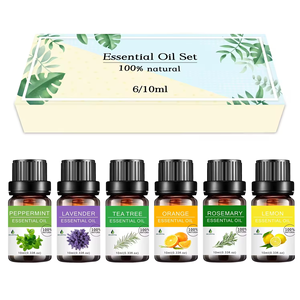
Direct factory-level supply engineered for supplement brand owners, clean-label food formulators, and advanced cosmeceutical developers.
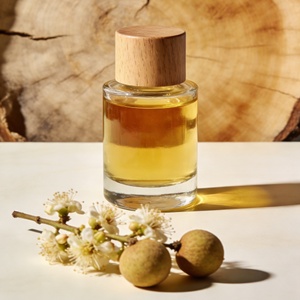
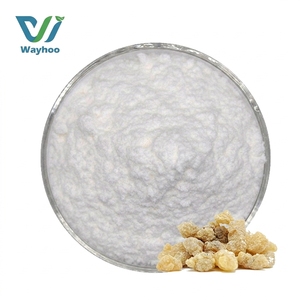
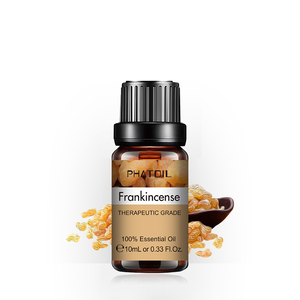
An analytical overview of processing technologies, validation paradigms, and commercial risks in scaling international botanical supply lines.
The global sourcing landscape for Moringa oleifera and concentrated phytochemicals is shifting rapidly away from coarse, unstandardised agricultural powders toward water-soluble, clean-label, bio-active fractions. Procurement directors within the nutraceutical and functional beverage sectors now demand higher physiological utility, leading to three key macro-trends:
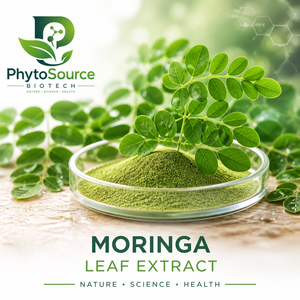
Historically considered a regional nutritional hedge against malnutrition, Moringa oleifera has transitioned into a premier functional superfood active. The confluence of chromatographic standardization and green chemistry has expanded its application matrix:
High-performance moringa peptides and purified lipid fractions neutralize free radicals, suppress pro-inflammatory cytokines (TNF-α, IL-6), and protect dermal fibroblasts from UVA-induced photoaging.
Standardised chlorogenic acid and moringinine isomers demonstrate competitive α-glucosidase and α-amylase inhibitory actions, opening integration into glycemic control and weight management nutraceutical lines.
Moringa leaves furnish an optimal complete amino acid score (PDCAAS), containing all nine essential amino acids. Mechanical air-classification technology concentrates plant proteins up to 45% without harsh chemical solvents.
Reference parameters for procurement validation, incoming QC protocols, and finished dosage formulation.
| Analytical Parameter | Conventional Air-Dried Moringa Leaf Powder | Spray-Dried Hydro-Soluble Moringa Extract | Testing Methodology |
|---|---|---|---|
| Assay Marker Content | Natural variation (crude polyphenols 2–4%) | 10.0% – 20.0% Saponins / 5% Flavonoids | HPLC / Gravimetric |
| Water Solubility | Insoluble (forms colloidal sediment) | > 98% Clear dispersion, cold-water soluble | Gravimetric Dissolution |
| Mesh Particle Size | 60 – 100 Mesh | 80 – 200 Fine Mesh | Laser Diffraction (Malvern) |
| Lead (Pb) & Cadmium (Cd) | Pb < 3.0 ppm, Cd < 1.0 ppm | Pb < 1.0 ppm, Cd < 0.5 ppm | ICP-MS (USP <233>) |
| Microbiological Profile | Total Plate Count < 50,000 CFU/g | Total Plate Count < 1,000 CFU/g (Irradiation-Free) | USP <2021> / <2022> |
| Pesticide Multi-Residue | Variable agricultural risk | Compliant with EU Reg (EC) 396/2005 | GC-MS/MS & LC-MS/MS (500+ Panel) |
Engineered quality assurance, transparent documentation, and global supply stability derived from audited, registered operations.
Operating multiple 6,000L continuous dynamic counter-current extraction tanks, continuous low-temperature vacuum concentrators, and spray-drying towers engineered to prevent active phytochemical thermal shearing.
Complete testing battery including Shimadzu HPLC-DAD, Agilent GC-MS, and PerkinElmer ICP-MS. Every lot is assayed for active compounds, residual solvents (USP <467>), and heavy metals before batch release.
Full regulatory documentation supplied: comprehensive batch Certificate of Analysis (CoA), Technical Data Sheets (TDS), Safety Data Sheets (SDS), Non-GMO, Allergen Statements, and US FDA FSVP support declarations.
Complete provenance traceability back to registered agricultural plantations. Standardised GAP (Good Agricultural Practices) ensure non-detectable levels of targeted pesticides, aflatoxins, and unapproved processing chemicals.
Direct answers addressing technical hurdles, assay alignments, and importation requirements for international B2B buyers.
Every commercial batch earmarked for European entry undergoes strict pre-dispatch multi-residue pesticide screens covering over 500 active chemicals by accredited third-party laboratories (Eurofins or SGS). We operate validated thermal steam sterilisation systems, completely avoiding ethylene oxide (ETO) and 2-chloroethanol treatment to satisfy Implementing Regulation (EU) 2019/1793.
UV-Vis spectrophotometric methods are prone to measuring non-specific chromophore absorbance, routinely over-quantifying phenolic or flavonoid content by detecting related organic compounds. High-Performance Liquid Chromatography (HPLC) separates and measures precise, individual bioactive compounds against verified reference standards. We explicitly stipulate the analytical method on each CoA to prevent specifications mismatch during incoming lab testing.
Standard catalog items (such as 80-mesh powder or standard water-soluble extract) carry a minimum order quantity (MOQ) of 25 kg, sealed in food-grade polyethylene liners inside fiberboard drums. Custom ultra-fine particle milling (down to 200 mesh) or tailored standardisation ratios require a 100 kg to 500 kg batch run, with dispatch times typically ranging between 10 and 21 business days.
Yes, USDA Organic and EU Organic certifications are available alongside Kosher and Halal compliances upon request. We verify identity through botanical origin tracing, morphological checks, and thin-layer chromatography (TLC/HPTLC) fingerprinting against pharmacopoeial reference samples to confirm 100% pure Moringa oleifera without leaf adulteration.
Chlorophyll and bio-actives are sensitive to photodegradation and ambient thermal oxidation. Our export packaging features multi-layer vacuum-sealed aluminum composite bags inserted into reinforced fiber drums, supplemented by desiccant canisters and oxygen scavengers to guarantee a 24-month shelf life under dry, ambient storage conditions.
We supply qualified US importers with complete FSVP documentation packages: facility hazard analysis critical control point (HACCP) flows, third-party cGMP certifications, full batch traceability records, allergen statements, process validation logs, and lot-specific CoAs verifying heavy metal and microbiological thresholds.
Request laboratory pilot samples (100g–500g), lot-specific Certificates of Analysis, or discuss custom standardisation targets directly with our technical account managers.