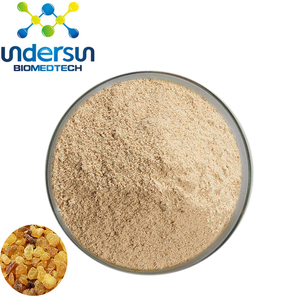
Below are high-demand botanical extracts, pure therapeutic grade essential oils, and functional compounds processed under cGMP, ISO-certified, and FSSAI-regulated standards, pre-screened for US FDA FSVP and European Union border control clearance.
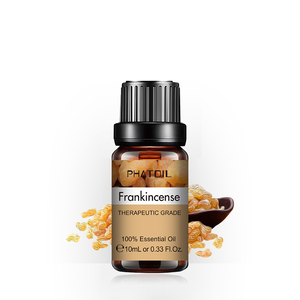
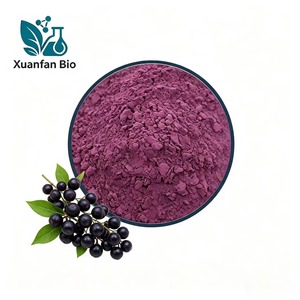
The international marketplace for botanical raw materials and traditional Ayurvedic ingredients has crossed an irreversible inflection point. Historically governed by uncalibrated trade routes, variable seasonal wild-crafting, and basic organoleptic assessments, the sector is now driven by modern analytical bioprocessing, stringent phytopharmaceutical standards, and tightly enforced border control regimes. As multinational dietary supplement brands, functional beverage manufacturers, and certified organic cosmeceutical formulators scale up their formulations, their vendor selection criteria have migrated from simple spot-market pricing to multi-tiered scientific validation.
Identifying the Top 10 Ayurvedic Raw Materials Suppliers & Exporters requires looking beyond mere export transaction volumes. A world-class botanical exporter must operate as an integrated phytochemistry and compliance partner. Leading Indian entities distinguish themselves through five foundational operational pillars: Direct Agricultural Cultivation Networks ensuring geographic provenance; c-GMP & ISO-22000 Certified Processing eliminating cross-contamination; Advanced In-House Analytical Platforms including HPLC, HPTLC, and GC-MS; Third-Party Accreditations spanning USDA Organic, EU Organic, Halal, and Kosher; and an uncompromising mastery of International Phytosanitary Legislation (Regulation (EC) No 396/2005 for pesticide residues, Regulation (EU) 2023/915 for heavy metals, and stringent ethylene oxide / 2-chloroethanol controls).
At the forefront of this industrial transformation is SV Botanica, an exporter based in Nashik, Maharashtra—the agricultural hub of India's medicinal plant corridors. Unlike aggregators who trade mixed-origin lots, premier exporters maintain direct farm-level relationships across key bio-climatic zones, from the arid arid plains supplying Withania somnifera (Ashwagandha) to the salubrious Western Ghats yielding bioactive Curcuma longa and wild-harvested oleoresins. By deploying state-of-the-art hydro-ethanolic extraction, low-temperature vacuum evaporation, and spray-drying systems, top exporters guarantee stable phytochemical marker compounds that withstand rigorous incoming inspection across North America, Europe, the United Kingdom, and the Asia-Pacific region.
Strict macroscopic, microscopic, and DNA-barcoded botanical identification to eliminate adulteration with morphologically similar substitute species across all botanical orders.
Every active marker compound—whether Withanolides, Boswellic Acids, Curcuminoids, or Anthocyanins—is quantitatively profiled using verified HPLC/UV assays against primary reference standards.
Provision of exhaustive technical dossiers including full Certificates of Analysis, Safety Data Sheets (SDS), Non-GMO, Allergen statements, and accredited 500+ pesticide panel clearances.
A primary friction point for international B2B procurement specialists is analytical methodology discrepancy. A commercial raw material labeled as "65% Boswellic Acid" or "95% Curcuminoids" can yield wildly discordant test values depending on the chosen assay protocol. High-precision European and US supplement brands routinely audit the methodology stated on the Certificate of Analysis (CoA), demanding clarity between non-specific non-chromatographic titration/gravimetric assays versus high-performance liquid chromatography (HPLC).
To eliminate incoming shipment rejections and streamline supplier qualification programs, the table below delineates the industry's benchmark standardization levels, marker compounds, plant anatomical origins, and validated analytical test methods across premier Ayurvedic raw material lines:
| Botanical & Common Name | Plant Part Harvested | Target Standardisation | Validated Assay Method | Critical Regulatory Checkpoints |
|---|---|---|---|---|
| Boswellia Serrata (Frankincense) | Exudate Gum Resin | 65% to 90% Boswellic Acids; AKBA ≥ 10% | HPLC / High-Resolution Titration | Residual solvent testing; Absence of mastic gum adulteration |
| Withania Somnifera (Ashwagandha) | Dried Primary Roots | 2.5% to 5.0% Total Withanolides | HPLC (USP Monograph Compliant) | Withaferin-A safety limits (< 0.1%); Zero leaf adulteration unless specified |
| Curcuma Longa (Turmeric) | Cured Rhizomes | 95% Total Curcuminoids | Reverse Phase HPLC | 14C Radiocarbon verification (Natural vs. Synthetic Petrochemical Curcumin) |
| Asparagus Racemosus (Shatavari) | Tuberous Roots | 20% to 60% Saponins | Gravimetric / Spectrophotometric | Moisture content ≤ 5.0%; Total ash ≤ 7.0%; Free from heavy metal uptake |
| Sambucus Nigra (Elderberry) | Ripe Berries | 10% to 25% Anthocyanins | HPLC / pH Differential Method | Absence of synthetic food dyes (Amaranth); Microbiological pathogen screen |
| Berberis Aristata (Indian Barberry) | Stem & Bark | 97% Berberine Hydrochloride | HPLC / UV Assay | Alkaloid profiling; Strict screening for ethylene oxide residues |
| Piper Nigrum (Black Pepper) | Dried Berries | 95% to 98% Piperine | HPLC | Bioavailability enhancer; Polycyclic Aromatic Hydrocarbons (PAH) within EU caps |
By articulating the exact analytical standard upfront, procurement teams protect their downstream formulations against label claim deviations, ensuring that every milligram declared on a consumer bottle corresponds to active therapeutic molecules delivered in vivo.
The botanical ingredients industry is undergoing an unprecedented modernization cycle, prompted by three convergence vectors: strict legislative tightening across Western jurisdictions, technological advances in extraction chemistry, and shifting consumer expectations regarding clean-label ethics. International brand holders who align their procurement strategies with these technological and structural evolutions achieve substantial market differentiation and supply chain resilience.
Replacing petroleum-derived solvents (hexane, ethyl acetate) with closed-loop subcritical and supercritical carbon dioxide. Yields zero solvent residues and preserves volatile terpene fractions in Frankincense, Cardamom, and Ginger oils.
Complexing lipophilic botanical actives such as Curcuminoids and Boswellic acids with non-GMO sunflower phospholipids. This micro-encapsulation boosts systemic bioavailability by up to 29-fold over unformulated powders.
Integration of Carbon-14 (14C) accelerator mass spectrometry and Stable Isotope Ratio Analysis (SIRA) to definitively screen out synthetic petrochemical adulterants masquerading as natural botanical compounds.
Transition from erratic forest harvesting to structured contract farming clusters. Full digital ledger traceability tracing harvested roots back to the specific plot, farmer cooperative, harvest moisture conditions, and curing date.
Furthermore, heightened geopolitical focus on supply chain transparency has prompted corporate buyers to abandon the spot market in favor of long-term programmatic sourcing agreements. Forward contracts that define locked-in assay parameters, pre-agreed testing ceilings, and audited ethical compensation frameworks for rural harvesters are fast becoming the gold standard for Fortune 500 nutraceutical enterprises sourcing from India.
Headquartered in Nashik, Maharashtra, SV Botanica operates at the nexus of classical Ayurvedic heritage and contemporary pharmaceutical technology. Our infrastructure addresses the core risk factors confronting overseas manufacturers—eliminating customs border quarantines, batch-to-batch assay degradation, and supply interruptions.
Direct supply contracts across Maharashtra, Madhya Pradesh, Kerala, and Rajasthan. Each raw material lot is tracked by botanical variety, geo-coordinates, harvest cycle, and dehydration method.
Every single batch undergoes testing for Lead, Cadmium, Mercury, and Arsenic down to parts-per-billion (ppb) limits, alongside exhaustive gas chromatography screening for 500+ agrochemical residues.
Strict non-ETO sterilization protocols utilizing clean steam sanitation, validated gamma irradiation upon request, or micro-filtration to preserve raw material biological activity without halogenated residues.
Backed by operational facilities operating under GMP, ISO 9001:2015, ISO 22000:2018, HACCP, FSSAI Central Licensing (No. 11526999001161), APEDA registration, and USDA Organic compliance.
Capabilities spanning ultra-fine jet milling (80 to 120 mesh), customized granulations for direct-compression tableting, non-hygroscopic spray-drying, and oil carrier dispersions.
Full support for overseas compliance filings: US FDA FSVP documentation, Health Canada NPN dossiers, EU Article 14 declarations, phytosanitary declarations, and comprehensive batch CoAs.
Clear, direct answers for QA auditors, sourcing directors, and formulation scientists qualifying Ayurvedic raw material manufacturers and botanical exporters.
Initiate direct communication with our scientific export desk in Nashik. Whether you require pre-shipment evaluation samples, batch CoAs, bespoke extraction standardizations, or long-term commercial volume quotations, our regulatory and technical sales team responds within 24 business hours.
Get a Quote