
HPLC Standardised
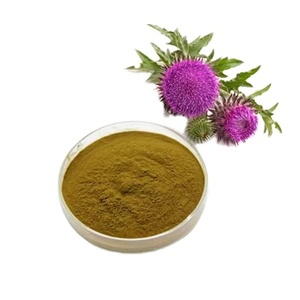
Silymarin 98%
Food Grade
Source high-potency, analytical-grade active ingredients verified via HPLC/UV testing, processed in GMP/ISO-accredited facilities with comprehensive batch release documentation.
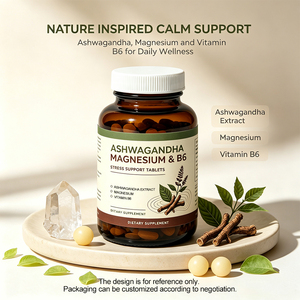
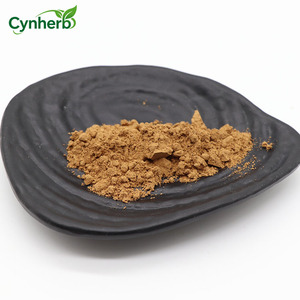
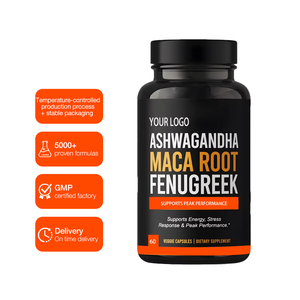
In contemporary nutraceutical and functional beverage formulation, Green Tea Extract (Camellia sinensis) represents one of the most commercially critical botanical derivatives worldwide. Standardised primarily for its bioactive polyphenol fraction—most notably epigallocatechin-3-gallate (EGCG), epicatechin gallate (ECG), epigallocatechin (EGC), and epicatechin (EC)—green tea extract commands widespread application across metabolic support dietary supplements, clean-label antioxidant preservation systems, and active dermato-cosmetics.
For enterprise procurement officers, technical directors, and quality assurance leads, navigating the global supply matrix requires deep technical acumen. Commercial green tea extract powder ranges from basic 50% polyphenols water-soluble extracts to ultra-purified ≥98% EGCG isolates, as well as decaffeinated variants containing less than 0.5% native caffeine. Sourcing challenges center upon marker verification methodologies, solvent residue controls, environmental contaminants, and stringent regulatory thresholds enforced across the European Union and North America.
Based on audited manufacturing infrastructure, chromatographic validation rigor, export compliance documentation, and global supply capacity, the following ten manufacturers represent the pinnacle of industrial botanical extraction:
An export powerhouse specialising in pharmacopoeial standardised herbal extracts, spice oleoresins, and cold-pressed actives. SV Botanica provides end-to-end batch traceability from certified Indian agricultural networks with pre-cleared EU MRL pesticide panels and ETO screening.
One of the world's largest vertically integrated processing enterprises for polyphenol compounds, tea extracts, and natural sweeteners. Known for large-scale continuous counter-current extraction systems and advanced automated refining.
Global innovators in water-soluble functional ingredients, widely recognized for pioneering Sunphenon® green tea extracts. Specialises in proprietary purification processes yielding pure, astringency-masked tea catechins for clinical and food use.
A century-old multinational authority in active botanical ingredients. Pioneers of Phytosome® phospholipid complexation technology, significantly enhancing the oral bioavailability and membrane permeability of poorly absorbed green tea polyphenols.
Global life-science enterprise delivering plant-derived functional solutions. Kemin focuses on shelf-life extension applications, formulating clean-label green tea extracts as natural alternatives to synthetic food antioxidants like BHT and BHA.
World leader in botanical sourcing and processing with expansive supply chain infrastructure. Martin Bauer offers tailor-made green tea extracts engineered for cold-water instant solubility, optimal clarity, and precise sensory profiles for RTD teas.
An industrial extraction specialist operating high-throughput chromatographic separation facilities. Ruiwo Phytochem produces standardised Silymarin, EGCG, and Polyphenol botanical fractions backed by HPLC-verified analytical assays for global nutraceutical brands.
Renowned as one of the world's foremost processors of spice extracts and botanical oleoresins. Synthite harnesses advanced Supercritical Fluid Extraction (SFE-CO2) facilities to deliver solvent-free green tea extracts and bioactive concentrates.
Operating integrated tea plantations in Kenya, Sri Lanka, and China since 1750, Finlays represents the definitive seed-to-shelf tea authority. Produces cold-soluble tea powders, aroma-rich concentrates, and tailored catechin blends.
Specialised manufacturer dedicated exclusively to green tea chemistry and deep-processing derivatives. Offers full-spectrum fractions including pure L-theanine, high-potency EGCG ≥98%, instant tea powders, and decaffeinated polyphenols.
Procurement workflows for botanicals are undergoing systemic structural transformation driven by analytical evolution and international border oversight. B2B buyers must navigate three macro shifts over the coming five years:
Under Commission Regulation (EU) 2022/2340, commercial dietary supplements must not deliver ≥800 mg/day of EGCG due to potential hepatotoxicity risks. Procurement teams are moving toward standardized blends specifying sub-300 mg daily intakes accompanied by strict post-market warnings.
Unformulated catechins suffer from poor gastrointestinal absorption and rapid phase II metabolism. Demand is surging for microencapsulated, phytosome-bound, and cyclodextrin-stabilised complexes that demonstrate superior cellular uptake at reduced active dosages.
Industrial demand is rapidly transitioning away from conventional ethyl acetate or chlorinated organic solvents. Processors using subcritical water extraction, ultrasound-assisted extraction (UAE), and closed-loop supercritical CO2 enjoy preferential qualification among premium clean-label brands.
Research and development pipelines within botanical extraction have evolved significantly beyond basic maceration. Today's commercial differentiation relies on three major engineering frontiers:
De-bittering and Clear Solubility for Functional Beverages: Polyphenolic catechins naturally express intense astringency and bitter bitterness due to proline-rich salivary protein precipitation. Innovative manufacturers utilize proprietary enzymatic treatment (tannase application) and cross-flow resin adsorption to selectively eliminate harsh tannins while preserving the core catechins. This enables crystal-clear, sediment-free RTD iced teas, sparkling waters, and functional energy drinks with neutral organoleptic profiles.
Clean-Label Natural Preservation Systems: As clean-label consumer sentiment eliminates synthetic preservatives (such as sodium benzoate, potassium sorbate, TBHQ, and BHT), high-polyphenol green tea extracts are increasingly custom-engineered as food-grade antioxidant systems. Standardised for lipid hydroperoxide radical scavenge capacity, these specialized grades maintain color stability, prevent lipid peroxidation in processed meats, and prevent rancidity in edible oils without conferring grassy notes.
To prevent specification mismatches between vendor pre-shipment documentation and incoming client laboratory assays, buyers should align with the following validated testing protocols:
| Commercial Grade | Key Marker Standardisation | Analytical Method | Primary Industrial Sector | Critical Quality Threshold |
|---|---|---|---|---|
| Standard Catechin 50% | ≥ 50% Total Polyphenols | UV-Vis (Folin-Ciocalteu) | Functional Food & Beverage | Residue Solvents: Ethanol < 5000 ppm |
| High EGCG 90-95% | ≥ 90.0% Epigallocatechin Gallate | HPLC (Reversed Phase) | Targeted Nutraceutical Capsules | Caffeine ≤ 0.5% (Decaf verification) |
| Pure EGCG Isolate 98% | ≥ 98.0% Active Catechin | HPLC (USP/Ph. Eur. Monograph) | Pharmaceutical / Clinical Grade | Single Unknown Impurity ≤ 0.1% |
| Synergistic Polyphenols 98% | ≥ 98% Polyphenols, ≥ 50% EGCG | HPLC-DAD Quantitative | Premium Dietary Blends | Total Aerobic Microbial < 1,000 cfu/g |
| Oil-Dispersible Decaf | ≥ 30% Catechins in Carrier Oil | HPLC Assay on Separated Phase | Lipid Systems & Softgels | Peroxide Value < 5 meq/kg |
Built upon the rigorous export and testing infrastructure of SV Botanica, our manufacturing and global distribution networks provide ironclad quality dossiers for heavily scrutinized botanical consignments.
Processing partner facilities operate strictly under certified GMP and ISO systems. Consignments are backed by registered FSSAI Central Licences, APEDA registration, and full USDA Organic, Halal, and Kosher certifications on request.
Our quality and regulatory team responds to all formal technical briefs, tender inquiries, and sample requests within 24 business hours—providing actual lot-specific Certificates of Analysis and documentation.
We proactively test every export consignment through ISO 17025 accredited third-party laboratories. Every batch is certified for EU MRL pesticide panels, ethylene oxide (ETO) / 2-chloroethanol, and heavy metals via ICP-MS.
Sourcing directly from cultivated tea belts and botanical growing zones ensures unadulterated botanical identification, seasonal chemical stability, complete raw-material lot traceability, and competitive pricing.
Shipments leave accompanied by complete US FDA FSVP-ready documentation, including Certificates of Analysis with explicit HPLC method parameters, MSDS/SDS, Technical Data Sheets, and Phytosanitary certificates.
Accommodating production runs from small pilot commercial batches (25 kg drum MOQ) up to full container load (FCL) consignments, with support for private labelling, tailored mesh sizing, and bespoke pack formats.
Technical clarity for international sourcing directors, formulation scientists, and QA compliance managers.
UV-Vis spectrophotometry (typically the Folin-Ciocalteu method) is non-specific; it measures all reducing phenolic hydroxyl groups, which often results in artificially inflated percentage values. Reversed-Phase HPLC separates individual catechin compounds chromatographically, offering precise quantification of EGCG and catechins. CoAs must always specify the test method.
Under Implementing Regulation (EU) 2019/1793 and current border controls, botanicals imported into the EU must be tested for the sum of ethylene oxide and 2-chloroethanol. SV Botanica enforces third-party accredited GC-MS/MS testing on every batch destined for EU ports, ensuring residues fall strictly below the Limit of Quantification (0.01–0.05 mg/kg).
In most international dietary supplement and food jurisdictions, green tea extract may only be marketed as "decaffeinated" if the residual caffeine content is quantitatively assayed via HPLC to be less than 0.5% (or in certain specialized beverage applications, under 0.1%). We provide certified decaffeinated grades tested by calibrated chromatographic standards.
Every commercial consignment is released with: (1) Batch Certificate of Analysis stating exact analytical methods, (2) Technical Data Sheet (TDS), (3) Safety Data Sheet (SDS/MSDS according to GHS), (4) Phytosanitary Inspection Certificate, (5) Certificate of Origin, and (6) Non-GMO, BSE/TSE-free, and Allergen declarations.
Heavy metal contamination (Lead, Cadmium, Arsenic, Mercury) is quantified via Inductively Coupled Plasma Mass Spectrometry (ICP-MS). We formulate and source to strictly conform to both Regulation (EU) 2023/915 and USP limits (< 3.0 ppm Pb, < 1.0 ppm Cd, < 1.0 ppm As, < 0.1 ppm Hg), ensuring total compliance with global safety thresholds.
Yes. We routinely dispatch representative 50g–200g lot-specific pre-shipment evaluation samples accompanied by their corresponding laboratory Certificate of Analysis. This allows your internal quality control and formulation development teams to validate organoleptic characteristics, HPLC assay, and dissolution profiles.