What specific chromatographic assay data is detailed on your Certificates of Analysis (CoA)?
Every batch-specific CoA explicitly states the analyte marker, the analytical protocol reference (e.g., USP-NF, Ph. Eur., ChP, or validated in-house HPLC method), detection wavelength, stationary phase column parameters, and reference standards utilized. We reject ambiguous gravimetric or generic UV declarations whenever validated chromatographic markers exist.
How do you certify compliance with European Union Ethylene Oxide (ETO) regulations?
We screen consignments destined for the EU, UK, and North America for Ethylene Oxide and its major degradation product, 2-chloroethanol, in accordance with Regulation (EU) 2019/1793. Testing is conducted using Gas Chromatography-Mass Spectrometry (GC-MS/MS) with a limit of quantification (LOQ) verified at < 0.05 mg/kg or lower.
Can our R&D team receive pre-shipment pilot samples for internal testing?
Yes. We routinely provide 50g–250g working pre-shipment samples taken directly from the commercial mother lot. These samples arrive accompanied by a tentative lot CoA, allowing your formulation, QA, and microbiological teams to independently verify particle size, dissolution, heavy metals, and active assays prior to cargo release.
What are your standard Minimum Order Quantities (MOQ) and production lead times?
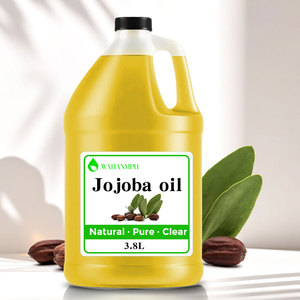
Standard inventory extracts and oils maintain an MOQ starting at 25 kg (shipped in double food-grade polyethylene-lined fibre drums or heavy-duty HDPE containers). Customized mesh sizes, high-potency purifications, or private label softgel formulations typically carry an MOQ of 100 kg to 500 kg. Regular items dispatch within 7–14 days; customized extraction batches require 3–4 weeks.
What documentation is provided to support US FDA Foreign Supplier Verification Program (FSVP)?
For US importers, we supply complete hazard analysis dossiers, critical control point (HACCP) monitoring documentation, environmental monitoring protocols, facility audit certificates (cGMP/ISO), allergen control plans, and third-party annual heavy metal, micro, and residual solvent audit records.
How do you guarantee botanical species authentication and combat adulteration?
Incoming raw botanicals are authenticated using High-Performance Thin-Layer Chromatography (HPTLC) fingerprint comparison against verified pharmacopoeial reference botanicals. When required by custom client specifications, species validation is backed by DNA Sanger sequencing and radiocarbon C14 isotope ratio tests to distinguish natural plant compounds from synthetic equivalents.
Do you accommodate private label custom capsule, softgel, and bottling requirements?
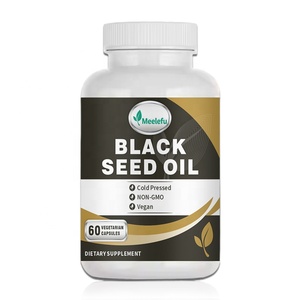
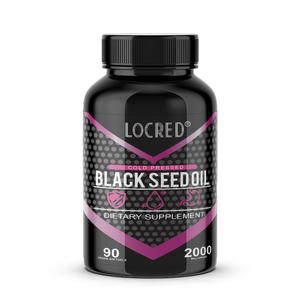
Yes. Beyond supplying raw bulk powders and natural oils, our state-of-the-art contract manufacturing facility supports complete OEM/ODM production, including softgel encapsulation (bovine or vegan tapioca), hard two-piece capsules, tablet compression, nitrogen-flushed liquid bottling, and fully labeled retail-ready blister and bottle packaging.