
HPLC 98% Actives
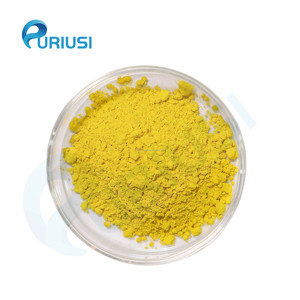
Direct supply from audited Chinese extraction facilities. Standardized active fractions, full batch documentation (CoA), and destination-specific compliance panels (USP/EP pharmacopoeia standards).
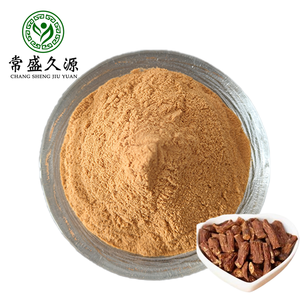
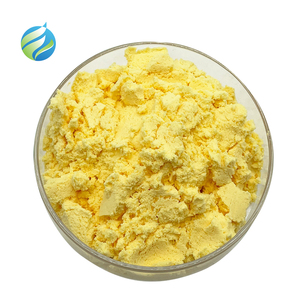
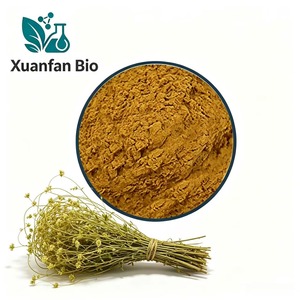
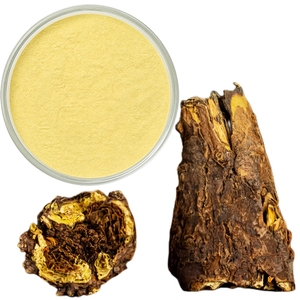
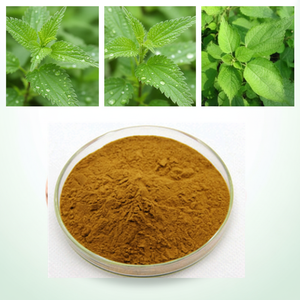
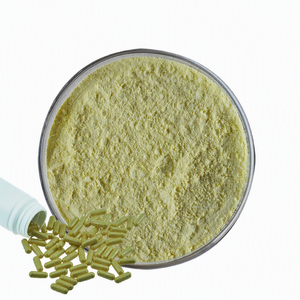
Why Tier-1 dietary supplement brands, nutraceutical formulators, and pharmaceutical cosmetic houses rely on our integrated production networks across China.
Our extraction facilities operate Class D cleanrooms with closed-loop stainless steel extraction columns, continuous low-temperature countercurrent units, and multi-stage spray drying towers that eliminate environmental airborne cross-contamination.
Every commercial production drum undergoes Inductively Coupled Plasma Mass Spectrometry (ICP-MS) screening for Pb, Cd, As, and Hg, fully compliant with USP <232> limits and EU Regulation (EU) 2023/915 standards.
We proactively run multi-residue panels testing over 500 pesticide entities according to EC 396/2005. Furthermore, zero ethylene oxide (ETO) and 2-chloroethanol protocols ensure seamless border clearance across European ports.
We eliminate CoA ambiguities by explicitly identifying analytical methodologies—distinguishing between HPLC, UPLC, UV-Vis, and gravimetric titration. Our documentation dossier includes HPTLC chromatogram finger-printing for identity authentication.
By establishing long-term agricultural cooperatives in native Chinese botanical belts (Shaanxi, Hunan, Sichuan, Yunnan), we secure complete lot-to-farm traceability, consistent active metabolite levels, and natural non-GMO raw stock.
Complete export support spanning destination-specific Phytosanitary Certificates, General Administration of Customs of China (GACC) filing, US FDA FSVP compliance packets, Certificates of Origin, and specialized double-poly nitrogen barrier packaging.
Every commercial batch is validated against rigorous physico-chemical, heavy metal, and microbiological release limits before bill of lading issuance.
| Test Parameter | Standard Pharmacopeial Method | International Specification Limit | Validation Status |
|---|---|---|---|
| Active Marker Assay | HPLC / UPLC / GC (Method Specific) | 98.0% - 102.0% of Label Claim | Mandatory Batch CoA |
| Heavy Metal: Lead (Pb) | ICP-MS (USP <233> / EP 2.4.27) | ≤ 1.0 mg/kg (ppm) / EU 2023/915 Compliant | Batch Release Gate |
| Heavy Metal: Cadmium (Cd) | ICP-MS (USP <233> / EP 2.4.27) | ≤ 0.5 mg/kg (ppm) / EU Threshold | Batch Release Gate |
| Heavy Metal: Arsenic (As) | ICP-MS (USP <233> / EP 2.4.27) | ≤ 1.0 mg/kg (ppm) | Batch Release Gate |
| Residual Solvents (Class 2/3) | GC-Headspace / FID (USP <467>) | Ethanol < 5,000 ppm; Methanol < 3,000 ppm | Validated Process |
| Pesticide Residue Screen | LC-MS/MS & GC-MS/MS Multi-Screen | EC Regulation 396/2005 & USP <561> | EU Compliant |
| Ethylene Oxide (ETO + 2-CE) | GC-MS Screening | Sum < 0.02 mg/kg (LOQ Threshold) | Strict Non-ETO |
| Total Aerobic Microbial Count | USP <2021> / EP 2.6.12 | ≤ 1,000 CFU/g (Dietary Supplement Standard) | Pathogen Negative |
Strategic analysis of consumer sentiment shifts, technological advancements in green chemistry, and evolving global regulatory frameworks reshaping natural product sourcing.
The global transition away from chlorinated hydrocarbons and petrochemical solvents has accelerated the deployment of green processing technologies throughout China's primary extraction clusters:
As regulatory oversight intensifies under the US FDA 21 CFR Part 111 and the European Food Safety Authority (EFSA), brand owners require multi-dimensional identity and purity confirmation:
Nutraceutical and functional beverage brands are shifting procurement away from standard botanical powders toward enhanced functional formulations:
Actionable supply-chain frameworks for Chief Procurement Officers and QA Directors purchasing wholesale botanicals from China.
Agricultural raw material prices fluctuate based on regional climate anomalies, seasonal rainfall variations, and shifting rural labor dynamics. Top-tier global supplement manufacturers mitigate price volatility through forward contract farming agreements.
Securing multi-year supply contracts directly with Chinese processors who control GAP-certified cultivation bases stabilizes cost-per-kilogram structures, prevents mid-season price surges, and reserves primary-grade unadulterated botanical root or leaf stock before open-market spot trading begins.
One of the most frequent commercial friction points between Western QA laboratories and overseas suppliers is assay methodology mismatch. For instance, UV-Vis spectrophotometry regularly overestimates active polyphenol or flavone concentrations by 15–30% because it measures total absorbance across a shared wavelength, capturing structurally related non-target metabolites.
Procurement contracts must stipulate specific chromatographic conditions: specifying stationary phase column chemistry, mobile phase gradients, reference standards (USP/Chromadex), and detection wavelengths (λmax) to ensure inbound release testing mirrors the supplier's Certificate of Analysis identically.
Botanical extract imports into North America and the European Union are categorized under Chapter 13 (Lac; gums, resins and other vegetable saps and extracts) or Chapter 29 (Organic chemicals) depending on purity, solvent status, and standardized chemical modification.
Misclassification between HS 1302.19 (generic vegetable saps and extracts) and pure isolated chemical entities under HS 2938 / HS 2932 creates regulatory hold-ups, anti-dumping review penalties, and unexpected tariff assessments. Working with experienced exporters ensures correct tariff declaration supported by comprehensive manufacturing flowcharts and Technical Data Sheets (TDS).
Comprehensive answers addressing regulatory compliance, analytical testing standards, containerized shipping logistics, and commercial purchase orders.
Standard export MOQs for commercial catalog botanical extracts begin at 25 kg (packaged in our standardized tamper-evident HDPE inner lined fiber drums). For specialized high-purity phytochemical compounds (such as Dihydroberberine 98% or high-purity Baicalin), custom sample-lot trials of 1 kg to 5 kg can be coordinated for initial pilot-scale formulation and R&D analytical testing.
We enforce a strict non-ETO sterilization policy throughout all production cycles. Microbial bioburden is controlled using validated physical techniques, including short-time low-temperature steam sterilization, sub-micron microfiltration for liquid streams, and closed-loop sanitary spray drying. Every EU and North American production lot is validated via GC-MS multi-target screening to ensure non-detectable levels under 0.02 mg/kg.
Yes. Our pilot and production manufacturing units execute tailored toll-extraction contracts. We can customize extraction ratios (from whole herb 4:1 up to concentrated 50:1), adjust mesh particle distribution (from standard 80 mesh up to ultra-fine 200 mesh for immediate solubility), and utilize clean-label non-GMO carriers (such as tapioca dextrin or organic acacia fiber) according to your proprietary R&D brief.
Every shipment is dispatched with an exhaustive QA/QC compliance packet: Batch Certificate of Analysis (CoA) signed by our QA Director, Safety Data Sheet (SDS/MSDS) compliant with GHS regulations, Allergen Declaration, Non-GMO Statement, Bovine/Transmissible Spongiform Encephalopathy (BSE/TSE) Statement, Manufacturing Process Flow Chart, and destination-specific Phytosanitary Certificates issued by China Customs CIQ.
Standard bulk powders are hermetically double-bagged inside heavy-gauge, food-grade polyethylene virgin inner liners, heat-sealed with desiccants, and purged with pharmaceutical-grade nitrogen gas to mitigate oxidative degradation during transit. The outer vessel consists of reinforced fiber drums (cardboard barrels) clamped with steel locking rings, palletized, stretch-wrapped, and corner-boarded to survive long-distance maritime freight.
For catalog extracts currently maintained in stock inventory (including standard specifications of Dihydroberberine, Scutellaria Baicalin, and Nettle Leaf), warehouse dispatch occurs within 3 to 5 business days following QC lot release. Custom manufacturing campaigns or large FCL container volumes typically require a 2 to 3-week production lead time, covering raw botanical washing, extraction, concentration, drying, testing, and CIQ phytosanitary export filing.
Connect with our English-speaking technical export specialists. Request certified batch CoAs, current harvest pricing schedules, third-party laboratory audit reports, and pre-shipment sample testing lots delivered directly to your QA facility.