
Extract Powder
Precision-milled extracts, supercritically fractionated botanicals, and high-stability carrier oils rigorously tested under strict GMP, ISO, and international pharmacopoeial standards.

Standardized Oils & Botanical Extracts
Batch-Tested CoA & GC-MS Validation
Export Destinations Across US, EU & APAC
Turnaround for Technical Dossiers & Quotes
In modern industrial cosmetics, dermatological therapeutics, and functional wellness formulations, the function of carrier oils has evolved far beyond basic lipophilic dilution. Bulk carrier oils act as biologically active transport matrices that govern transdermal delivery, transepidermal water loss (TEWL) mitigation, barrier lipid restoration, and chemical stability of volatile phytochemicals. For institutional procurement officers, quality control directors, and brand formulators, qualifying an export manufacturer demands thorough analytical verification, traceability to source agricultural zones, and rigorous compliance with evolving international regulatory mandates.
Technical Quality Standard: Quality at factory scale requires batch-level Gas Chromatography-Mass Spectrometry (GC-MS) fatty acid profiling, per-lot Peroxide Value (≤ 5.0 meq O2/kg) verification, and accredited third-party validation for Ethylene Oxide (ETO) and Maximum Residue Limits (EU Regulation No 396/2005).
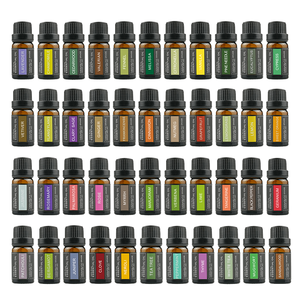
Industrial performance issues—such as premature oxidation, dermal irritation, unstable viscosity, or phase separation in emulsions—almost always stem from unmonitored processing heat or post-refining lipid degradation. When sourcing pure cold-pressed carrier oils such as Rosehip Seed Oil (Rosa canina / Rosa rubiginosa), Jojoba, Moringa Seed, or Virgin Argan, procurement teams must verify the primary lipid degradation markers:
Total Oxidation (TOTOX = 2 × PV + AV) quantifies both primary hydroperoxides and secondary aldehydes. Premium export batches maintain Peroxide Value < 5.0 meq/kg at time of dispatch.
Monitors hydrolytic cleavage of triglycerides caused by seed moisture or biological degradation prior to mechanical expelling. Strict cosmetic limits enforce Acid Value < 1.0 mg KOH/g.
The therapeutic efficacy of plant lipids depends heavily on natural tocopherols, phytosterols, squalene, and polyphenols preserved strictly via thermal control below 45°C.
To eliminate discrepancies between purchasing specifications and incoming analytical chemistry tests, the following parameters delineate standard export specifications across high-demand carrier matrices:
| Botanical Oil / Active | Standard Identification | Key Active Compounds | Prescribed Assay Method | Standard Export Packaging |
|---|---|---|---|---|
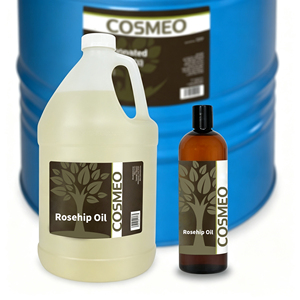
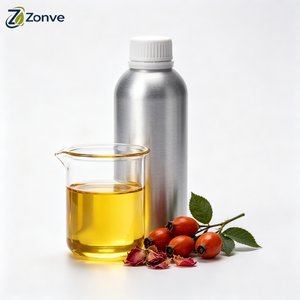
| Refined Rosehip Seed Oil | Rosa canina / rubiginosa | Linoleic (40-55%), α-Linolenic (20-35%), Oleic | GC-FID / ISO 12966 | 180kg Sealed Drums / 25kg UN Carboys |
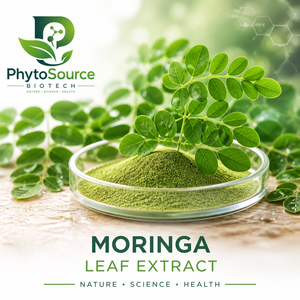
| Moringa Seed Oil | Moringa oleifera | Behenic Acid (>6%), High Oleic (>70%) | GC-FID (FAME analysis) | 190kg Steel Drums / Nitrogen Flushed |
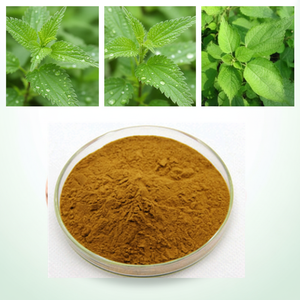
| Standardized Nettle Extract | Urtica dioica (Leaf) | Total Silica >1%, Chlorogenic Acid | HPLC / Gravimetric | 25kg Double-Lined Fiber Drums |
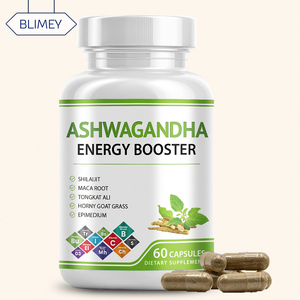
| Ashwagandha Extract KSM-66 | Withania somnifera (Root) | Withanolides ≥ 5.0% (Total USP Profile) | HPLC with DAD Detection | 25kg Vacuum-Sealed Aluminum Foil Packs |
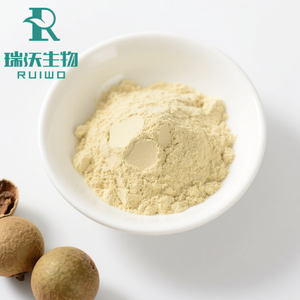
| Monk Fruit Extract Powder | Siraitia grosvenorii | Mogroside V (25% - 55% Food Grade) | HPLC External Standard | 20kg Sealed Cartons / Drum Liners |
Industrial procurement is transforming worldwide, driven by changing consumer preferences and stricter clean-label regulations across North America, Europe, and the Asia-Pacific region.
Traditional petrochemical solvent extraction methods (e.g., commercial hexanes) face growing restrictions due to strict limits on volatile organic chemical (VOC) residues and occupational safety rules. Facilities using subcritical and supercritical carbon dioxide extraction produce solvent-free, highly stable botanical oils that protect delicate polyunsaturated lipids like gamma-linolenic and alpha-linolenic acids from thermal degradation.
Regulatory frameworks such as the EU Corporate Sustainability Due Diligence Directive (CSDDD) and US FDA Foreign Supplier Verification Programs (FSVP) require complete traceability back to the agricultural source. Buyers now expect lot-specific geographic records, transparent cultivation auditing, and non-GMO certification from agricultural origins through secondary refining.
Modern supply chains recognize that oil quality depends heavily on packaging conditions. Leading bulk exporters protect sensitive oils from oxidation during transport by using nitrogen head-space purging, food-grade epoxy-phenolic lined steel drums, and opaque UN-rated high-density fluorinated containers.
SV Botanica operates specialized botanical extraction and oil refining facilities in Nashik, Maharashtra, combining India's rich agricultural heritage with modern cGMP manufacturing standards. Our export framework is built to help overseas brands eliminate intermediate markups, prevent customs clearance delays, and maintain reliable batch-to-batch consistency.
Registered exporter holding FSSAI Central Licence, IEC documentation, APEDA registration, and full compliance with USDA Organic, Halal, and Kosher certification requirements.
Every export batch undergoes thorough chromatographic screening—HPLC, GC-MS, and ICP-MS—to verify chemical marker identity and ensure heavy metals, pesticides, and microbial counts meet international standards.
We accommodate diverse packaging needs, from trial pilot quantities starting at 25kg drums to full 20-foot container shipments (FCL), backed by responsive technical support within 24 hours.
We maintain cold-pressing temperatures strictly below 45°C using jacketed screw expellers with integrated heat dissipation sensors. Refined grades undergo vacuum deodorization under low-temperature parameters that protect natural tocopherols and prevent trans-isomerization.
Every shipment includes a batch-specific Certificate of Analysis (CoA) with stated assay methods, a compliant 16-section Safety Data Sheet (SDS), a Certificate of Origin, a Phytosanitary Certificate, Non-GMO Declarations, and BSE/TSE statements.
Yes. Consignments intended for the European Union undergo multi-residue pesticide screening by accredited third-party laboratories per Regulation (EC) No 396/2005, along with validated Ethylene Oxide testing meeting Implementing Regulation (EU) 2019/1793 standards.
Standard stocked oils and extracts typically ship within 10 to 15 business days following order confirmation. Standard MOQs start at 25 kg for high-potency standardized botanical extracts and 180 kg (one industrial drum) for cold-pressed carrier oils.
Connect with our technical export team in Nashik for batch-specific Certificates of Analysis, working samples, and competitive container-load pricing tailored to your formulation requirements.