Precision-engineered botanical extracts and shelf-ready finished goods manufactured under audited cGMP environments, fully certified for immediate distribution across Singapore and APAC re-export corridors.
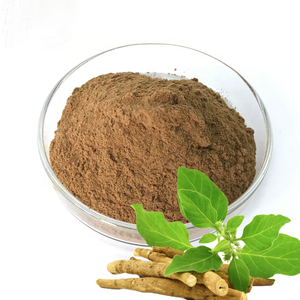
Ashwagandha (Withania somnifera, fam. Solanaceae) represents the pinnacle of modern adaptogenic pharmacology. However, for B2B procurement specialists, contract manufacturing organizations (CMOs), and pharmaceutical formulators in Singapore, procuring Ashwagandha root extract demands meticulous scientific discrimination between crude herbal powders and standardized chemical fractions. The primary bioactive molecules conferring therapeutic efficacy are steroidal lactones, known as withanolides (specifically Withaferin A, Withanolide A, Withanolide D, Withanoside IV, and Withanoside VI).
At our factory processing plants, roots harvested from prime semi-arid cultivation belts undergo precision aqueous or hydro-alcoholic counter-current solid-liquid extraction. The core scientific issue facing Asian buyers is the analytical divergence between test methods: Gravimetric / UV-Vis Spectrophotometry versus High-Performance Liquid Chromatography (HPLC). UV or gravimetric assay protocols routinely overstate withanolide yields by co-measuring structurally related steroidal glycosides and free polyphenols, reporting inflated levels (e.g., 5% to 10%) on adulterated lots. In contrast, our quality assurance protocols employ strictly validated reversed-phase HPLC (USP-NF monograph aligned) with photodiode array detection (PDA) at λ = 227 nm. This ensures Singaporean brands receive precise, reproducible quantification of marker withanolides while strictly controlling the cytotoxic fraction of isolated Withaferin A to meet regulatory safety thresholds.
We use exclusively authentic roots without unapproved leaf additions, safeguarding against non-compliant high withaferin-A content that causes GI irritation and regulatory non-conformities.
Supercritical aqueous or pharmaceutical ethanol (food grade) extraction ensures compliance with USP <467> Class 3 solvent limits, ensuring non-detectable residual benzene, methanol, or DCM.
Every commercial batch is accompanied by comprehensive chromatographic fingerprints, certifying marker stability, retention times, and absence of synthetic adulterants.
Singapore occupies a distinct commercial nexus: it boasts one of the most discerning domestic wellness markets globally and serves as the clinical trial and product development center for Southeast Asian health conglomerates. The application profiles for our Ashwagandha extracts are tailored to solve the lifestyle stressors and demographic shifts characteristic of modern Singapore:
| Application Matrix | Target Specification | Standardized Marker | Technical Functionality |
|---|---|---|---|
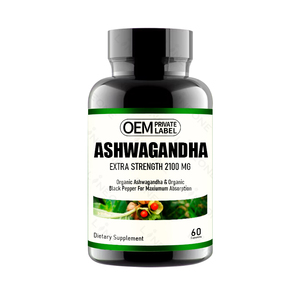
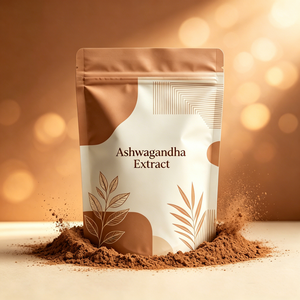
| Nootropic & Stress Capsules | Powder (80–100 Mesh) | 5.0% Withanolides by HPLC | High bulk density (0.45–0.65 g/ml), direct-compression ready |
| Functional RTD & Drink Sticks | Water Dispersible / Instant Granules | 2.5% Total Withanolides | ≥98% Solubility, low sedimentation, reduced astringency |
| Pectin Sleep Gummies | Paste / High-Solids Concentrate | 3.0%–5.0% Withanolides | Heat-tolerant profile to withstand confectionery deposit temps (105°C) |
| Sports Performance Powders | Carrier-Free Fine Powder | 7.0% Total Withanolides | Cortisol suppression, VO2 max endurance support, rapid miscibility |
Importing botanical extracts into Singapore requires rigorous navigation of the statutory requirements overseen by the Health Sciences Authority (HSA) under the Health Products Act, and the Singapore Food Agency (SFA) for functional consumables. As an established direct factory exporter, our documentation dossier is built to eliminate border delays, border rejections, or post-marketing recall risks.
In Singapore, Ashwagandha is recognized within the Complementary Health Products (CHP) framework as a traditional herbal substance, provided health claims avoid disease treatment or prevention references. Singaporean importers are legally responsible for confirming that botanical raw materials are free from western medicinal adulterants (such as sildenafil, dexamethasone, or synthetic sedatives) and remain well within statutory heavy metal thresholds.
Strict ICP-MS verification ensuring Lead (≤2.0 ppm), Arsenic (≤1.0 ppm), Cadmium (≤0.5 ppm), and Mercury (≤0.1 ppm)—comfortably exceeding Singapore HSA thresholds.
We mandate steam sterilization protocols without chemical ETO fumigation. Consignments undergo accredited GC-MS/MS testing for ethylene oxide and 2-chloroethanol (<0.01 mg/kg).
Given Singapore's multi-ethnic demographic and strict consumer focus on clean certifications, our production lines maintain dedicated Halal processes compatible with MUIS requirements.
Furthermore, under HSA's adverse reaction monitoring, elevated withaferin A levels have prompted global cautionary scrutiny regarding potential hepatotoxicity in susceptible individuals. SV Botanica provides selectively standardized fractions with quantified low withaferin A (≤0.5%), prioritizing withanolide glycosides that provide optimal adaptogenic efficacy without liver metabolic strain.
A persistent vulnerability in Singapore's supplement supply chain is botanical powder hygroscopicity. Singapore averages an equatorial ambient relative humidity of 80% to 90% and sustained temperatures of 28°C to 32°C. Highly concentrated herbal extracts naturally contain hygroscopic polyols, saponins, and polysaccharides that readily absorb atmospheric moisture, resulting in caking, clumping, Maillard browning reactions, and withanolide ester hydrolysis within standard commercial warehousing.
To ensure our Ashwagandha maintains free-flowing physical stability and biochemical potency throughout 36-month shelf cycles across Jurong Island, Changi, and Tuas storage facilities, we deploy targeted packaging and manufacturing protocols:
Many of our Singapore-based trading and brand clients operate on a hub-and-spoke model, importing bulk botanical active ingredients via the Port of Singapore (PSA) or Changi Airfreight Centre, followed by value-add formulation in Tuas Biomedical Park, packaging in Jurong, and rapid distribution across ASEAN markets (Malaysia, Indonesia, Thailand, Vietnam, and the Philippines). Singapore's Free Trade Zone (FTZ) status and zero tariffs on raw ingredients streamline this process.
By partnering directly with SV Botanica's Indian extraction facilities in Nashik, Maharashtra, Singaporean procurement teams eliminate intermediary brokers in Europe or the US. Direct sea lanes between Nhava Sheva (JNPT) and PSA Singapore provide rapid ocean freight transit of just 5 to 7 days, backed by real-time container temperature dataloggers. This direct farm-to-factory-to-port supply architecture provides Singaporean firms with exceptional pricing leverage, guaranteed lot continuity, and comprehensive batch documentation.
SV Botanica operates at the convergence of traditional Ayurvedic botanical heritage and modern pharmaceutical extraction technologies. As an accredited Indian manufacturer and bulk exporter, our facilities are audited to meet the world's most stringent regulatory benchmarks:
Sourced through contracted cultivation networks across Madhya Pradesh and Rajasthan, ensuring non-GMO seed stock, regenerative cultivation, and complete harvest traceability.
Consolidate your botanical supply chain under one verified vendor: Ashwagandha, Turmeric 95% Curcumin, Boswellia 65%, Berberine HCl 97%, Shatavari, and Moringa.
Supported by FSSAI Central License 11526999001161, APEDA Export Registration, US FDA Food Facility Registration, and ISO 22000:2018 food safety standards.
Every commercial delivery includes an exhaustive, batch-specific analytical dossier: HPLC Chromatogram demonstrating active marker content, ICP-MS Heavy Metals testing, Multi-Residue Pesticide Screen (covering over 450 compounds to meet EU MRL and Singapore SFA limits), Microbial Assay (Total Plate Count, Yeast & Mold, Salmonella, E. coli, Staphylococcus aureus), Non-GMO confirmation, and Allergen-Free declarations.
Direct answers to technical, commercial, and regulatory questions routinely raised by QA managers, formulation scientists, and supply chain directors across Singapore.