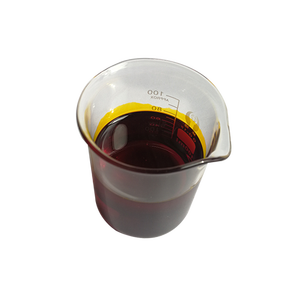
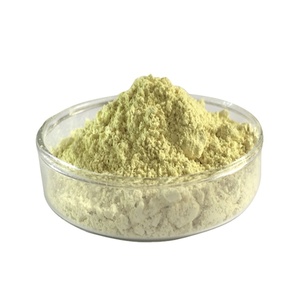
Procure laboratory-assayed botanical extracts and spice oleoresins directly from our GMP and ISO-certified processing facilities with complete batch Certificates of Analysis (CoA).
A comprehensive engineering and procurement guide to integrating standardized capsaicinoid extracts into the Uruguayan meat-curing, food processing, and pharmaceutical sectors.
Industrial food processors and formulation chemists across Uruguay—spanning the traditional meat-curing clusters in Montevideo, Canelones, and San José to advanced personal care laboratories—face distinct operational challenges when sourcing raw chili powders. Native dried red peppers often suffer from seasonal heat variance, biological bio-burden, aflatoxin contamination, and rapid oxidative degradation. SV Botanica provides an enterprise-tier B2B bridge, directly connecting Uruguayan commercial buyers to our advanced extraction units in India’s renowned spice corridors.
Derived primarily from premium cultivars of Capsicum annuum and Capsicum frutescens cultivated in Andhra Pradesh (Guntur) and Karnataka, our Capsicum Oleoresin is manufactured via supercritical CO2 extraction and advanced solvent-rectification processes. This delivers concentrated, consistent Scoville Heat Units (SHU) ranging from 500,000 to upwards of 6,600,000 SHU (40% to 45% total capsaicinoids), ensuring batch-to-batch organoleptic and therapeutic consistency that raw spices cannot replicate.
Every consignment exported through the Port of Montevideo complies rigorously with the sanitary and analytical demands enforced by the Laboratorio Tecnológico del Uruguay (LATU) and the Ministerio de Ganadería, Agricultura y Pesca (MGAP).
Inquire NowOur extraction protocol isolates and standardizes the major structural capsaicinoid homologs responsible for sensory pungency and therapeutic thermogenic stimulation:
| Grade Designation | Standardized SHU Range | Total Capsaicinoids (HPLC) | Carrier / Physical Form | Primary Industrial Use-Case |
|---|---|---|---|---|
| Food Grade Standard Oil-Soluble | 500,000 – 1,000,000 SHU | 3.3% – 6.6% | Refined Soybean / Sunflower Oil (Liquid) | Charcuterie, embutidos, cured Pamplona marinades |
| High-Potency Concentrated Oleoresin | 2,000,000 – 3,300,000 SHU | 13.3% – 22.0% | Viscous dark resinous liquid | Industrial hot sauce production, chimichurri bases |
| Decolorized / De-pigmented Oleoresin | 1,000,000 – 2,000,000 SHU | 6.6% – 13.3% | Low-carotenoid clear/amber extract | Pharmaceutical ointments, colorless topical balms |
| Water-Dispersible Emulsion Grade | 100,000 – 500,000 SHU | 0.66% – 3.3% | Polysorbate / Food-grade emulsifier carrier | Brines, clear marinades, ready-to-drink functional beverages |
| Ultra-Potent Supercritical CO2 Extract | 4,000,000 – 6,600,000 SHU | 26.5% – 44.0% | Highly dense, solvent-free oily resin | Veterinary deterrents, agro-ecological repellents |
Our standardized capsaicin extracts solve formulation stability, microbial security, and thermal processing challenges across specific Uruguayan manufacturing sectors.
Uruguay maintains one of the highest per-capita meat consumption rates globally, backed by a world-class beef and pork charcuterie heritage. Chacinados producers in Canelones and San José demand strict microbial sterility and standardized spice release.
Commercial sauce producers supplying supermarkets in Montevideo and exporting to neighboring MERCOSUR countries rely on our oleoresin to deliver stable, calibrated pungency across massive production kettles.
Approved under Ministerio de Salud Pública (MSP) pharmaceutical monographs, capsaicin functions as a potent counterirritant and analgesic by desensitizing TRPV1 nerve receptors.
Uruguay's extensive pastoral and viticultural sectors (Colonia, Soriano, Canelones) are moving away from organophosphates toward green, biodegradable pest solutions.
Importing botanical extracts into Uruguay requires rigorous adherence to regional MERCOSUR food additive standards, LATU laboratory validation, and strict documentation management.
The Laboratorio Tecnológico del Uruguay (LATU) inspects and verifies imported food ingredients at the Port of Montevideo. Ingredients must conform to MERCOSUR Technical Regulations (Resolución GMC N° 54/00 and 03/92) concerning food additives and maximum allowable solvent limits.
SV Botanica packages all Uruguayan export consignments with certified analytical documentation confirming non-detectable or strictly regulated residual limits:
Under Codex Alimentarius guidelines (CODEX STAN 192-1995) and regional South American health mandates, our botanical extracts undergo rigorous multi-element analysis via Inductively Coupled Plasma Mass Spectrometry (ICP-MS).
Every shipment delivered to Montevideo includes comprehensive third-party testing parameters:
Supercritical extraction and HPLC validation in Nashik, India. Pre-shipment batch samples dispatched.
Apostilled Certificate of Analysis, Phytosanitary, Certificate of Origin, Non-GMO & Allergen Declarations.
Dispatched via Nhava Sheva (JNPT) directly to the Port of Montevideo in temperature-monitored containers.
Seamless clearance through Uruguayan Customs (Dirección Nacional de Aduanas) to your manufacturing plant.
Combining primary agricultural control in India's spice heartlands with sophisticated analytical standardization and streamlined export logistics.
Our extraction facilities operate under stringent GMP and ISO quality frameworks, backed by an FSSAI Central Licence (11526999001161) and direct APEDA registration, ensuring transparent corporate governance.
Our dedicated South American export desk reviews your target specification, provides a matched representative CoA, and calculates CIF Montevideo freight rates within 24 business hours.
Every drum is barcoded back to its farm cultivation source. We provide full HPLC chromatograms and ICP-MS testing certificates with every delivery, ensuring uncompromised QA audits.
We accommodate both trial testing and industrial continuous supply, with minimum order quantities (MOQ) starting from 25 kg for high-potency extracts up to 20-foot full container loads (FCL).
Combine your Capsicum Oleoresin consignments with standardized herbal extracts (Ashwagandha, Boswellia, Turmeric 95%) and cold-pressed seed oils under a single consolidated import dossier.
Exported in nitrogen-flushed, UN-approved epoxy-lined steel drums or food-grade HDPE containers designed to prevent oxidative loss across tropical oceanic shipping routes.
Direct technical answers addressing commercial, legal, and formulation inquiries from purchasing managers and R&D teams in Uruguay.
Every consignment includes a batch-specific Certificate of Analysis (CoA) indicating exact HPLC capsaicinoid percentages, an international Phytosanitary Certificate issued by Indian Plant Quarantine authorities, a Commercial Invoice, a Packing List, a Bill of Lading (B/L), an Apostilled Certificate of Origin, a Safety Data Sheet (SDS/MSDS in English and Spanish), and Non-GMO/Allergen declarations required by LATU and Aduanas del Uruguay.
The historical organoleptic Scoville Heat Unit panel (ASTA method) is subjective and carries up to 35% human sensory margin of error. We utilize High-Performance Liquid Chromatography (HPLC) according to AOAC 995.03. One percent (1%) total capsaicinoids by weight equates scientifically to approximately 150,000 to 160,000 Scoville Heat Units, providing reproducible dosing for industrial recipe automation.
Yes. Natural Capsicum Oleoresin is fundamentally lipophilic (oil-soluble), making it ideal for meat fat blending, chacinados, and cooking oils. For water-based brines, canned marinades, and functional table beverages, we produce customized water-dispersible formulations using food-grade emulsifiers (such as Polysorbate 80 or modified sunflower lecithin), creating a crystal-clear emulsion without phase separation.
Standard ocean freight transit from the Port of Nhava Sheva (Mumbai) to the Port of Montevideo typically takes between 32 and 40 days, depending on shipping transshipment hubs (often routed via Santos or trans-Atlantic lines). Air cargo for high-value pharmaceutical pure capsaicin crystals or urgent pre-production trials typically arrives at Carrasco International Airport (MVD) in 5 to 7 business days.
Raw chillies from our partner farming cooperatives in Guntur undergo solar-tunnel drying under controlled environmental parameters to avoid moisture condensation that triggers Aspergillus mold growth. Every batch of extracted oleoresin is then tested via LC-MS/MS for multi-residue pesticide screens and HPLC for Aflatoxins B1, B2, G1, and G2, guaranteeing total aflatoxin values below 10 µg/kg.
Our standard commercial MOQ begins at 25 kg for standardized liquid oleoresins, supplied in UN-certified food-grade HDPE carboys or epoxy-lined steel drums. For high-purity crystalline capsaicin (95% to 98% USP), the MOQ is 1 kg in tamper-evident aluminum vacuum flasks. Custom bulk packaging up to 200 kg drums is available for industrial-scale meat packing plants.
Yes. Standard capsicum oleoresin contains natural red carotenoid pigments (capsanthin and capsorubin). For pharmaceutical topical formulations, sports creams, and color-sensitive food dressings, we employ an advanced column chromatography de-pigmentation process that strips the deep red pigment while preserving exact capsaicinoid content and pungent thermal properties.
Yes. We supply 50g to 100g pre-shipment trial samples along with their exact analytical Certificate of Analysis via international express air courier (DHL/FedEx) to Montevideo. This enables your internal quality control and product development teams to validate solubility, sensory impact, and assay values before issuing commercial Purchase Orders.
Connect with SV Botanica’s technical export team to configure your target Scoville Heat Unit, solubility profile, and regulatory documentation package for delivery to Uruguay.
Inquire Now