Direct factory supply with HPLC/GC-MS batch validation, comprehensive Certificates of Analysis (CoA), and streamlined freight logistics straight into Colombo Commercial Sea Ports.
Understanding molecular parameters, extraction crystallization chemistry, and analytical quantification methods for enterprise procurement directors.
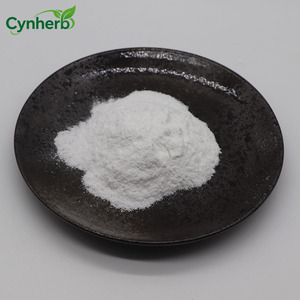
Epigallocatechin Gallate ((-)-Epigallocatechin-3-gallate, CAS No. 989-51-5, Molecular Formula: C22H18O11, Molar Mass: 458.37 g/mol) is the primary, most pharmacologically active polyphenolic constituent isolated from the non-fermented leaves of Camellia sinensis. As an international manufacturing powerhouse rooted in China’s principal green tea cultivating regions (Hunan, Zhejiang, and Sichuan), our advanced phytopharmaceutical production lines utilize low-temperature multi-stage countercurrent extraction coupled with polymeric macroporous adsorption resin columns. This cutting-edge chemical engineering isolates EGCG to ultra-pure crystalline thresholds without structural epimerization or solvent-induced degradation.
High-potency crystalline isolate engineered for clinical-grade encapsulated nutraceuticals, oncology research formulations, and metabolic health therapeutics requiring maximum purity with near-zero caffeine.
Balanced full-spectrum catechin complex designed for dietary supplement tablets, health capsules, and synergistic functional complexes preserving natural synergistic phytochemical fractions.
Rapid cold-water dispersion profile engineered for Ready-To-Drink (RTD) iced teas, powdered hydration sachets, and functional tonics, guaranteeing optical clarity without sedimentation.
To assist procurement directors and QA/QC analytical chemists across Colombo, Gampaha, and Kandy, the table below highlights our factory standard release limits against international pharmacopoeial monographs (USP, Ph. Eur., and Food Chemicals Codex).
| Analytical Parameter | High Purity Grade (EGCG ≥ 95%) | Standard Food/Nutra Grade | Detection Method / Pharmacopoeia Ref |
|---|---|---|---|
| Assay: EGCG (-)-Epigallocatechin gallate | ≥ 95.0% by weight | ≥ 50.0% – 60.0% | HPLC-DAD (In-house / USP Monograph) |
| Total Polyphenols Content | ≥ 98.0% | ≥ 95.0% | ISO 14502-1 / UV-Vis Spectrophotometry |
| Caffeine Residue | ≤ 0.1% (Decaffeinated Standard) | ≤ 0.5% – 2.0% | HPLC (278 nm) |
| Heavy Metals (as Pb, As, Cd, Hg) | Pb ≤ 1.0 ppm, As ≤ 0.5 ppm, Cd ≤ 0.2 ppm, Hg ≤ 0.1 ppm | Total ≤ 10.0 ppm | ICP-MS (Inductively Coupled Plasma) |
| Pesticide Multi-Residue Screen | Conforms to EU 396/2005 & USP <561> limits | Zero banned organochlorines | GC-MS/MS & LC-MS/MS (350+ screening panel) |
| Residual Extraction Solvents | Ethanol ≤ 500 ppm; Ethyl Acetate ≤ 50 ppm | Class 3 Solvents < 5000 ppm | Headspace Gas Chromatography (GC-FID) |
| Microbiological Parameters | Total Plate Count ≤ 1,000 cfu/g; Yeast/Mold ≤ 100 cfu/g | Pathogen-free (E. coli, Salmonella absent) | USP <2021> & USP <2022> Biological Testing |
| Bulk Density & Particle Size | 0.40 – 0.65 g/mL (80 mesh pass > 95%) | 0.35 – 0.60 g/mL (80 mesh pass) | USP <616> Method II (Tapped/Untapped) |
Bridging the technological gap: While Sri Lanka is world-renowned for Ceylon Black Tea (orthodox agricultural processing), modern biomedical applications require isolated, ultra-high purity catechins manufactured via advanced industrial chromatography.
Sri Lanka is experiencing a profound scientific modernization of its indigenous medicine (Ayurveda and Hela Wedakama). Leading pharmaceutical formulators in Sri Lanka are developing standardized herbal poly-formulations that combine classical Ceylon Cinnamon (Cinnamomum verum) and Ashwagandha with high-purity decaffeinated EGCG 95%. This synergy drives clinical outcomes in managing type-2 glycemic indices, adipogenesis, and metabolic syndrome—chronic ailments with escalating incidence throughout Sri Lanka’s urban centers.
Under the strategic vision of the Sri Lanka Tea Board to shift exports from primary commodity bulk tea toward high-margin functional beverages, Colombo tea exporters are utilizing our Instant Water-Soluble Green Tea Polyphenol Powders. These extracts enable commercial tea exporters to formulate branded “Super-Antioxidant Ceylon Infusions,” cold-brew concentrates, and canned functional RTD teas that command premium retail shelf prices across European, Middle Eastern, and North American consumer markets.
Sri Lanka’s booming wellness and luxury hospitality sector (exemplified by high-end botanical spa brands) demands bioactive, clean-label cosmetic actives. Pure EGCG serves as a premier radical scavenger against UV-A/UV-B irradiation damage. Local cosmetic chemists formulate our oil-dispersible and water-soluble EGCG fractions into anti-aging serums, soothing sun care balms, and post-sun skin revitalizers tailored for coastal humidity and intense equatorial solar exposure.
Operating within Board of Investment (BOI) industrial zones such as Horana and Mirigama, Sri Lankan pharmaceutical contract manufacturers increasingly produce private-label dietary supplements for regional distribution. Our high-density, free-flowing crystalline EGCG powders demonstrate superior compression rheology and powder flow properties, minimizing friction, capping, and sticking on high-speed rotary tablet presses and hard-gelatin capsule filling lines.
An executive analysis of regulatory compliance, macroeconomic currency dynamics, and consumer wellness adoption across Sri Lanka.
Importing active pharmaceutical ingredients (APIs) and therapeutic-grade herbal raw materials into Sri Lanka falls under the purview of the National Medicines Regulatory Authority (NMRA) Act No. 5 of 2015. The NMRA has intensified scrutiny on heavy metal contaminants, aflatoxins, and ethylene oxide (ETO) residues. Sri Lankan importers require suppliers that deliver verifiable, third-party accredited (ISO/IEC 17025) analytical documentation alongside Certificate of Analysis (CoA) to prevent customs delays at the Colombo Port terminal.
Direct maritime shipping lanes from key Chinese phytochem export hubs (Shanghai Port and Ningbo-Zhoushan Port) to the Port of Colombo offer reliable 10–14 day sea transit. As Colombo functions as the premier transshipment hub of South Asia, Sri Lankan enterprises leverage bonded re-export warehouses, compounding imported Chinese EGCG with native botanicals before re-exporting premium packaged goods across the Indian Ocean rim.
Sri Lanka’s tropical maritime climate, characterized by ambient relative humidity frequently exceeding 80%–85% in Colombo and the Western Province, poses significant stability challenges for powdered extracts. Unprotected EGCG readily undergoes oxidative browning and auto-oxidation into quinones. We solve this by engineering vacuum-sealed, nitrogen-flushed triple-laminate aluminum barrier packaging, preserving bioactive potency through transport, clearing, and warehousing.
Navigating foreign exchange regulations established by the Central Bank of Sri Lanka (CBSL) requires flexible commercial trade terms. Our corporate export desk accommodates a spectrum of banking payment instruments, including Documentary Letters of Credit (LC at Sight / Usance LC), Documents Against Payment (DP), and secure T/T banking channels, mitigating exchange volatility for our Sri Lankan partners.
Direct factory production backed by world-class quality systems, complete vertical integration, and zero-compromise contaminant controls.
Production facilities engineered to Class 100,000 cleanroom standards, holding ISO 9001, ISO 22000, HACCP, Halal, and Kosher accreditations to guarantee international compliance.
Every commercial batch is tested on calibrated Shimadzu and Agilent HPLC-DAD platforms, delivering verified chromatographic fingerprinted CoAs for exact marker consistency.
Raw green tea leaves cultivated in proprietary high-altitude organic plantations located in Hunan and Zhejiang, ensuring raw materials free from industrial contaminants and heavy metals.
Guaranteed zero Ethylene Oxide (ETO) treatment and non-irradiated processing, aligning completely with strict European MRLs, US FDA, and Sri Lankan Food Act statutory requirements.
Tailored catechin ratios, customized mesh particle sizes (from coarse powder to 200 mesh micronized), and specialized carrier modifications (maltodextrin-free clean label options).
Comprehensive regulatory support provided with each shipment: SDS, Technical Data Sheets (TDS), Flowcharts, Allergen Statements, Non-GMO Declarations, and Phytosanitary Certificates.
Direct, transparent answers covering customs clearance, NMRA guidelines, HS Codes, laboratory testing, and shipping terms into Sri Lanka.
Industrial Green Tea Extract and purified EGCG powder are primarily categorized under HS Code 1302.19 (“Vegetable saps and extracts; other”) or HS Code 2932.99 for purified chemical compounds depending on target assay and intended formulation. Importers at Colombo Port should verify specific customs classifications with their clearing agents (CHA) to determine exact Ports and Airports Development Levy (PAL) and applicable CESS levies.
If the extract is imported as an Active Pharmaceutical Ingredient (API) or intended for therapeutic medicinal claims, registration with the National Medicines Regulatory Authority (NMRA) is mandatory. If the product is utilized purely as an antioxidant ingredient for food processing or beverage fortification, compliance falls under the Food Advisory Committee of the Ministry of Health and Sri Lanka Standards Institution (SLSI). We supply complete technical dossiers to expedite your registration.
UV-Vis spectrophotometry (often calibrated against gallic acid equivalents) non-selectively measures all phenolic hydroxyl groups, routinely yielding readings exceeding 98%. However, High-Performance Liquid Chromatography (HPLC) separates and quantifies exact individual catechin molecules (EGCG, EGC, ECG, EC). For enterprise-grade formulation, always specify marker content by HPLC to avoid potency discrepancies in finished dosages.
EGCG is inherently hygroscopic and susceptible to oxidative polymerization in moist conditions. Our export goods are sealed in heavy-duty food-grade polyethylene inner liners, encased within pharmaceutical-grade, nitrogen-purged multi-layer aluminum vacuum bags, and packed inside 25 kg fiber drums sealed with tamper-evident locking rings. This ensures shelf stability in excess of 24 months, even in tropical coastal warehousing.
Our standard commercial MOQ is 25 kg (one standard fiber drum). However, to assist R&D teams and quality laboratories in Sri Lanka conducting analytical verification, trial batches, or pilot formulation runs, we supply 50g–200g complimentary pre-shipment samples via DHL or FedEx air express directly to your facility in Sri Lanka.
From our manufacturing plant, shipments are consolidated and dispatched via direct sea freight from Shanghai Port or Ningbo Port to the Port of Colombo. Ocean transit time typically ranges between 10 to 14 days. For urgent or small-scale clinical batches, direct air freight routes from Shanghai Pudong (PVG) or Guangzhou (CAN) to Bandaranaike International Airport (CMB) take only 2 to 4 days.
Yes. Our proprietary supercritical CO2 and ethyl acetate fractionation technologies selectively strip caffeine molecules while fully conserving the delicate catechin ester bonds. Our decaffeinated EGCG grades contain caffeine residues below 0.1%, ideal for nighttime sleep formulations, cardiac wellness supplements, and stimulant-sensitive consumer profiles.
We work closely with Sri Lankan corporate banks to support secure and compliant trade finance. Standard terms include Irrevocable Letters of Credit at Sight (L/C), Wire Telegraphic Transfers (T/T), and documentary collections (D/P). Payment schedules can be aligned with central bank regulatory authorizations to ensure smooth currency routing.
Partner directly with China’s leading botanical extraction facility. Request detailed batch Certificates of Analysis, technical dossiers, regulatory documentation, and pre-shipment trial samples tailored for the Sri Lankan manufacturing ecosystem.