
GC-MS Verified
Manufactured under GMP, ISO, and clean-label parameters with complete batch-specific analytical testing via HPLC, GC-MS, and ICP-MS for seamless Japanese MHLW clearance.
The Greater Chukyo metropolitan region—anchored by Nagoya and encompassing Aichi, Gifu, and Mie prefectures—represents not only Japan’s industrial powerhouse but also one of its most sophisticated epicenters for functional nutrition, health food manufacturing, and contract packaging. As Japanese consumers prioritize extended "healthy life expectancy" (Kenkō Jumyō, 健康寿命), local contract development and manufacturing organizations (CDMOs) face intense pressure to supply finished formulations that satisfy rigorous Consumer Affairs Agency (CAA) guidelines while maintaining absolute batch-to-batch chemical conformity.
Navigating this marketplace requires direct, transparent factory relationships. For quality management teams located in manufacturing hubs across Nagoya, Komaki, Kasugai, and Toyohashi, procuring raw botanical extracts and functional raw materials is no longer merely a pricing exercise; it is an analytical compliance imperative governed by the Food Sanitation Act (Shokuhin Eisei Hō), the Positive List System for Agricultural Chemical Residues, and rigorous non-irradiation mandates.
“In Japan’s contemporary nutraceutical manufacturing ecosystem, incoming quality verification at the port of entry demands total analytical alignment. A certificate of analysis (CoA) must not merely state a percentage; it must declare chromatographic methodology, reference standards, and verifiable limits on heavy metal isotopes like arsenic and cadmium.”
Japan’s unique regulatory classification establishes three primary functional food categories: Foods for Specified Health Uses (FOSHU / Tokuho), Foods with Nutrient Function Claims (FNFC), and Foods with Function Claims (FFC / Kinō-sei Hyōji Shokuhin). For suppliers serving Nagoya’s vibrant OEM brand ecosystem, the FFC route is the primary driver of new product development.
To register an FFC notification with the Consumer Affairs Agency, brand owners and their contract manufacturers must submit either clinical trial data on the finished product or systematic literature reviews (SR) substantiating the functional active. As an ingredient factory, our manufacturing standardizations are calibrated to deliver the precise active bio-markers required by these SR dossiers:
One of the most frequent friction points encountered by Nagoya QC inspection laboratories when receiving overseas raw materials is assay discrepancy caused by non-harmonized analytical testing protocols. For instance, testing polyphenol or curcuminoid concentrations via Ultraviolet-Visible Spectrophotometry (UV-Vis) routinely inflates the stated purity due to background absorbance from non-targeted tannins and organic resins. When the identical batch arrives at an Aichi analytical laboratory and undergoes High-Performance Liquid Chromatography (HPLC), the active reading may drop by 10% to 25%, resulting in quarantine failure or customs rejection.
Our manufacturing facilities overcome this through Method Harmonization. Every Certificate of Analysis dispatched with Nagoya-bound consignments explicitly discloses the column chemistry, mobile phase composition, retention times, and reference standards utilized during lot release. Whether employing USP, JP, or in-house validated HPLC protocols, our specifications represent verifiable chemical content rather than non-specific optical estimates.
Unlike Western markets where ionizing radiation (gamma irradiation or electron beam treatment) is frequently utilized for microbial decontamination of botanical powders, Japan’s Food Sanitation Act strictly prohibits the irradiation of food ingredients (with the singular historical exception of potato sprout prevention). Importing an irradiated botanical into Nagoya Port will result in compulsory disposal or reshipment at the importer's expense.
Our factory utilizes high-efficiency supercritical fluid extraction, low-temperature micro-milling, and advanced saturated dry steam pasteurization systems. This physical processing achieves stringent microbial specifications—Total Aerobic Microbial Count (TAMC) < 1,000 CFU/g, Yeast & Mold < 100 CFU/g, with absolute absence of Salmonella, E. coli, and Staphylococcus aureus—while fully respecting Japan's non-irradiation doctrine.
Furthermore, under the Japanese Positive List System, residual pesticides that lack an explicitly established maximum residue limit (MRL) must not exceed the uniform default limit of 0.01 ppm (mg/kg). Consignments destined for Nagoya undergo multi-residue gas and liquid chromatography-mass spectrometry (GC-MS/MS and LC-MS/MS) screens testing for over 500 individual compounds prior to container sealing.
Engineering active raw materials directly aligned with consumer lifestyles, regional manufacturing shifts, and wellness consumer preferences throughout Aichi Prefecture.
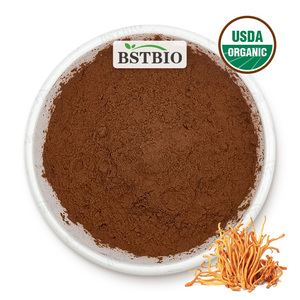
Nagoya's massive automotive, aerospace, and precision-engineering manufacturing corridor requires specialized cognitive and physical fatigue countermeasures. Our high-purity Cordycepin (1%–8%) and CS-4 mycelium powders support cellular ATP turnover, physical stamina, and circadian resilience for rotating shift personnel and corporate engineers.
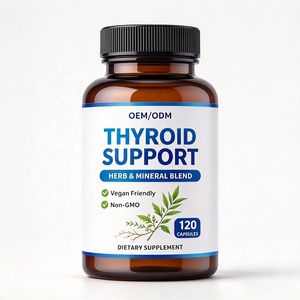
Aichi Prefecture’s rapidly expanding aging demographic demands preventative nutritional care targeting joint flexibility, cartilage matrix protection, and cognitive sharpness. Chitosan biopolymers coupled with standardized Frankincense and antioxidant carotenoids form the backbone of clean-label joint mobility and anti-inflammatory wellness tablets.
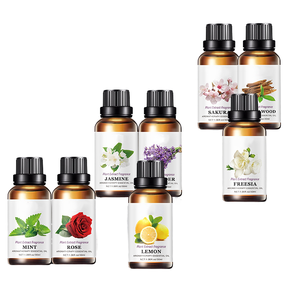
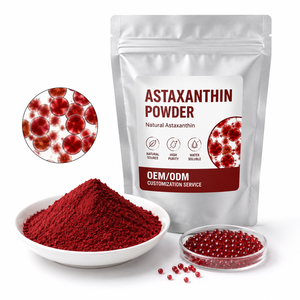
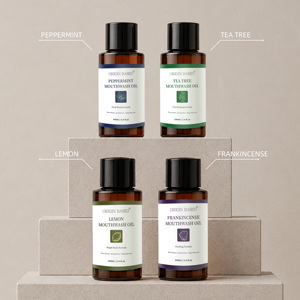
The Nagoya beauty and salon market demands internal photoprotective ingredients. Our natural Haematococcus pluvialis Astaxanthin powder and cold-pressed botanical essential oils provide potent singlet-oxygen quenching (6,000x stronger than Vitamin C), making them ideal for ingestible beauty gummies, drink shots, and softgels.
SV Botanica delivers direct-from-source agricultural provenance, rigorous in-house instrumentation, and full regulatory traceability to streamline supplier qualification for your QA department.
Processing under strict GMP, ISO 22000, and FSSAI Central License protocols. All sites maintain environmental controls, HEPA-filtered cleanrooms, and stainless-steel 316 extraction lines.
Direct communication with qualified chemists and food scientists. Receive raw material technical sheets, heavy-metal mass spec traces, and sample CoAs within one business day.
Every single batch undergoes testing for lead, cadmium, mercury, and arsenic (Pb, Cd, Hg, As) via Inductively Coupled Plasma Mass Spectrometry to satisfy stringent Japanese Pharmacopoeia limits.
Direct cultivation belts eliminate intermediary broker risks. We guarantee harvest-level traceability, preserving non-GMO integrity and preventing seasonal botanical active dilution.
All botanicals are 100% ETO-free and 2-chloroethanol-free. Advanced dry steam pasteurization protects thermo-sensitive bioactives while satisfying zero-residue import mandates.
Complete regulatory dossiers including Certificate of Analysis, Allergen Statements, Non-Irradiation Declarations, BSE/TSE Certificates, and Japanese Customs clearance documentation.
Comprehensive assay parameters, testing protocols, and physical properties for high-demand nutraceutical raw materials supplied to Nagoya manufacturers.
| Ingredient Active | Botanical / Biological Source | Standardized Assay | Analytical Method | Mesh & Physical Form | MHLW Japanese Status |
|---|---|---|---|---|---|
| Astaxanthin Powder | Haematococcus pluvialis | 1.5% · 2.5% · 5.0% · 10% | HPLC (USP Method) | 80 Mesh / Free Flowing | Non-Drug (Food Grade) |
| Cordycepin Extract | Cordyceps militaris | 1.0% · 3.0% · 5.0% · 8.0% | HPLC | 80–100 Mesh Fine Powder | Non-Drug (Food Grade) |
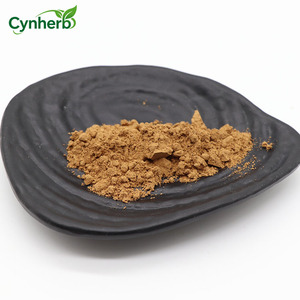
| Cordyceps CS-4 | Paecilomyces hepiali | ≥40% Polysaccharides, ≥0.2% Adenosine | UV-Vis / HPLC | 80 Mesh Brown Powder | Non-Drug (Food Grade) |
| Ashwagandha Root | Withania somnifera (Root Only) | 2.5% · 5.0% Withanolides | HPLC / Gravimetric | 80 Mesh Fine Powder | Root Only: Non-Drug List |
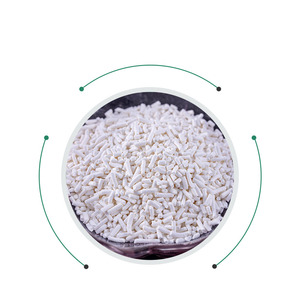
| Potassium Sorbate | Synthetic Food Additive | 99.0% – 101.0% Purity | Titration (FCC / JP) | Granular Spherical | Designated Food Additive |
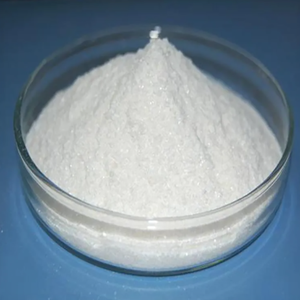
| Chitosan Powder | Crustacean Marine Exoskeleton | Deacetylation Degree ≥ 85% | Titration | 80–100 Mesh Powder | Non-Drug (Functional Food) |
Direct technical answers addressing customs clearances at Nagoya Port, quarantine verifications, and regulatory protocols across Aichi Prefecture.
Every commercial consignment routed through the Port of Nagoya is accompanied by a full regulatory packet including: (1) Lot-specific Certificate of Analysis declaring testing methodology (HPLC/GC-MS/ICP-MS), (2) Prior Notification for Food Importation under the Food Sanitation Act, (3) Manufacturer Declaration of Non-Irradiation, (4) Quantitative pesticide residue panel verified against the Japanese Positive List System (<0.01 ppm default threshold), (5) Complete allergen cross-contamination matrix, and (6) Certificate of Origin. We coordinate directly with your licensed Japanese customs broker (Otsunakama) to resolve document requisitions before vessel berthing.
Under the MHLW Pharmaceutical Affairs classification, Withania somnifera leaves and aerial parts have historical restrictions, whereas the dried root is recognized under the Non-Drug List (Shokuyō Kubun) when designated for nutritional applications. Our factory operates single-stream processing utilizing exclusively 100% dried roots of Withania somnifera, providing botanical authentication via Thin-Layer Chromatography (TLC) and DNA barcoding to guarantee total absence of aerial botanical contamination.
Yes. Prior to finalizing bulk production contracts, we dispatch 50g–250g representative pre-shipment samples via express air freight (Chubu Centrair International Airport - NGO) accompanied by the exact batch Certificate of Analysis. This allows your internal quality team or accredited third-party Japanese testing organizations (such as Japan Food Research Laboratories - JFRL) to cross-validate active markers, particle size distribution, and heavy metals prior to container loading.
For standardized extract powders (such as Cordyceps, Astaxanthin, and herbal actives), standard MOQ starts at 25 kg packaged in food-grade polyethylene-lined fiber drums. For custom contract standardizations or customer-specified mesh sizes, initial MOQs typically range from 50 kg to 100 kg. Direct sea-freight consignments to Nagoya Port feature a 14–21 day sailing transit time, while priority air shipments via Centrair (NGO) arrive within 3–5 business days.
Japan enforces some of the strictest heavy metal thresholds globally. We utilize advanced Inductively Coupled Plasma Mass Spectrometry (ICP-MS) to quantify Lead (Pb < 2.0 ppm), Arsenic (As < 1.0 ppm), Cadmium (Cd < 0.5 ppm), and Mercury (Hg < 0.1 ppm). In addition, our physical water treatment systems and stainless extraction columns prevent secondary trace mineral contamination throughout the isolation cycle.
Yes. We understand that Nagoya OEM plants rely on high-speed rotary tablet presses and automatic hard-capsule fillers that require consistent flowability, specific bulk density (0.40–0.65 g/mL), and standardized 80-mesh granulometry. We provide custom low-temperature granulation, non-GMO excipient carrier specification (such as organic maltodextrin or acacia gum), and precise moisture control (<5.0% LOD) to prevent caking and machine jamming.
Absolutely. With Japanese consumers increasingly scrutinizing label transparency under Consumer Affairs Agency rules, we offer 100% pure, carrier-free extract powders, water-only extraction processes, and allergen-free processing lines. Every lot includes a certified allergen disclosure guaranteeing zero cross-contact with Japan’s designated 8 mandatory allergen classes (such as shrimp, crab, wheat, egg, milk) and 20 recommended disclosure items.
Connect directly with our senior application scientists and regulatory documentation specialists. Request comprehensive Certificates of Analysis, technical whitepapers, pilot samples, and complete export pricing schedules tailored for the Nagoya nutraceutical sector.