Consolidated botanical sourcing, accredited multi-residue testing, and full technical documentation for food supplement manufacturers across Barcelona, Madrid, Valencia, Andalusia, and the Basque Country.
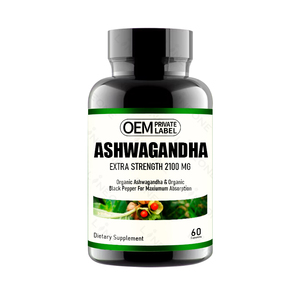
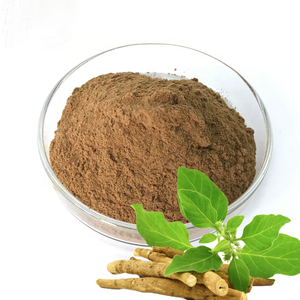
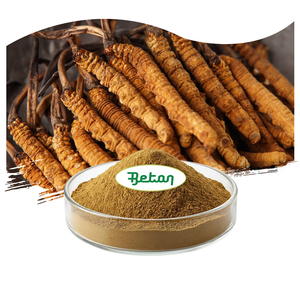

The Spanish market for dietary supplements (*complementos alimenticios*) is governed by rigorous European Union directives transposed into Spanish law, chiefly overseen by the Agencia Española de Seguridad Alimentaria y Nutrición (AESAN). Operating under Real Decreto 1487/2009 and its modifying statute Real Decreto 130/2018, commercialising botanical and functional ingredients in Spain requires profound adherence to national permitted substance lists, toxicological exposure thresholds, and EU-wide harmonised controls under Regulation (EC) No 1924/2006 on nutrition and health claims.
For international ingredient exporters, supplying the Spanish pharmaceutical and nutraceutical manufacturing sector demands an uncompromised documentation framework. While vitamins and minerals follow the positive lists laid out in Directive 2002/46/EC, botanical preparations operate within a more intricate dual-regulatory dynamic: traditional botanical authorization under royal decrees and cross-border Mutual Recognition (Principio de Reconocimiento Mutuo) governed by Regulation (EU) 2019/515. The Spanish marketplace leans heavily on the shared scientific evaluation framework of the BelFrIt project (Belgium, France, and Italy harmonised botanical lists), making full botanical identity verification, extraction solvent declarations, and precise plant-part characterisations compulsory for any successful product notification in Spain.
Batch rejections at Spanish border inspection posts (*Puestos de Inspección Fronterizo - PIF*) like Valencia, Algeciras, or Barcelona typically stem from three preventable non-conformities: heavy metal exceeding European thresholds under Regulation (EU) 2023/915, pesticide residue variances under Regulation (EC) No 396/2005, or volatile fumigant residues such as Ethylene Oxide (ETO). Our technical export protocols incorporate comprehensive analytical testing matrices validated via ICP-MS, LC-MS/MS, and GC-MS/MS before cargo ever departs the manufacturing floor:
| Hazard Parameter | EU / AESAN Regulatory Ceiling | Our Supply Standard | Analytical Verification Method |
|---|---|---|---|
| Lead (Pb) | ≤ 3.0 mg/kg (ppm) for food supplements | ≤ 1.0 mg/kg (ppm) | ICP-MS (Inductively Coupled Plasma Mass Spectrometry) |
| Cadmium (Cd) | ≤ 1.0 mg/kg (ppm) for botanical preparations | ≤ 0.5 mg/kg (ppm) | ICP-MS Method Ph. Eur. 2.4.27 |
| Mercury (Hg) | ≤ 0.10 mg/kg (ppm) | ≤ 0.05 mg/kg (ppm) | Cold Vapour Atomic Absorption / ICP-MS |
| Ethylene Oxide (Sum ETO + 2-CE) | ≤ 0.01 mg/kg (Reg. EU 2019/1793 & 2022/1396) | < 0.01 mg/kg (Undetectable) | GC-MS-MS Specialized Headspace Extraction |
| Polycyclic Aromatic Hydrocarbons (PAH4) | ≤ 50.0 μg/kg (Sum of BaP, Chry, BbF, BaA) | ≤ 20.0 μg/kg | HPLC-FLD / GC-MS |
| Pesticide Multi-Residue Screen | Regulation (EC) No 396/2005 Default (0.01 ppm) | Full 500+ Compound EU Screened Zero Violation | High-Resolution LC-MS/MS & GC-MS/MS |
The Spanish nutraceutical supply chain features unique commercial channels, primarily bifurcated between the traditional Canal Farmacia (community pharmacies and parapharmacies) and the deeply established Herboristerías y Tiendas Dietéticas (herbalist apothecary shops). Each channel exhibits idiosyncratic preferences regarding ingredient standardization, carrier tolerances, and galenic presentations:
Driven by consumer demand in Madrid and Bilbao, premium pharmacy-only brands formulate adaptogenic supplements targeting mental resilience, cortisol regulation, and circadian balance.
With Barcelona and Valencia serving as epicentres for high-performance sports nutrition brands, formulators demand bio-fermented ergogenic ingredients optimizing ATP production and oxygen uptake.
The Spanish traditional botanical sector demands high-potency, seasonal anthocyanin complexes to support respiratory and immune vitality during Mediterranean winter cycles.
Formulators in Andalusia and Catalonia specialize in Mediterranean skin health, anti-pollution treatments, and photoprotective ingestible nutricosmetics.
The dietary supplement ecosystem across Spain is currently undergoing an unprecedented technological and clinical maturation. Historically dominated by single-herb traditional tinctures and basic vitamin complexes, modern Spanish consumers now exhibit sophisticated purchase drivers prioritizing bio-availability, clinical substantiation, and transparent supply chains. Three dominant macro-trends dictate ingredient demand for Spanish contract manufacturers:
Spain possesses one of the highest life expectancy rates globally. Consequently, formulation requests from Spanish laboratories have pivoted drastically toward cellular longevity, metabolic health, and neuro-protection. Ingredients like Rhodiola Rosea and CS-4 Cordyceps are no longer strictly positioned for athletes; they are being integrated into multi-ingredient geriatric and pre-geriatric cognitive matrices designed to sustain mitochondrial vitality and modulate chronic systemic inflammation without inducing cardiovascular agitation.
Spanish consumers are intensely scrutinizing ingredient labels for synthetic anti-caking agents, synthetic silicon dioxide (E551), and titanium dioxide (banned across the EU). Contract manufacturers (*fabricantes a terceros*) in regions like Castilla-La Mancha and Navarra increasingly mandate botanical powders engineered with natural carriers (e.g., organic acacia gum or brown rice concentrate) or completely free of carrier maltodextrin. Our extracts provide exceptional bulk density (typically 0.45 – 0.65 g/ml) and granular fluidity tailored for high-speed automated encapsulation lines without requiring synthetic lubricating aids.
Unlike markets where mass grocery stores dominate dietary supplement distribution, Spain's distribution relies heavily on trusted recommendations from pharmacists (*recomendación farmacéutica*). Pharmacists require published clinical literature and standardized active percentage claims. Standardizing compounds such as Withanolides to 5% by verified HPLC rather than UV spectrophotometry (which frequently inflates apparent values by up to 300% via non-specific wavelength absorption) has become a baseline qualification criteria for Spanish laboratory procurement heads.
Bridging the gap between direct botanical cultivation and European pharmaceutical validation, our export infrastructure eliminates intermediate trader margins, guarantees traceable integrity, and provides complete assurance against cross-border regulatory interdiction.
Our manufacturing facilities operate under stringent GMP, ISO 22000:2018, and FSSC standards. Every processing corridor maintains certified cleanroom zones (Class 100,000) for spray-drying, milling, and vacuum packing to avert any post-extraction microbiological contamination.
We eliminate analytical ambiguity. Our batch Certificates of Analysis clearly identify the precise assay protocol applied (HPLC, HPTLC, GC-MS, or UV-Vis). For every standardized active, reference standards are calibrated against USP, Ph. Eur., or EDQM analytical reference materials.
Consignments destined for Spain include complete documentation packs: Phyto-Sanitary Certificates, Certificate of Origin (Form A / REX statement), Material Safety Data Sheet (MSDS/SDS per REACH Regulation), Non-GMO, BSE/TSE Free, and Allergen Declarations per Regulation (EU) No 1169/2011.
Formulation R&D requires speed. We supply 50g – 100g pre-shipment evaluation samples directly to Spanish technical laboratories within 3 to 5 business days via express air courier, accompanied by lot-specific testing data to accelerate your pilot stability testing.
Need micro-granulation for direct compression tablets or ultra-fine 120-mesh micronization for instant beverage disperse systems? Our processing suites configure bulk density, particle size distribution, and customized moisture barriers tailored precisely to your production tooling.
Operating direct contract farming networks ensures sustainable wildcrafting and agricultural transparency. Every single production batch is completely backward-traceable to harvest regions, planting dates, and primary drying conditions, ensuring zero supply disruption.
Navigating cross-border transactions, European pharmaceutical standards, and custom logistics requires transparent answers. Below are the operational details Spanish technical buyers ask our export desk most frequently:
Yes. Every batch intended for the European Union undergoes comprehensive multi-residue pesticide screening conducted by ISO 17025 accredited laboratories. We test for over 500 pesticide entities to guarantee complete compliance with Regulation (EC) No 396/2005. A full analytical certificate is shared with your QA department prior to dispatch.
We implement orthogonal testing combining high-performance thin-layer chromatography (HPTLC) fingerprinting with HPLC active quantification. For Rhodiola Rosea, we confirm the presence of both rosavins and salidroside in authentic natural ratios, ruling out adulteration with Rhodiola crenulata. For Ashwagandha, we certify the exclusive use of root material to conform to EU regulatory notifications, rigorously screening out excessive aerial withanolides.
We regularly ship under CIP, CIF, or DAP terms to major Spanish logistics nodes including Madrid-Barajas (MAD) airport for high-priority air shipments (3 to 6 days transit) and the ports of Valencia or Barcelona for maritime containerized cargo (22 to 28 days transit). Consignments arrive with complete commercial invoices, phytosanitary declarations, packing lists, and certified origin documentation to ensure immediate clearance through Spanish Puesto de Inspección Fronterizo (PIF) border checkpoints.
Absolutely. We furnish full technical dossiers (*ficha técnica*) detailing Latin binomial botanical name, plant part harvested, extraction ratio (DER), precise quantification of active marker compounds, solvent residues per Directive 2009/32/EC, absence of nano-materials under Regulation (EU) 2015/2283, and full allergen profiles. This allows your regulatory affairs team to compile and submit AESAN notification files effortlessly.
For standardized botanical extracts and specialized functional powders, our standard commercial MOQ starts at 25 kg, packaged in food-grade, tamper-evident double polyethylene liners secured within hermetic fiber drums. For high-value bioactives, specialized pilot quantities (5 kg to 10 kg) can be accommodated. Essential oils are delivered in UN-certified fluorinated HDPE containers or epoxy-lined aluminum containers (5 kg to 25 kg).
We enforce a zero-tolerance policy regarding Ethylene Oxide fumigation. Our botanical raw materials are sterilized using validated thermal steam sterilization or controlled clean extraction parameters. We certify that our ingredients are non-irradiated and test below the 0.01 mg/kg limit of quantification for both ETO and 2-chloroethanol, adhering strictly to EU border requirements.
Yes. Our standard shelf life for botanical extracts is 24 to 36 months when stored in original unopened packaging away from direct light and moisture. We maintain ongoing accelerated and real-time stability protocols conforming to ICH guidelines (International Council for Harmonisation) to substantiate retest dates and marker retention.
Direct commercial engagement with our international technical export desk. Receive comprehensive batch Certificates of Analysis, full product specifications, sample evaluation shipments, and competitive commercial contracts within 24 hours.
