Every batch is verified by ISO 17025 accredited third-party laboratories with HPLC-validated assays, full EU Maximum Residue Limits (MRL) screening, and destination-specific compliance dossiers.
The Polish market for hepatoprotective botanicals represents one of Central and Eastern Europe’s (CEE) most mature, rigorous, and commercially robust sectors. Known locally as Ostropest plamisty, Milk Thistle (*Silybum marianum (L.) Gaertn.*) is not a novel entity in Poland; it is a foundational phytotherapeutic active backed by decades of clinical familiarity and high consumer health awareness. Polish consumers and healthcare professionals have long relied on standardised silymarin preparations for non-alcoholic fatty liver disease (NAFLD/MAFLD), alcohol-induced hepatotoxicity, toxic liver injury from pharmaceutical metabolites, and chronic dyspeptic complaints.
However, the operational requirements for exporting Milk Thistle extract into the Polish Republic have shifted radically. As an EU member state, Poland enforces rigorous dual-track supervision overseen by the Chief Sanitary Inspectorate (Główny Inspektorat Sanitarny – GIS) for dietary supplements (*suplementy diety*) and the Office for Registration of Medicinal Products, Medical Devices and Biocidal Products (URPLWMiPB) for traditional herbal medicinal products (THMP) and OTC pharmaceuticals. For Polish Contract Development and Manufacturing Organizations (CDMOs), blenders, and brand owners operating across key pharmaceutical hubs in Mazowieckie, Wielkopolska, and Śląskie, botanical raw materials must withstand multi-layered regulatory scrutiny.
As direct primary manufacturers and international exporters, SV Botanica operates an audited botanical supply chain linking India's premier agro-climatic cultivation belts to European border control inspection posts (BCPs). By eliminating broker intermediaries and enforcing pharmaceutical-grade containment, we supply Polish formulators with clean-label, low-pesticide, solvent-controlled Milk Thistle extracts that guarantee uncompromised regulatory pass-through at ports of entry including Gdynia, Gdańsk, and Warsaw Okęcie Cargo.
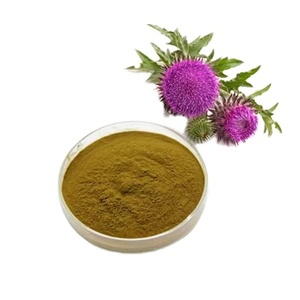
Milk Thistle's therapeutic efficacy resides within its isomeric flavonolignan complex, collectively referred to as silymarin. Extracted primarily from the ripe achenes (seeds) of *Silybum marianum*, the raw material undergoes rigorous de-oiling (removing the 20–30% fatty acid fraction) before hydro-alcoholic or acetone-based solvent fractionation. For the Polish manufacturing sector, SV Botanica provides granularly profiled specifications designed to fulfill varied technological requirements—from high-density direct compression tablet grades to micro-dispersible powders for liquid elixirs.
| Commercial Grade | Botanical Part | Marker Quantification | Assay Method | Extraction Solvent | EU Regulatory Compliance |
|---|---|---|---|---|---|
| Silymarin 80% Ph. Eur. Direct Comp. | Ripe Seed (Achene) | Total Flavonolignans ≥ 80.0% (Silybin A+B: 30.0%–45.0%) |
HPLC (Ph. Eur. 11.0) | Ethanol / Water (70:30) | Full Ph. Eur. / GIS Food Grade |
| Silymarin 98% Ultra-Pure | Dried Seed | Silymarin Complex ≥ 98.0% | UV-Vis / HPLC Verified | Food Grade Acetone / Water | Regulation (EC) 396/2005 Compliant |
| Purified Silybin / Silibinin 90% | Purified Fraction | Silybin (A + B) ≥ 90.0% | HPLC Reversed-Phase | High Purity Aqueous Ethanol | Pharmaceutical & Dermocosmetic |
| Water-Dispersible Silymarin 40% | Seed Extract Complex | Silymarin ≥ 40.0% (Fast Release) | HPLC (USP Monograph) | Hydro-alcoholic (Maltodextrin Carrier) | Beverage & Sachet GIS Compliant |
A critical divergence in raw material qualification across Polish testing laboratories involves residual solvent safety. Under Directive 2009/32/EC and Ph. Eur. 5.4, solvent residue ceilings must not exceed strict thresholds (Class 3 solvents such as Ethanol must remain under 5000 ppm; Acetone under 5000 ppm; while Class 2 solvents like Methanol must remain below 3000 ppm). SV Botanica operates an automated vacuum distillation recovery setup, guaranteeing finished silymarin batches with ethanol residuals routinely below 500 ppm and complete non-detection of chlorinated or aromatic hydrocarbons.
The operational landscape for botanical utilisation in Poland spans far beyond simple mono-preparation health tablets. Sourcing managers must match particle sizing, tap density, flowability, and excipient compatibilities to specialized manufacturing pipelines:
Dominating the retail sales in Polish apteka (pharmacy) chains such as DOZ, Ziko, and Dr. Max. Formulated into hard gelatin/HPMC two-piece capsules, enteric-coated tablets, and liposomal softgels. SV Botanica’s 80 mesh free-flowing powder prevents tablet friability and capping in high-speed rotary presses like Fette and Bosch common in Polish CDMO plants.
Polish health formulations frequently combine Silymarin with complementary botanical extracts to deliver multi-target metabolic and hepatic support. Popular multi-ingredient stacks in Poland include Milk Thistle with Cynara scolymus (Artichoke), Turmeric (95% Curcuminoids), Choline Bitartrate, and Phospholipids (Phosphatidylcholine) for enhanced bio-accessibility.
Poland represents one of Europe's top six cosmetic manufacturing hubs. Silybin's recognized antioxidant potency, anti-erythema characteristics, and inhibitory actions on lipid peroxidation make it a prized active for Polish anti-aging creams, rosacea soothe serums, and solar protection formulations seeking natural protective claims.
Poland boasts an extensive agricultural infrastructure and a surging companion pet wellness market. De-oiled milk thistle meal and standardized silymarin extracts are widely incorporated into premixes for poultry, swine, and dairy cattle to mitigate aflatoxicosis, as well as premium veterinary supplements targeting canine hepatic recovery.
Modern Polish beverage formulators are pivoting toward ready-to-drink (RTD) functional beverages and water-soluble effervescent tablets targeting post-exercise revitalization and lifestyle recovery. SV Botanica provides specialized micro-encapsulated, water-dispersible silymarin formulations eliminating precipitation and bitter astringency.
Poland has an entrenched tea-drinking heritage where traditional medicinal herbs (zioła) maintain immense domestic market share. In addition to powdered standardized extracts, we export sorted, cleaned, and steam-sterilized whole and cracked *Fructus Cardui Mariae* seeds compatible with commercial high-speed teabag bagging machines.
Entering the Polish nutritional market demands an uncompromising commitment to European Union safety directives. Polish regulatory bodies, particularly Główny Inspektorat Sanitarny (GIS), actively deploy rigorous post-market surveillance. Consignments originating from overseas manufacturers must arrive equipped with complete, audit-proof traceability dossiers to protect importers against regulatory recalls, border impoundment, or financial penalties.
Pursuant to Article 29 of the Polish Act on Food and Nutrition Safety, introducing a new dietary supplement into Poland requires electronic notification to the Chief Sanitary Inspectorate. GIS reviews quantitative and qualitative compositions, botanical nomenclature (*Silybum marianum*), and standardisation claims. Inconsistencies between the submitted packaging declaration (e.g. "Silymarin 80% calculated as Silybin") and the underlying Certificate of Analysis (CoA) will result in administrative inquiry or registration suspension. SV Botanica provides pre-aligned, destination-tailored CoAs specifying both chromatographic methodology and isomer distribution, streamlining immediate GIS submission acceptance.
Under Implementing Regulation (EU) 2019/1793, European import authorities conduct stringent controls for Ethylene Oxide (ETO) contamination across imported plant extracts. ETO is strictly banned in the EU as a sterilizing agent for food ingredients. SV Botanica utilizes exclusively high-temperature short-time (HTST) dry steam sterilization or gamma radiation protocols upon client request. Every export lot destined for Poland is pre-tested by accredited laboratories via GC-MS/MS, certifying total ETO (sum of ethylene oxide and 2-chloroethanol expressed as ethylene oxide) at levels well below the limit of quantification (LOQ < 0.02 mg/kg).
Poland enforces compliance with Regulation (EU) 2023/915 concerning maximum levels for certain contaminants in foodstuffs. For botanical dietary supplements, limits are uncompromisingly rigid:
| Contaminant Category | Target Analyte | EU Regulatory Ceiling (Reg. EU 2023/915) | SV Botanica Typical Batch Release | Analytical Instrument |
|---|---|---|---|---|
| Heavy Metals | Lead (Pb) | ≤ 3.0 mg/kg (ppm) | < 0.5 mg/kg | ICP-MS |
| Heavy Metals | Cadmium (Cd) | ≤ 1.0 mg/kg (ppm) | < 0.1 mg/kg | ICP-MS |
| Heavy Metals | Mercury (Hg) | ≤ 0.10 mg/kg (ppm) | < 0.02 mg/kg | ICP-MS |
| Heavy Metals | Inorganic Arsenic (As) | ≤ 1.0 mg/kg (ppm) | < 0.2 mg/kg | ICP-MS |
| Polycyclic Aromatic Hydrocarbons | Benzo[a]pyrene | ≤ 10.0 μg/kg (ppb) | < 1.0 μg/kg | GC-MS / HPLC-FLD |
| PAH 4 Sum | Chrysene, Benz[a]anthracene, etc. | ≤ 50.0 μg/kg (ppb) | < 5.0 μg/kg | GC-MS / HPLC-FLD |
| Mycotoxins | Aflatoxins (B1 + B2 + G1 + G2) | ≤ 10.0 μg/kg (ppb) | < 2.0 μg/kg (Absent) | LC-MS/MS |
Agricultural consignments entering Polish logistics corridors must demonstrate non-detect or strict compliance with more than 500 individual pesticide active substances defined under Regulation (EC) No 396/2005. Because Milk Thistle is an agricultural commodity vulnerable to regional pests, we operate a contracted agricultural monitoring program across our contract farming regions. Raw achenes are pre-screened prior to extraction, preventing pesticide concentration effects during hydro-alcoholic maceration.
As an established global exporter based in Nashik, Maharashtra, India, SV Botanica bridges the gap between cost-effective, high-volume botanical harvesting and the strict, unyielding quality expectations of European pharmaceutical manufacturers. Sourcing Milk Thistle extract directly from our processing facilities provides verified strategic advantages:
Our extraction infrastructure is backed by international certifications including GMP, ISO 9001:2015, ISO 22000:2018, HACCP, and central statutory licencing from FSSAI and APEDA. Unlike multi-tiered brokerage houses that blend mixed origins, our production flow maintains full batch identity preservation back to farmer collection lots.
Registered Indian Exporter with fully authorized regulatory identifiers:
Technical Audit Support: We supply Polish QA and Regulatory Affairs managers with complete Supplier Qualification Questionnaires, Process Flow Charts, Allergen & Non-GMO Declarations, TSE/BSE Statements, and REACH compliance certifications.
Direct technical responses addressing common procurement, testing, customs, and regulatory queries encountered by Polish buyers when sourcing Milk Thistle extract from SV Botanica.
Direct from Nashik to Gdynia, Gdańsk, and Warsaw. Partner with an established primary exporter capable of delivering method-stated assays, zero-ETO compliance, and guaranteed continuity of supply for your dietary supplement and pharmaceutical production schedules.