Direct bulk factory supply with rigorous validation for heavy metals (ICP-MS), residual solvents, microbiological purity, and Japanese MHLW Positive List compliance.
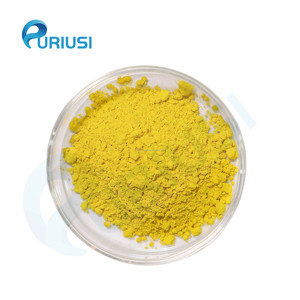
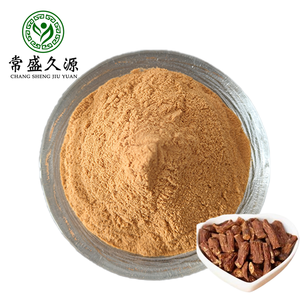
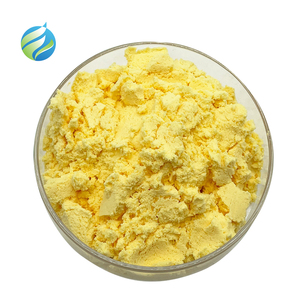
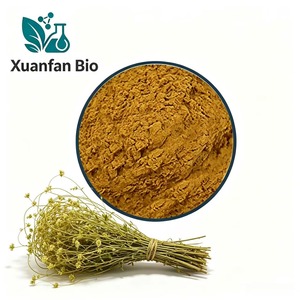
Standardised Botanical Actives
Batch HPLC / GC-MS Traceability
Regulatory Dossier Turnaround
Flexible Pilot-to-Commercial MOQ
Customizing extraction polarity, mesh distribution, and biological affinity to integrate flawlessly with advanced Japanese consumer formulations.
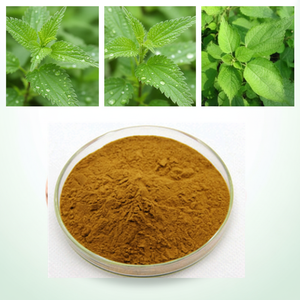
In Tokyo's competitive convenience and vending ecosystems, sediment-free clarity is mandatory. Our 100% water-soluble dandelion and nettle extracts withstand UHT thermal processing without precipitation, cloudiness, or astringent aftertaste, maintaining optical transparency across a broad pH spectrum.
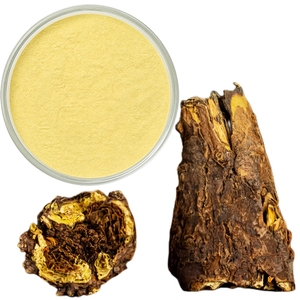
Japanese cosmetic brands in Ginza and Omotesando require uncompromising purity. Our Scutellaria (Ougon) root baicalin extract serves as a potent anti-glycation and anti-inflammatory active, meeting strict limits for heavy metals (Pb < 2 ppm, As < 1 ppm) and delivering exceptional compatibility with micro-emulsion serums.
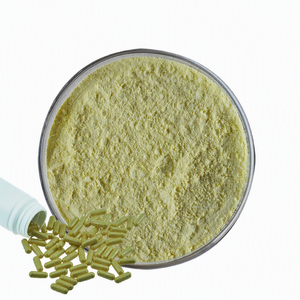
Addressing the wellness needs of Tokyo's corporate professionals, our Dihydroberberine (DHB) powder delivers up to 5x higher intestinal absorption than traditional berberine hydrochloride. Formulated for small-profile enteric softgels, tablets, and stick-packs catering to post-prandial glycemic management.
Strategic analysis of changing import standards, consumer trends, and compliance hurdles under the Japanese Ministry of Health, Labour and Welfare (MHLW).
Sourcing botanical raw materials for the Tokyo metropolitan manufacturing hub requires an intimate understanding of Japan's Pharmaceutical Affairs Act and the Ministry of Health, Labour and Welfare (MHLW) regulatory demarcations. In Japan, natural ingredients are strictly categorized under the "Yaku-Shoku-Kubu" (Classification of Drugs and Non-Drugs). A botanical extract permitted as a dietary supplement in North America or the European Union may be legally classified as a drug (専ら医薬品として使用される成分本質) in Japan based on the specific plant part used, the extraction solvent, or the concentration of active markers.
Our OEM/ODM manufacturing protocols prioritize these statutory boundaries. We provide botanical extracts strictly derived from designated non-drug plant parts (such as utilizing specific aerial structures or purified seed fractions rather than prohibited root portions where applicable) accompanied by detailed botanical authentication certificates (including DNA barcoding and macroscopic/microscopic TLC profiles). Furthermore, Japan's Positive List System for agricultural chemical residues establishes uniform default limits of 0.01 ppm for unregistered compounds. Our production process incorporates advanced supercritical CO2 extraction, macroporous resin purification, and molecular distillation to ensure all materials easily conform to these rigorous pesticide thresholds.
Since the Consumer Affairs Agency (CAA) launched the Foods with Function Claims (FFC) system, the Japanese dietary supplement space has pivoted away from vague wellness claims toward scientifically validated, single-marker efficacy. For Tokyo manufacturers to file an FFC notification successfully, they must submit either clinical trials conducted on the finished formulation or a systematic literature review (SR) confirming the bioactivity of the functional marker substance (関与成分).
As an OEM/ODM manufacturing partner, we deliver batch-to-batch consistency that matches clinical baseline data. Whether supplying Dihydroberberine for glucose metabolism, Baicalin from Scutellaria root for cellular longevity, or specific polyphenolic fractions, we assure identical peak symmetry and retention times on high-performance liquid chromatography (HPLC). Our technical dossiers include complete chromatographic fingerprints, structural identification, and validated analytical methodologies, significantly shortening the development and submission timeline for Japanese FFC filings.
Tokyo's discerning consumer market increasingly demands "Clean Label" transparency. The Japanese cosmetic and food industries enforce strict limitations on Class 1 and Class 2 residual extraction solvents. Many international manufacturers rely on cost-efficient organic solvents such as dichloromethane, hexane, or methanol; however, premium Japanese brands require green processing routes. We operate closed-loop extraction facilities utilizing food-grade ethanol and deionized pure water (hydro-alcoholic processes) or pure supercritical CO2 extraction.
Every shipment bound for Yokohama or Tokyo Port is supplied with headspace gas chromatography (HS-GC) analytics verifying that solvent residues are substantially below the stringent thresholds defined by the Japanese Pharmacopoeia (JP XVII). We also supply non-irradiated, carrier-free (or native dextrin/rice fiber carrier) options to align with organic and clean-label formulation trends across Shibuya, Shinjuku, and Chuo-ku brand headquarters.
Decades of industrial biotechnology expertise engineered to deliver flawless compliance for international trade.
Processing plants certified under cGMP, ISO 9001, ISO 22000, and FSSC standards, featuring class-100,000 cleanrooms for spray drying, blending, and vacuum packaging to ensure zero cross-contamination.
Equipped with Agilent HPLC, Shimadzu GC-MS, and PerkinElmer ICP-MS instruments. Every batch undergoes exhaustive screening for heavy metals (Pb, Cd, Hg, As), residual pesticides (MRL 500+ panel), and microbiology.
Specialized physical processing including fluid-bed granulators, micro-pulverization down to 200 mesh, roller compaction for direct-compression tableting, and spray-dried microencapsulation for masking bitter botanical notes.
We guarantee 100% ethylene oxide-free sterilization. Raw materials are decontaminated using dry steam or controlled non-thermal physical barriers, fully compliant with international bio-safety mandates.
We supply full validation paperwork: Certificate of Analysis (CoA) with declared analytical methods, Technical Data Sheets (TDS), Safety Data Sheets (SDS), Non-GMO, BSE/TSE-Free, and Allergen declarations.
Established freight channels to Tokyo (Haneda/Narita) and maritime logistics into Tokyo Port and Yokohama. Typical airfreight lead time is 3–5 business days, with full customs clearance and quarantine pre-screening.
Detailed technical, regulatory, and logistics answers addressing common inquiries from Tokyo QA/QC and procurement directors.
We operate an upstream contract-farming network with strict GAP (Good Agricultural Practices) controls, eliminating unauthorized synthetic agrochemicals. Prior to batch release, every lot intended for Japan undergoes multi-residue pesticide screening using LC-MS/MS and GC-MS/MS testing against over 500 individual compounds, guaranteeing residues remain well below the 0.01 ppm default limit or specific Japanese MRL thresholds.
Yes. Our laboratory can perform cross-validation testing matching your exact QC specifications. On each Certificate of Analysis (CoA), we explicitly document the column chemistry, mobile phase composition, wavelength, flow rate, and standard reference material (USP, EP, or JP standards). We provide reference chromatograms demonstrating peak resolution and purity to eliminate analytical discrepancies during inbound quarantine testing in Japan.
We supply a comprehensive Botanical Identity & Origin Dossier. This package includes verified Latin binomial nomenclature, taxonomic family identification, macroscopic and microscopic tissue identification, DNA barcoding validation, and explicit confirmation of the morphological plant parts harvested (e.g., folium, semen, or rhizoma). This dossier provides Tokyo import brokers and quarantine officials with ironclad proof of non-drug status.
For trial formulations, R&D pilot batches, and stability testing, we supply 100g to 1kg pre-shipment evaluation samples dispatched via DHL/FedEx directly to Tokyo within 3 to 4 business days, complete with lot-specific CoAs. Commercial MOQs start at 25 kg in double-polyethylene lined fiber drums, scaling up to full container loads (FCL) with maritime delivery directly to Tokyo or Yokohama Port within 10 to 14 days.
Absolutely. We formulate customized extract profiles to match your processing parameters. Options include carrier-free native powders, customized maltodextrin/organic acacia carriers, customized particle size distributions (from coarse granulates for direct tableting to 200 mesh for RTD beverage suspension), and cyclodextrin inclusion complexes to neutralize bitter botanical astringency while preserving bioavailability.
Connect directly with our senior phytochemistry and international regulatory export team. Receive complete analytical data, reference chromatograms, and pilot trial samples dispatched to your laboratory within 24 hours.
Get a Quote