
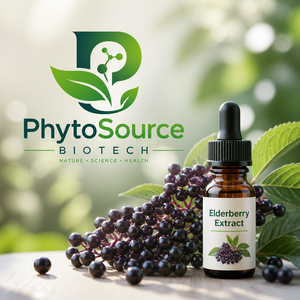
Standardization: 25% Anthocyanins (UV/HPLC)
Form: Free-flowing micro-powder
Specification File
Form: Free-flowing micro-powder
Laboratory-assayed active compounds guaranteed to satisfy European pharmacopoeia specs, complete with full batch Certificate of Analysis (CoA), validated extraction solvent tracking, and validated origin files.
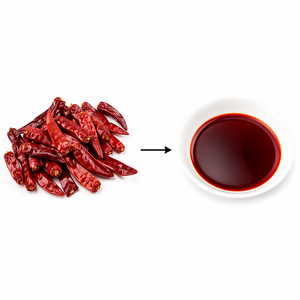
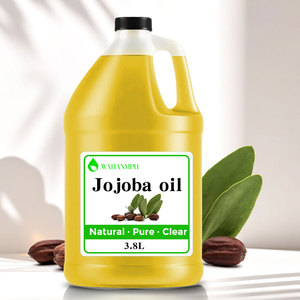
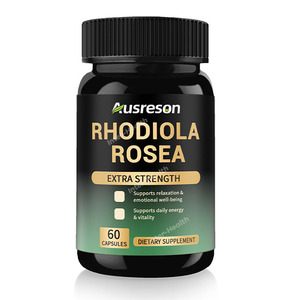
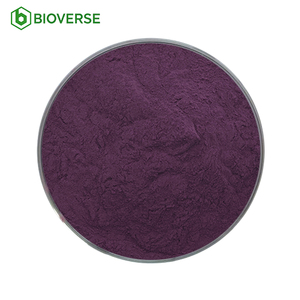
Danish life science brands, clinical contract packagers, and clean-label functional food processors in Copenhagen, Aarhus, and the Medicon Valley corridor require distinct analytical profiles.
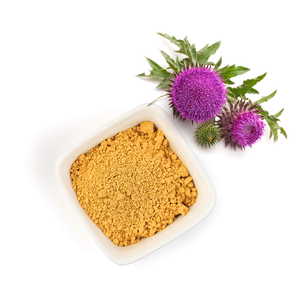
In Denmark, consumer health spending prioritizes clinically substantiated adaptogens and metabolic balance. Our Milk Thistle (80% Silymarin via HPLC) and Rhodiola Rosea (3:1 Rosavin-to-Salidroside ratio) are routinely specified by contract development and manufacturing organizations (CDMOs) for hard capsules, bio-available lipid suspension beadlets, and dry micro-granulation tablets targeting immune response, cognitive balance, and cellular liver support.
Denmark's retail space demands 100% water-soluble fruit and herb profiles without synthetic preservatives or chemical dispersants. Our water-soluble Sambucus Nigra (Elderberry Anthocyanins 25%) dissolves crystal-clear without sedimentation, serving as an active botanical and a clean-label natural coloring matrix for kombuchas, isotonic recovery beverages, and health drops compliant with EU Reg (EC) 1333/2008.
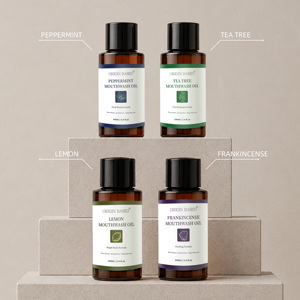
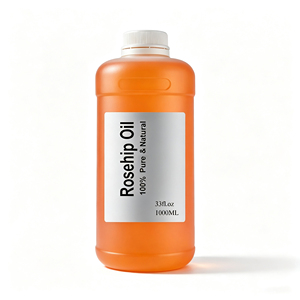
Danish personal care manufacturers lead Europe in organic, cold-climate barrier formulations. Our cold-pressed virgin Rosehip Seed Oil and virgin Golden Jojoba Oil serve as lipid-phase carriers high in unadulterated polyunsaturated fatty acids (PUFA), delivering restorative omegas and natural tocopherols to formulations carrying Nordic Swan Ecolabel and Cosmos Ecocert certifications.
How rigorous Scandinavian sustainability targets, EU micro-pollutant laws, and the Danish green transition are reshaping raw material qualifications.
The Danish Veterinary and Food Administration (Fødevarestyrelsen) has elevated its monitoring of solvent residues, strictly auditing hydrocarbon extraction agents. Sourcing protocols now favor supercritical CO₂ and certified grain ethanol-derived botanicals. Our facilities utilize green solvent cycles that limit residual traces well beneath Directive 2009/32/EC ceilings.
Danish corporate sustainability mandates require end-to-end documentation from farm lot to shipping container. B2B buyers audit carbon emissions, ethical wildcrafting, and chemical run-off at the cultivation source. We provide audited cultivation traceability certificates, proving sustainable cultivation and social compliance throughout our supply chains.
Following high-profile recalls across the European Union, Danish QA bodies conduct intense GC-MS/MS testing for Ethylene Oxide and 2-Chloroethanol, alongside Polycyclic Aromatic Hydrocarbons (PAHs). Our validated botanical processing protocol eliminates thermal degradation and chemical fumigation, ensuring 100% non-ETO botanical integrity.
Incoming QA parameters for batch release under EU Regulation (EC) 396/2005, (EU) 2023/915, and European Pharmacopoeia (Ph. Eur.) standards.
| Test Dimension | Danish / EU Standard | Our Batch Testing Protocol | Operational Value for Buyer |
|---|---|---|---|
| Pesticide Multiresidue | Regulation (EC) No 396/2005 | GC-MS/MS & LC-MS/MS screening for 500+ compounds | Eliminates risk of port detention at Copenhagen or Aarhus customs. |
| Heavy Metal Limits | Reg (EU) 2023/915 (Pb, Cd, Hg, As) | ICP-MS instrumentation tested to ppb level sensitivity | Complies with infant-grade and high-purity medical-grade dietary formulations. |
| Fumigants (ETO & 2-CE) | EU Border Target: < 0.05 mg/kg | Verified by GC-MS; zero ethylene oxide treatment | Exempts lots from rapid alert notifications (RASFF) and recall risks. |
| Assay Validation | Ph. Eur. / USP Reference Standard | Validated HPLC, UV-Vis, or GC matching specific marker compounds | Ensures incoming QC at client facilities validates stated potencies identically. |
| Microbiological Panel | EP 5.1.8 Category B limits | Total Plate Count, Yeast & Mould, Salmonella, E. Coli, Listeria | Safeguards clean-label functional beverages and cold-process blends. |
Direct manufacturer execution, specialized certifications, and dedicated European export compliance teams.
Our extraction centers operate under cleanroom HVAC filtration, state-of-the-art closed-loop stainless steel reactors, and rigorous sanitation routines. Every batch is manufactured according to internationally recognized Good Manufacturing Practice (GMP) standards, certified with ISO 22000, HACCP, and FSSAI Central Licences.
Through integrated contract farming clusters and sustainable direct-origin collection networks, we control botanical purity from raw biomass harvest to secondary isolation. We provide exact botanical nomenclature, harvest dates, solvent traces, and single-origin batch dossiers for every kilogram imported into Denmark.
We eliminate analytical discrepancy before shipping. Whether your quality control protocols employ specific UHPLC marker reference libraries or gravimetric saponin quantifications, our analytical chemists verify our lots against your exact method profile. Pre-shipment samples ship with comprehensive CoAs for immediate bench validation.
Direct answers concerning regulatory compliance, import duty handling, testing standards, and logistics into the Nordic territory.
Every consignment destined for Denmark is tested via high-resolution Inductively Coupled Plasma Mass Spectrometry (ICP-MS) against the latest European Union maximum residue standards. We furnish lot-specific quantitative results for lead (Pb), cadmium (Cd), mercury (Hg), and inorganic arsenic (As), ensuring your shipment meets both European Commission parameters and local Danish requirements.
Yes. Neither our raw materials nor our finished standardized powders undergo ethylene oxide treatment, irradiation, or toxic chemical disinfection. We routinely furnish third-party accredited laboratory certificates proving levels below the limit of quantification (LOQ < 0.05 mg/kg or < 0.01 mg/kg depending on matrix), preventing border holds or Rapid Alert System for Food and Feed (RASFF) alerts.
Our standard starting MOQ for standardized herbal powders, cold-pressed oils, and concentrated oleoresins is 25 kg packed in double-lined, tamper-evident food-grade fibre drums. For stocked products, export dispatch occurs within 5–10 business days, followed by air freight arrival at Copenhagen Airport (CPH) within 3–5 working days, or consolidated ocean delivery via Aarhus or Gothenburg ports.
Yes. Prior to commercial commitment, our technical desk furnishes an export qualification pack: signed batch Certificate of Analysis (with stated analytical methods), Safety Data Sheet (SDS) conforming to REACH (EC) 1907/2006, Technical Data Sheet (TDS), Flow Chart, Origin Certificate, Non-GMO declaration, Allergen status statement, and TSE/BSE risk profile.
UV-Vis spectrophotometry evaluates total absorption at a given wavelength, often capturing related polymers or degradation products, which tends to yield higher total readings. HPLC provides chromatographic separation, isolating specific marker peaks (e.g., pure Curcumin I, II, III or isolated Withaferin A). We state the precise method used on our documentation to ensure your receiving lab validates identical potencies.
Absolutely. We formulate custom extractions utilizing 100% pure demineralized water or varied ethanol/water ratios. We also accommodate carrier preferences—offering organic tapioca maltodextrin, acacia gum, or entirely excipient-free powders tailored specifically to clean-label formulations across the Danish retail and pharmacy sectors.
Avoid border delays and analytical discrepancies by defining these core criteria in your technical inquiry:
Confirm the exact Latin binomial and morphological part (e.g., Sambucus nigra L. - Fructus vs. Flos). Plant organs differ fundamentally in active chemical constituent ranges, bio-availability profiles, and EU regulatory acceptance.
Define target percentages and specify analytical methodology (e.g., Silymarin 80% by UV vs. Silymarin 60% by HPLC). Matching your receiving facility's testing methodology prevents false specification failures.
Clarify whether a 100% aqueous, ethanolic, or hydro-alcoholic extraction solvent is required. For clean-label and Nordic Swan Ecolabel formulations, petroleum ether, hexane, or methanol extractions are strictly avoided.
State your mechanical powder flow and bulk density requirements. Capsule filling lines generally demand an 80-mesh powder, whereas functional liquid applications require ultra-micronized, rapidly dispersible granulates.
Provide target ceilings for yeast, mould, and aerobic plate counts. If intended for ready-to-drink beverages or cold dietary blends, advanced microbiological controls ensure process safety without irradiation.
Specify container packaging formats (25 kg nitrogen-flushed drums, HDPE containers, or custom batch pre-weighed packaging). Advance forecasting allows reserved harvests and consistent year-round supply stability.