Direct supply from GMP, ISO, and HACCP-certified production facilities. Fully batch-tested with HPLC, GC-MS, and ICP-MS testing certificates ready for Brazilian import clearance.
A rigorous examination of supply chain integrity, chemical authenticity, and regulatory synchronization for Brazilian formulators and distributors.
"In the competitive landscape of Brazilian cosmetics, phytopharmaceuticals, and personal hygiene products (HPPC), raw material sourcing has shifted definitively from transactional spot-buying to audited, chemically validated supply networks. Brazilian brand owners require total purity verification to satisfy ANVISA standards while ensuring formulation stability under Latin America's diverse climatic conditions."
Brazil stands as one of the world's most sophisticated personal care, hair cosmetics, and wellness markets. With domestic consumers demanding heightened ingredient transparency, clean-label botanical ingredients, and clinical efficacy, procurement directors at leading manufacturing labs in São Paulo, Rio de Janeiro, Curitiba, and Natura-dense industrial corridors face unprecedented challenges. While Brazil possesses a rich native biodiversity through Amazonian biomes, industrial manufacturers heavily rely on high-purity imported essential oils, specialized carrier waxes like cosmetic cold-pressed Jojoba oil, and clinically standardized adaptogenic compounds such as Boswellia Serrata acids, high-anthocyanin Elderberry extracts, and Cordycepin mycelium isolates.
Supplying essential oils and active phytocompounds into Brazil requires a specialized manufacturer capable of providing multi-instrumental analytical data: Gas Chromatography-Mass Spectrometry (GC-MS) for volatile terpenoid profiles, High-Performance Liquid Chromatography (HPLC) for non-volatile active compounds, and Inductively Coupled Plasma Mass Spectrometry (ICP-MS) for heavy metal quantification. Every batch must cleanly pass both international ISO/GMP requirements and the distinct sanitary inspection frameworks enforced by the Agência Nacional de Vigilância Sanitária (ANVISA) and the Ministério da Agricultura e Pecuária (MAPA).
How Brazilian product development laboratories utilize our pharmacopoeial-grade essential oils and concentrated extracts in commercial formulations.
Brazil is the global epicentre for specialized haircare, notably curl retention (cabelos crespos e cacheados), post-straightening recovery, and scalp microbiome balancing.
Brazilian dermatological skincare requires high-potency photoprotective, barrier-restoring, and hyperpigmentation-mitigating raw materials tailored to tropical UV levels.
Aligning with ANVISA RDC 243/2018 guidelines for dietary supplements, where exact bioactive compounds must be declared and strictly measured.
Critical macro factors driving specification upgrades and regulatory scrutiny among Brazilian buyers in 2025–2030.
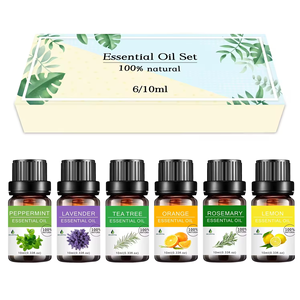
Major Brazilian cosmetics brands are systematically eliminating synthetic aromas and phthalate-bearing fragrance fixatives. Pure chemotyped essential oils (Lavender, Frankincense, Tea Tree, Eucalyptus) are now direct active functional ingredients, serving dual roles as natural aromatics and skin actives.
ANVISA's updated framework for personal hygiene and cosmetic products enforces rigorous toxicological limits. Importers are legally liable for heavy metal contaminants (Arsenic, Lead, Cadmium, Mercury). Brazilian QA directors now mandate ICP-MS testing data before consignments depart origin ports.
Adulteration of expensive essential oils with synthetic petrochemical solvents or cheap carrier dilutions (DEP, mineral oil) has plagued Brazil's commercial channels. Buyers increasingly contractually enforce chiral GC-MS testing to confirm enantiomeric ratios and natural plant derivation.
Port clearance through Santos (SP) or Paranaguá (PR) presents logistical exposure to tropical heat and customs humidity. Industrial procurement teams are prioritizing suppliers packaging in nitrogen-flushed food-grade drums and fluorinated HDPE containers that protect against oxidative degradation.
Comparative benchmarks for key botanical compounds exported to Brazilian laboratories.
| Botanical / Product | Bioactive Marker | Assay Method | Plant Part / Solvent | ANVISA Common Classification | Primary Industrial Utility |
|---|---|---|---|---|---|
| Sambucus Nigra L. (Elderberry) | ≥ 25.0% Anthocyanins | UV-Vis Spectrophotometry | Ripe Fruit / Ethanol-Water | Suplemento Alimentar / Alimentos | Immune system fortifier, natural antioxidant pigment |
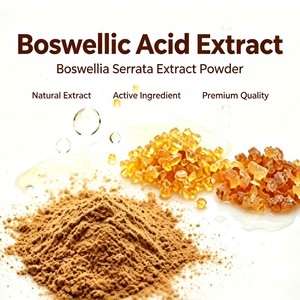
| Boswellia Serrata (Frankincense) | ≥ 65.0% Boswellic Acids | Titration / HPLC | Gum Oleoresin / Hydro-Alcoholic | Cosmético Grau 2 / Suplemento | Topical anti-aging, cellular matrix protection |
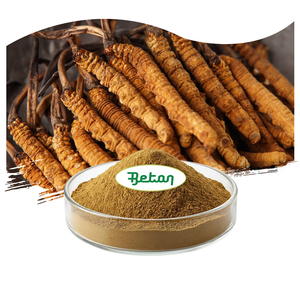
| Cordyceps Militaris (Cordycepin) | 1.0% – 3.0% Cordycepin | HPLC (Isocratic Reversed-Phase) | Cultivated Fruiting Body / Aqueous | Suplemento Nutracêutico | Mitochondrial energy enhancement, adaptogenic formulas |
| Paecilomyces Hepiali CS-4 | Adenosine ≥ 0.2%, Polysaccharides | HPLC / UV | Fermented Mycelium / Water | Ingrediente Funcional | Cellular longevity, endurance booster, sports nutrition |
| Taraxacum Officinale (Dandelion) | 10:1 to 30:1 Standardized Ratio | TLC / Gravimetric | Dried Taproot / Water-Ethanol | Chás Solúveis / Fitoterápicos | Hepatic flush, digestive and fluid balance capsules |
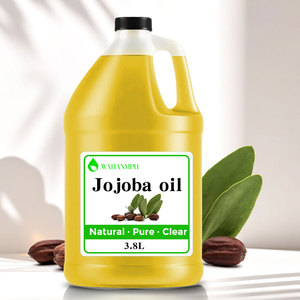
| Simmondsia Chinensis (Jojoba) | Gadoleic / Erucic Wax Esters | GC-FID (Fatty Acid Profile) | Cold Pressed Virgin Seeds / Hexane-Free | Ingrediente Cosmético Grau 1/2 | Biomimetic sebum repair, luxury hair treatment carrier |
| Therapeutic Essential Blends | Linalool, Pinene, Limonene, 1,8-Cineole | Chiral GC-MS Profile | Steam Distillation (Leaves/Flowers) | Aromaterapia / Perfumaria Fina | Clinical spa protocols, organic functional fragrance |
Combining primary farming origin networks with pharmaceutical processing and seamless Mercosur logistics.
Navigating Brazil's customs authority (Receita Federal) and ANVISA requires specialized export paperwork. We provide full Technical Data Sheets (TDS), Safety Data Sheets in Portuguese/English (MSDS/FISPQ), Certificates of Analysis (CoA) with stated assay methodology, Phytosanitary certificates, and Declarations of Origin to prevent clearance halts.
Every single batch bound for Brazil undergoes rigorous screening in accredited third-party laboratories. Our panels cover heavy metals by ICP-MS (Pb, Cd, As, Hg), pesticide multi-residue screening (complying with EU MRLs and Brazilian Pharmacopoeia requirements), microbiological assays, and Ethylene Oxide (ETO) non-treatment verification.
Whether you require consolidated air shipments directly landing at São Paulo/Guarulhos (GRU) or Viracopos (VCP) for urgent R&D batches, or full 20ft/40ft maritime containers arriving at the Port of Santos or Itajaí, we handle ocean freight coordination, specialized packaging, and palletized drum securing designed for equatorial transit.
Clear, commercially minded answers addressing Brazilian regulatory oversight, tax implications, and quality checks.
We provide full dossier documentation matching ANVISA Grau 1 (notificação simples) and Grau 2 (registro técnico) standards. This includes full Certificates of Analysis stating specific analytical methods, complete qualitative and quantitative compositions, MSDS/FISPQ in Portuguese or English, statements verifying absence of prohibited animal substances, and batch-specific heavy metal/microbial test results.
Yes. If your Brazilian business possesses an active RADAR (Registro e Rastreamento da Atuação dos Intervenientes Aduaneiros) with the Receita Federal via Siscomex, you can directly import our botanical oils and extracts under your company's CNPJ. We furnish the necessary Commercial Invoice, Packing List, Certificate of Origin, and Air Waybill (AWB) or Ocean Bill of Lading (B/L) calibrated to match your NCM (Nomenclatura Comum do Mercosul) tariff classification.
Every commercial batch is tested using high-resolution Gas Chromatography paired with Mass Spectrometry (GC-MS). Our analytical chemists cross-examine specific retention indices and peak distributions to confirm that primary active constituents fall precisely within natural chemotypic ranges. We strictly certify that our essential oils contain zero synthetic fillers, mineral oils, synthetic limonene, or synthetic linalool.
Our baseline MOQ typically begins at 25 kg for high-value botanical extract powders (such as Cordycepin or Boswellic Acid) and 25 kg / 25 L for pure essential and cold-pressed oils. For large-scale cosmetic and shampoo production, we scale seamlessly into 190 kg / 200 L epoxy-lined steel drums and 1,000 L IBC totes. Pre-shipment samples (100g to 500g) are readily dispatched for R&D and pilot lab validation.
We most commonly trade under CIF (Santos, Paranaguá, or Itajaí) and CFR for maritime freight, or CIP (São Paulo GRU / Campinas VCP) for air cargo. We also support standard FOB Mumbai or Nhava Sheva (JNPT) terms if your procurement organization operates an existing consolidated freight forwarding agreement with global carriers.
Cross-equatorial transport presents real oxidative risks. We use food-grade, nitrogen-purged interior liners inside heavy-gauge steel drums to displace ambient oxygen for oxidation-sensitive oils. High-anthocyanin powders (like Elderberry) are double-bagged with food-grade desiccants in heat-sealed aluminum foil envelopes protected by fiber outer drums to preserve bioactive assay values.
Consult with our technical sales and regulatory desk regarding batch availability, customized marker assays, sample dispatch, and complete ANVISA registration dossiers. We provide definitive quotations and Certificates of Analysis within 24 hours.
Contact Us