
Organic Ashwagandha
Withania somnifera (L.) Dunal
2.5% to 5.0% WithanolidesWater or organic hydro-ethanolic extraction. Verified root-only feedstock without leaf adulteration; rigorously screened for cytotoxic Withaferin A ratios.
In an era where algorithmic supply-chain audits, rigorous chromatography verification, and stringently enforced international import controls dictate market access, procurement professionals face unprecedented operational challenges. Sourcing authentic organic botanical extracts requires far more than generic paper certifications; it demands full genomic and botanical traceability, clean-label green extraction technologies, and unyielding compliance with European Union Maximum Residue Limits (EU MRLs), FDA Foreign Supplier Verification Programs (FSVP), and ethylene oxide (EtO) bans.
SV Botanica bridges direct regenerative agricultural ecosystems with state-of-the-art cGMP extraction infrastructure in Nashik, Maharashtra. We deliver 100% batch-verified, standardized organic plant extracts to international dietary supplement formulators, pharmaceutical innovators, and clean-label functional food manufacturers across the US, Europe, and Asia-Pacific.
Procuring organic botanical extracts requires rigorous alignment between clinical bio-efficacy, clean solvent processing, and verified chromatographic standardisation. Below are our highest-velocity certified organic botanical ingredients manufactured for dietary supplement capsules, direct-blend tableting, effervescent powders, and clean-label cosmetic formulations.
Withania somnifera (L.) Dunal
2.5% to 5.0% WithanolidesWater or organic hydro-ethanolic extraction. Verified root-only feedstock without leaf adulteration; rigorously screened for cytotoxic Withaferin A ratios.
Curcuma longa L.
95% Total CurcuminoidsFull-spectrum profile of Curcumin, Demethoxycurcumin (DMC), and Bisdemethoxycurcumin (BDMC). C14 radiocarbon validated for zero fossil fuel adulteration.
Boswellia serrata Roxb.
65% Boswellic Acids / 10% AKBAHarvested sustainably from Indian dry deciduous forest tracts. Optimized for anti-inflammatory joint care, delivering targeted keto-boswellic acid fractions.
Asparagus racemosus Willd.
20% · 40% Shatavarin (Saponins)The quintessential adaptogen for women's health. Clean aqueous-extracted powder possessing exceptional bulk density and instantaneous aqueous redispersibility.
Moringa oleifera Lam.
15–20% Polyphenols & ProteinGentle low-temperature dehydration preserves chlorophyll integrity, micro-nutrients, and enzymatic stability. Complete screening against enteric pathogens and heavy metals.
Camellia sinensis (L.) Kuntze
50–98% Polyphenols · >45% EGCGSolvent-free pure water extraction. Decaffeinated organic options available (<0.5% caffeine) with stringent testing for polycyclic aromatic hydrocarbons (PAHs).
Silybum marianum (L.) Gaertn.
80% Silymarin (HPLC/UV)Optimized silybin, isosilybin, silydianin, and silychristin isomer profiles. Zero aliphatic or halogenated solvent residuals; pristine hepatic health ingredient.
Piper nigrum L.
95% Pure PiperineNatural bioavailability enhancer. Supercritical fluid CO2 extraction guarantees absolute aromatic purity, unadulterated pungency, and zero toxic solvent residue.
Note for R&D and Sourcing Managers: Every organic botanical extract batch is accompanied by an unbroken documentary chain of custody: Transaction Certificate (TC), certified ISO 17025 laboratory CoA, allergen status, non-irradiation certificate, and full residual solvent declaration.
Request Sample Dossier & Batch CoAGlobal botanical supply chains are undergoing a generational shift driven by heightened consumer transparency, aggressive regulatory harmonization, and analytical instrumentation breakthroughs. Understanding these macro shifts allows procurement directors to derisk future contract positions.
The phase-out of Class 2 and hazardous industrial solvents (such as methylene chloride, ethyl acetate, and hexane) is accelerating globally. Brands are demanding green chemistry: supercritical fluid extraction (SFE-CO2), subcritical water processing, and food-grade organic ethanol. Sourcing directors are writing green-extraction mandates into core supply agreements to pre-empt evolving European chemical safety decrees.
Adulteration using undeclared botanical species or synthetic phytochemical spikes (such as synthetic vanillin, petroleum-derived curcumin, or spiked rutin) is now intercepted by advanced testing. High-tier importers now routinely deploy DNA barcoding and Carbon-14 (C14) radiocarbon testing to verify that plant extracts are 100% natural and derived exclusively from the declared organic botanical taxon.
Organic certification alone is no longer the final frontier. Enterprise buyers are auditing farm-level soil carbon sequestration, ethical wage transparency, and adherence to the European Union Deforestation Regulation (EUDR). Multi-tiered supply visibility—down to mapped GPS coordinates of cultivation clusters—is rapidly evolving from an ESG luxury into an import licensing imperative.
For decades, the bulk herbal extract industry operated on standard crude solvent macerations that resulted in broad variability between production campaigns. Today, continuous countercurrent extraction (CCE) and advanced membrane microfiltration enable processors to separate specific molecular weight fractions without thermal degradation of sensitive active botanical constituents.
Furthermore, spray drying techniques have progressed dramatically: by utilizing organic carriers such as native manioc starch or soluble acacia fiber, manufacturers avoid synthetic anti-caking additives like silicon dioxide (E551), ensuring compliant clean labels. As artificial intelligence models enhance procurement predictions, suppliers must demonstrate absolute batch-to-batch chemical fingerprint uniformity through High-Performance Thin-Layer Chromatography (HPTLC) densitometry.
Streamline your botanical raw material qualification under one unified manufacturer. SV Botanica provides end-to-end laboratory and logistics traceability across four distinct botanical verticals.
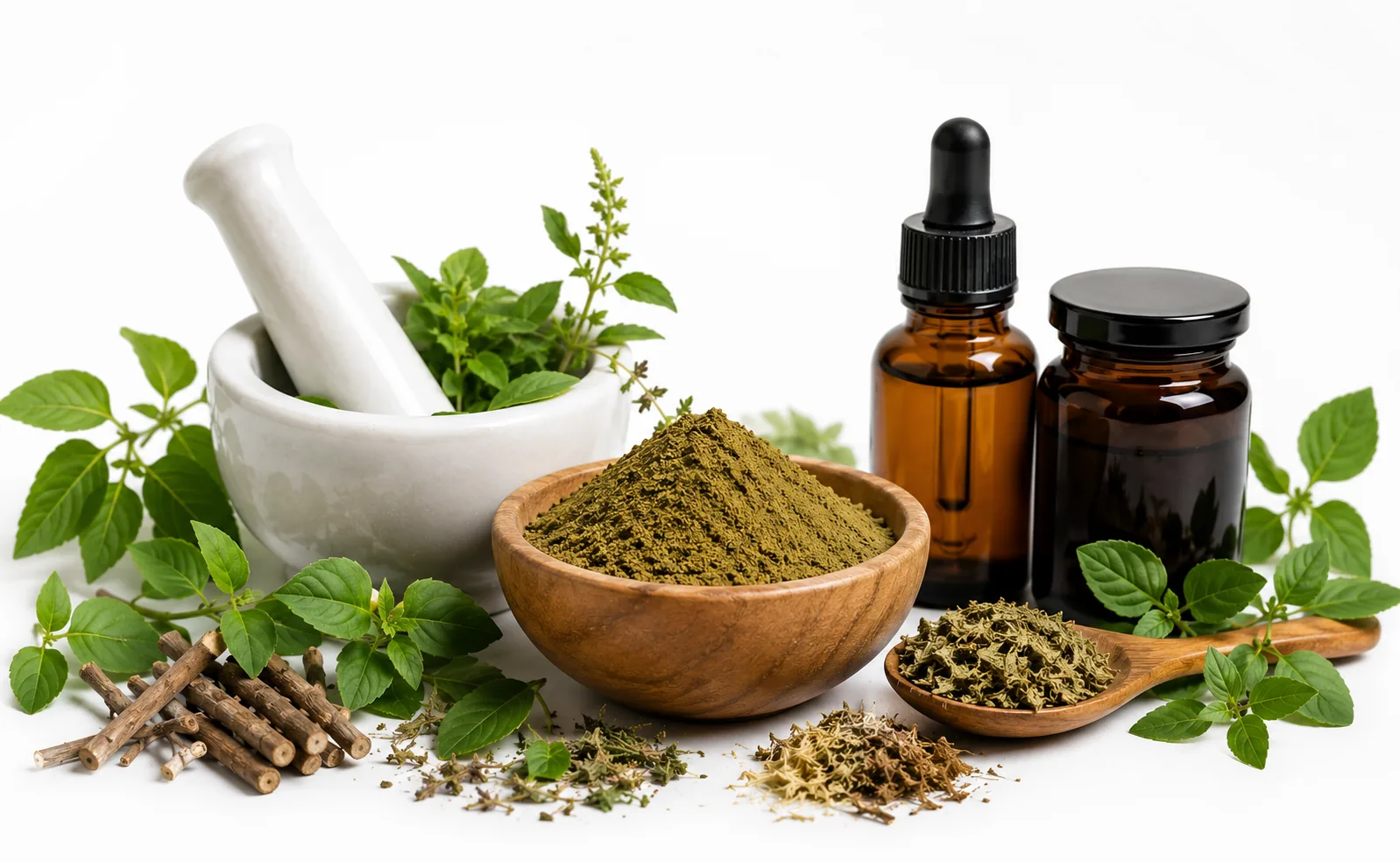
01High-potency phyto-actives extracted via pure water and food-grade bio-ethanol. Calibrated to stated pharmacopoeial active targets with full chromatographic traceability.
Explore Herbal Extracts
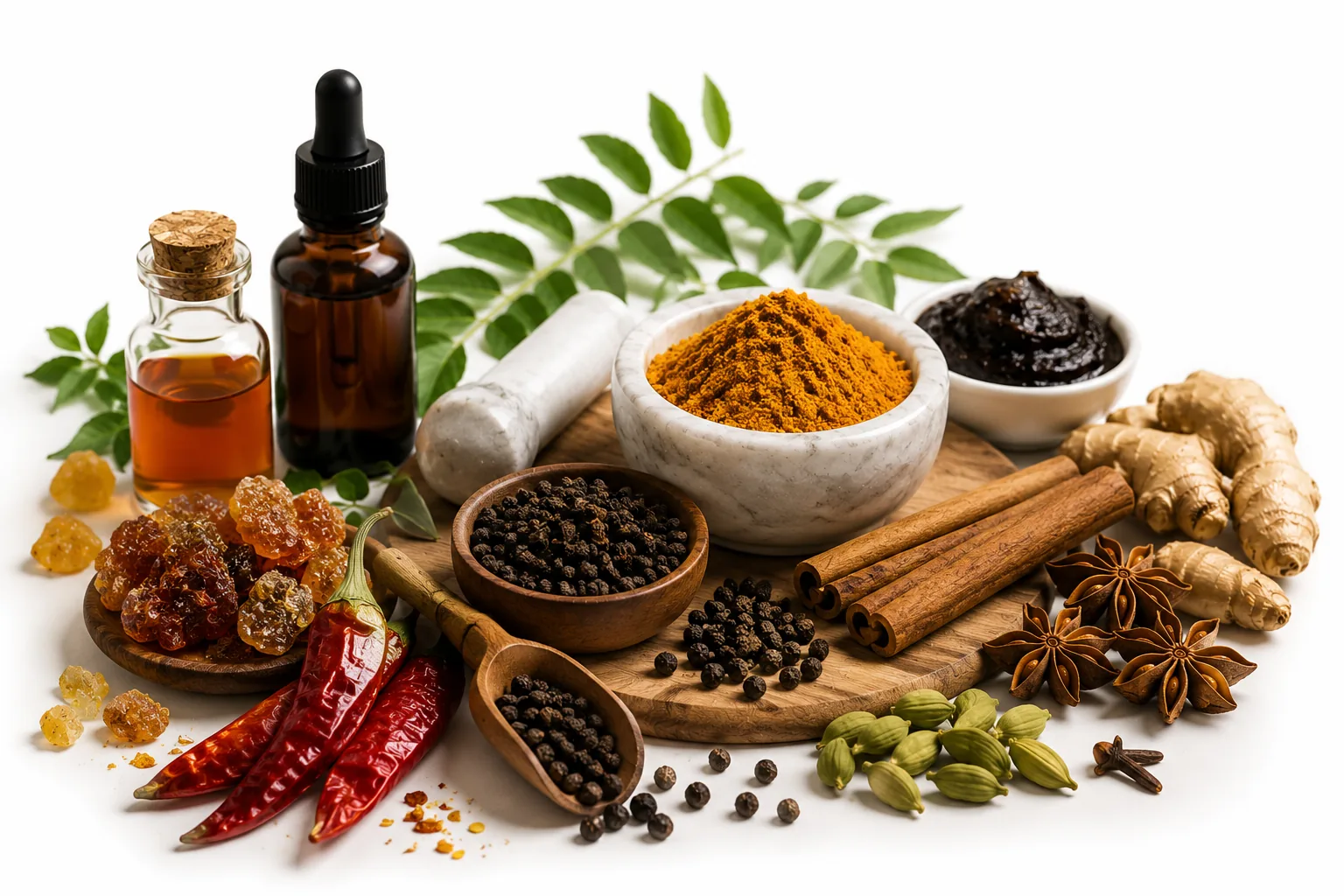
02Microbiologically validated spice extracts offering standardized color units (ASTA), volatile oil contents, and pungency ratings for global food production.
Explore Spices & Oleoresins
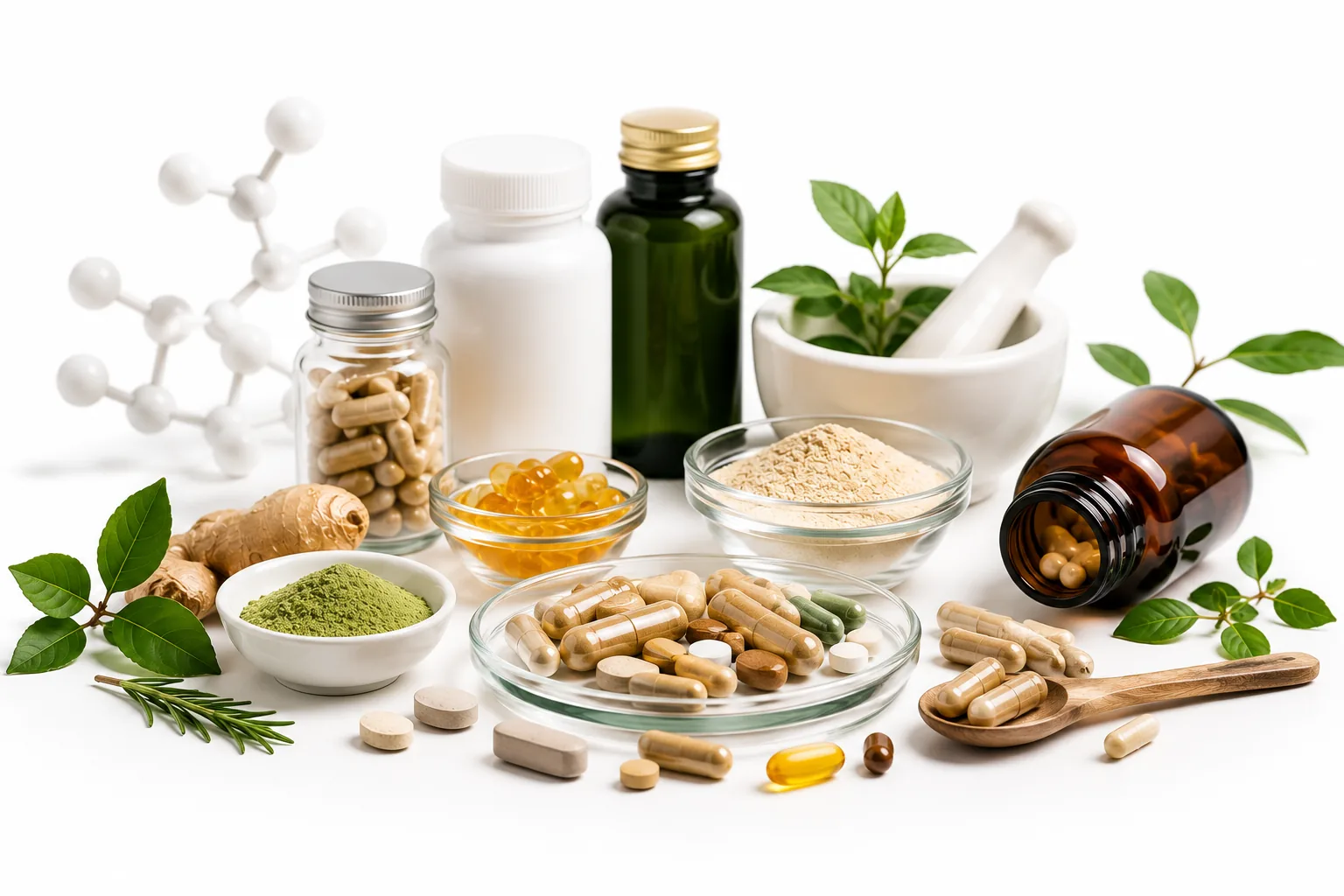
03Science-backed dietary bioactive isolates, adaptogens, and antioxidant polyphenol powders designed for high-speed encapsulation and dry-sachet blending.
Explore Nutraceuticals
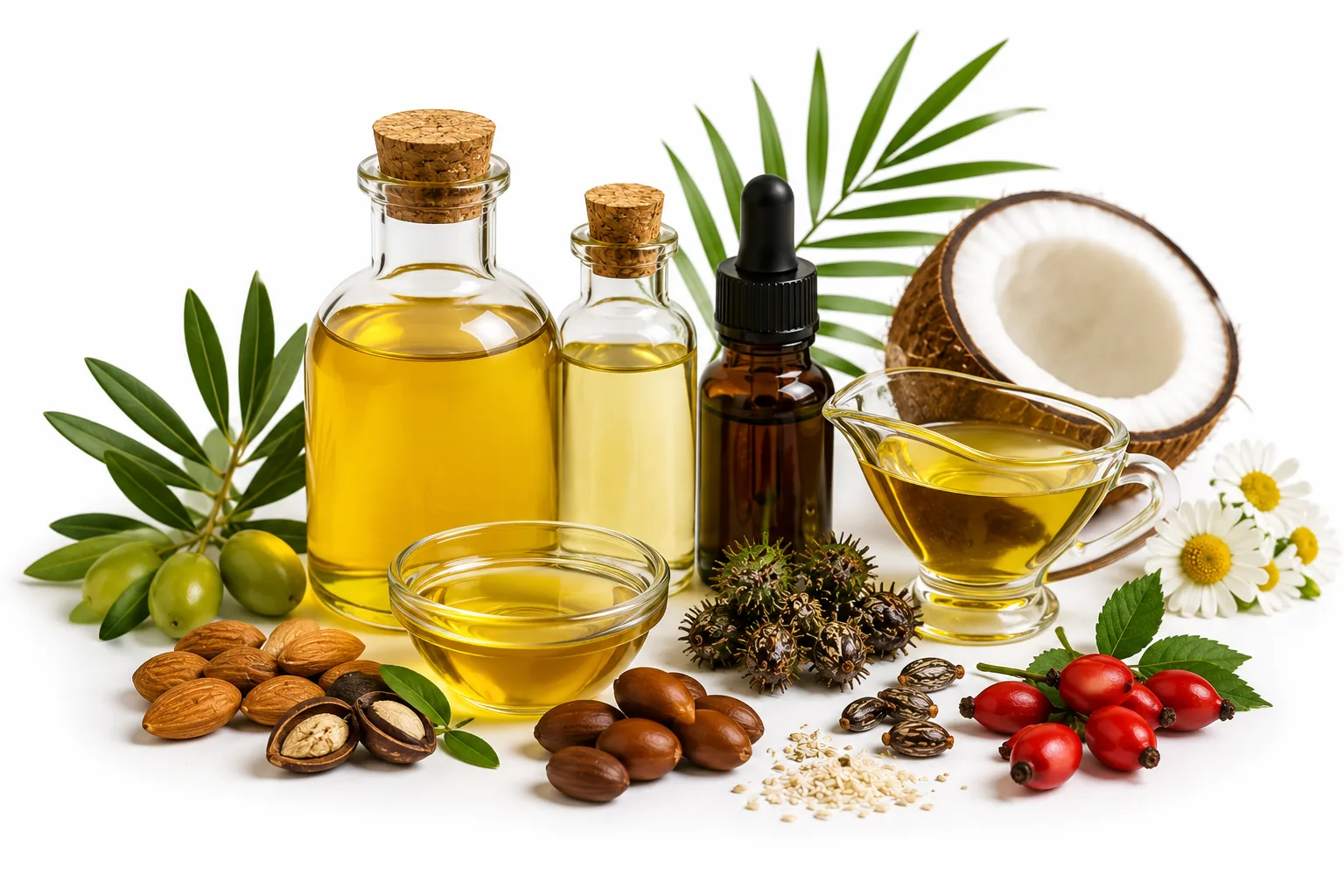
04Virgin, unrefined cosmetic carrier oils and hydro-distilled volatile oils with complete GC-MS lipid profile breakdowns and tight peroxide value management.
Explore Natural OilsImporting botanical extracts from India requires deep technical risk mitigation. We treat laboratory validation as an intrinsic structural component of the product itself, insulating our international clients from costly border rejections and quarantine holds.
Exhaustive multi-residue GC-MS/MS and LC-MS/MS screens compliant with Regulation (EC) No 396/2005 and USP <561> limits.
Zero Tolerance for Prohibited Agro-ChemicalsInductively Coupled Plasma Mass Spectrometry validates ultra-low limits for Lead (Pb), Cadmium (Cd), Mercury (Hg), and Arsenic (As).
Regulation (EU) 2023/915 & CA Prop 65Ethylene Oxide (EtO) and 2-Chloroethanol validation to LOQ <0.01 mg/kg. Safe physical steam sterilization replaces gas treatment.
Regulation (EU) 2019/1793 VerificationPre-shipment batch CoAs, Technical Data Sheets (TDS), Safety Data Sheets (SDS), Non-GMO, and Organic Transaction Certificates.
Full Support for US FSVP & EU TRACESQuality and compliance audits shouldn't stall your new product launch. Every wholesale shipment of our organic botanical extracts includes our comprehensive QA binder, eliminating back-and-forth email friction.
Combining the agrarian depth of India's most fertile cultivation zones with modern European-standard industrial oversight, SV Botanica de-risks botanical procurement.
cGMP, ISO 22000, and FSSAI Central Licensed manufacturing sites guarantee absolute sanitization, process repeatability, and audit readiness.
Direct communication with our analytical chemists and regulatory affairs directors. Technical documentation delivered within one business day.
Every commercial lot is independently assayed before freight departure. No composite blending or fictitious statistical CoAs.
Located strategically in Nashik, Maharashtra, our facility is directly tied to central Indian organic contract farming cooperatives.
Complete management of phytosanitary permits, legalized certificates of origin, specialized thermal airfreight, and ocean container consignments.
Consolidate your entire botanical formulation bill-of-materials—extracts, oleoresins, spices, and fixed oils—under a single qualified partner.
Our zero-risk sampling and production protocol ensures complete analytical synchronization before commercial batch release.
Define botanical species, required marker assay, target market limits, and mesh size.
Day 0 ReviewReceive pre-shipment sample accompanied by certified HPLC analysis and representative CoA.
Sample Dispatched in 48hYour quality lab validates identity and active concentration. Production lot reserved in nitrogen-flushed storage.
Lab Approval MilestoneFinal release testing, vacuum drum packaging, phytosanitary clearance, and door-to-port logistics.
2–3 Week Standard TransitSpecification ambiguity is the single greatest cause of container rejections and regulatory disputes. When generating procurement briefs for organic botanical extracts, specifying these six core dimensions prevents quality disputes.
| Critical Parameter | Quality & Regulatory Impact |
|---|---|
| Taxonomic Part & Botanical Species | Insist on the full Latin binomial with authority (e.g., Withania somnifera vs. Withania coagulans) and isolated plant morphological structure (root vs. aerial parts). Chemical profiles differ radically across plant tissues. |
| Chromatographic Quantification Method | Always state whether markers are assayed via HPLC, UPLC, or Spectrophotometry (UV-Vis). UV-Vis reads non-specifically high; only HPLC validates authentic bioactive compound percentages. |
| Solvent Extraction Medium | Organic certifications prohibit petroleum solvents. Declare whether the extract must be 100% aqueous, organic ethyl alcohol, or Supercritical CO2 to avoid regulatory conflict in your end-market. |
| Carrier Type & Native Ratio | Specify if the product must be 100% pure native extract or if organic carriers (such as organic tapioca maltodextrin or acacia gum) are permitted to maintain hygroscopic stability. |
| Granulometry & Density | Bulk density (tapped vs. aerated) and sieve analysis (80 mesh, 100 mesh, or micronized) determine whether the extract flows cleanly through automatic encapsulation or sachet packing machines. |
| Target Contaminant Limits | Different regional authorities enforce divergent thresholds. Clearly define whether consignments must meet USP <561>, EU MRL Regulation 396/2005, or California Proposition 65 heavy metal maximum allowable doses. |
Direct, technically rigorous answers to questions frequently asked by procurement directors, quality assurance managers, and contract research teams before issuing a Purchase Order.
Authentic organic botanical extracts require third-party certification (e.g., USDA NOP, EU Organic, India Organic NPOP) covering the entire value chain from farm soil analysis to final processing. They strictly forbid synthetic chemical fertilizers, synthetic pesticides, ionizing radiation, sewage sludge, and genetically modified organisms (GMOs). Furthermore, extraction solvents must comply with organic standards, predominantly restricted to certified organic ethanol, pure potable water, or supercritical CO2 without synthetic chemical denaturants or processing aids.
We enforce strict raw material quarantine protocols before processing. Steam sterilization and validated physical sanitization methods are deployed exclusively, completely eliminating Ethylene Oxide (EtO) and 2-chloroethanol throughout storage and manufacturing. For Pyrrolizidine Alkaloids (PAs) and Tropane Alkaloids, our agricultural teams execute stringent botanical weed identification during harvest, backed by accredited LC-MS/MS testing compliant with Regulation (EU) 2020/2040 and Regulation (EU) 2023/915.
Spectrophotometric UV-Vis testing measures gross absorbance across a general chromophore spectrum, which often co-measures polyphenolic degradation products or non-target plant compounds, resulting in falsely elevated readings. High-Performance Liquid Chromatography (HPLC) separates individual molecules, delivering true stoichiometric quantification of target phytochemical markers (such as withanolides, curcuminoids, or boswellic acids). We always report unambiguous, verified HPLC assay values with named chromatographic columns and mobile phases on every batch CoA.
For the US, imports must satisfy 21 CFR Part 111 (dietary supplement cGMP), Foreign Supplier Verification Program (FSVP) documentation, full toxicological limits (USP <561> for pesticides, USP <2232> for heavy metals), and NOP Transaction Certificates (TC). For the European Union, consignments require TRACES NT COI certificates, compliance with Regulation (EC) No 396/2005 for pesticide Maximum Residue Limits (MRLs), heavy metals under Regulation (EU) 2023/915, and official pre-export testing documentation under Regulation (EU) 2019/1793 where applicable.
Our standardized dry organic extracts carry a validated 24 to 36-month shelf life when stored in original, unopened packaging away from light and direct moisture. Standard packaging consists of food-grade double polyethylene liner bags sealed inside airtight, tamper-evident 25 kg fibre drums. Our baseline MOQ starts at 25 kg to support formulation scale-up, scaling up to multi-metric-ton container loads.
Yes. We offer fully customizable particle sizes (from standard 80 mesh up to 200 mesh micronized grades for RTD beverage suspension) and controlled tap/bulk densities tailored to high-speed encapsulation or direct compression tableting. We specialize in 100% pure, native, carrier-free organic extracts, as well as formulations blended with certified organic carriers like organic tapioca maltodextrin or organic acacia fiber upon request.
Connect with SV Botanica's international trade and technical documentation team in Nashik, Maharashtra. We provide verified chemical assays, technical data sheets, and expedited pre-shipment samples for commercial evaluation.
Accelerate your procurement audit. Detail your exact specifications to receive a binding quotation, representative CoA, and regulatory packet within 24 hours.