1 / 5

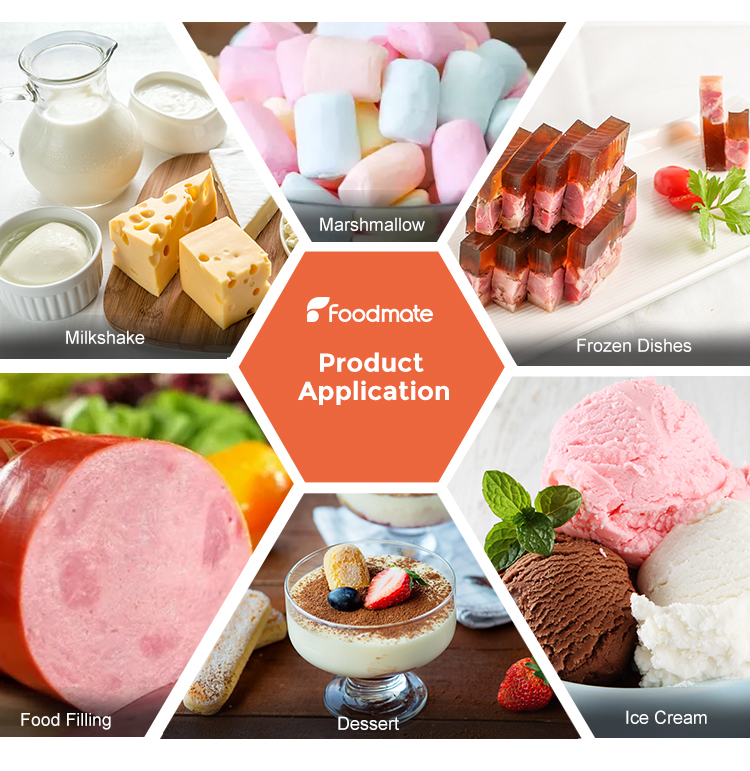
Meat products, Dairy, pudding etc.
| Physical/Chemical Specifications | |
|---|---|
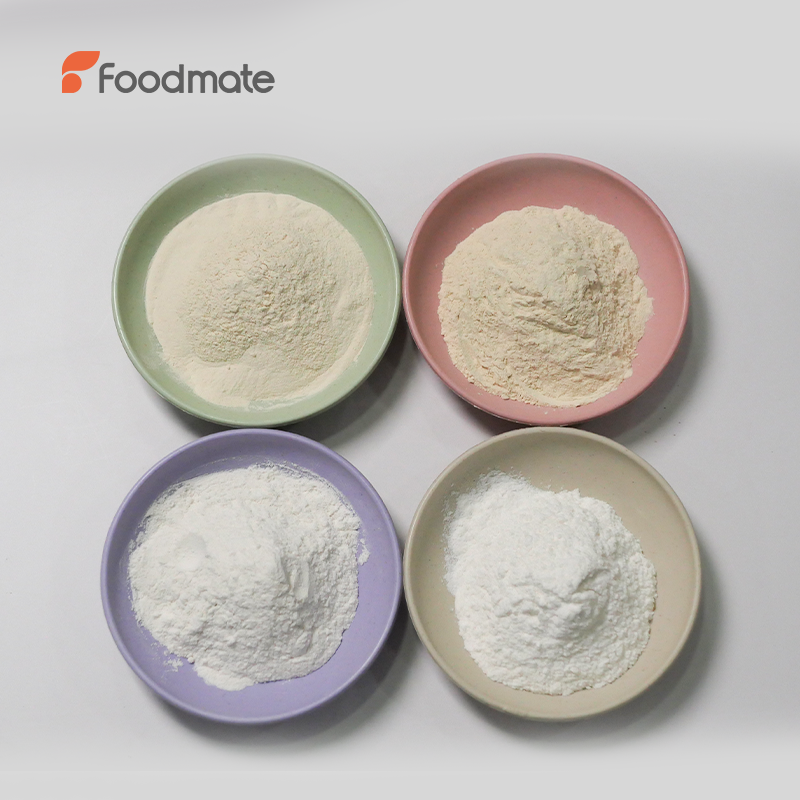
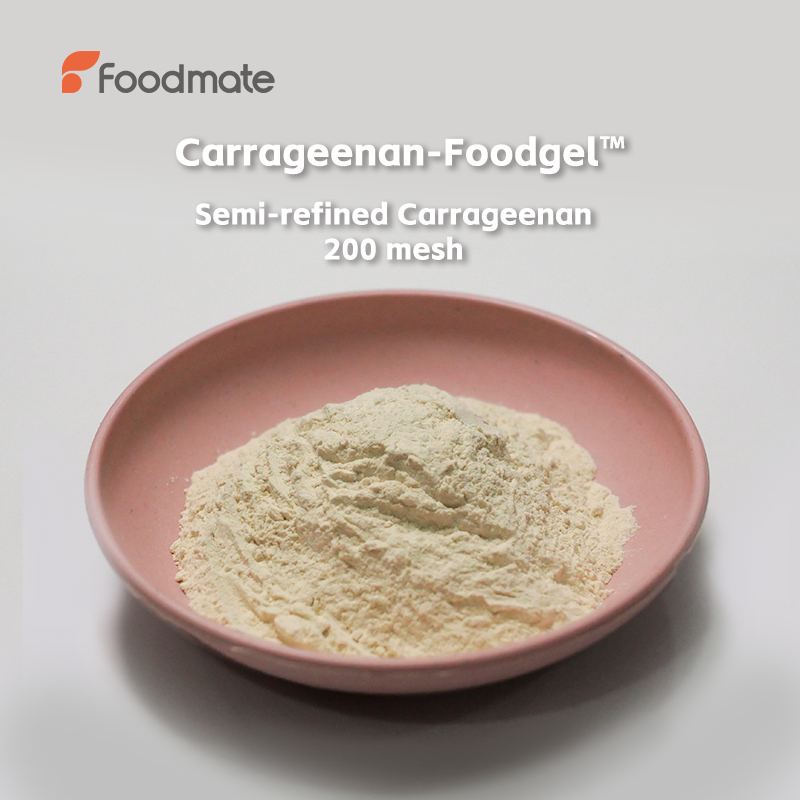
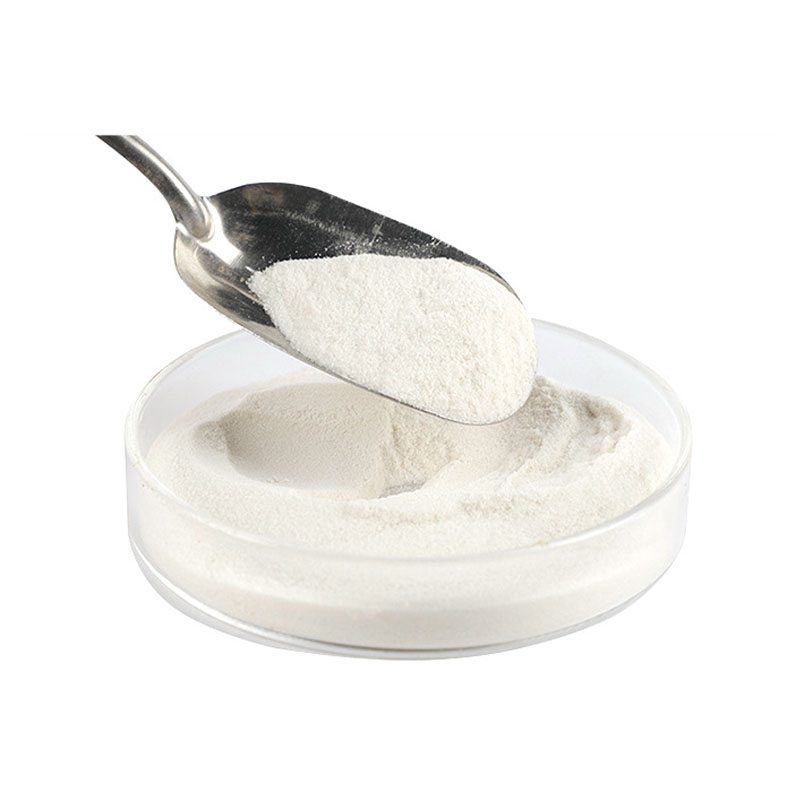
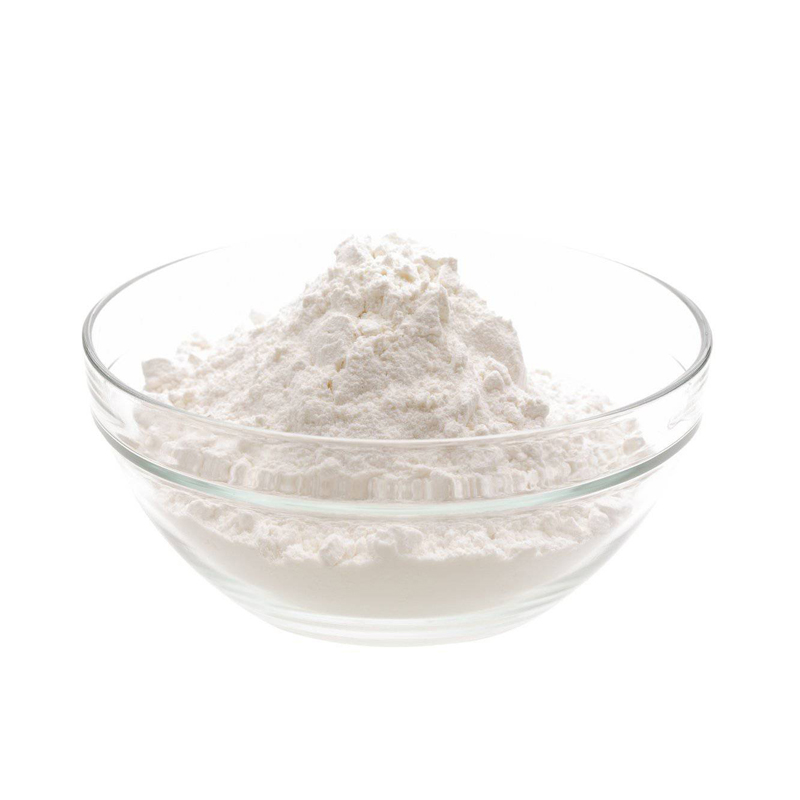
| Appearance | Yellowish to yellow flowing powder |
| Particle Size | min. 90% pass 120 mesh |
| Viscosity | min. 5mPa.s |
| Gel strength (0.2% KCl, g) | min. 500g |
| pH level (1.5%, 25°C) | 8.0 - 11.0 |
| Loss on Drying | max. 12.0% |
| Ash | 15 - 40% |
| Microbiological Specifications | |
|---|---|
| Total Plate Count | max. 5000 CFU/g |
| Yeasts and Molds | max. 300 CFU/g |
| Salmonella | Absent in 10g |
| E.coli | Absent in 5g |
| Heavy Metal Specifications | |
|---|---|
| Arsenic (As) | max. 3 mg/kg |
| Lead (Pb) | max. 5 mg/kg |
| Mercury (Hg) | max. 1 mg/kg |
| Cadmium (Cd) | max. 2 mg/kg |


FOODGEL® Carrageenan 1000 is a semi-refined quality carrageenan naturally derived and extracted from natural strains of red seaweeds.
It provides a superior synergistic gel effect when blended with konjac gum, resulting in enhanced gel strength, elasticity, and improved moisture retention.
It delivers a higher cooking yield rate, maintains stable gel structures, significantly reduces water syneresis during storage, and improves the overall bite and mouthfeel of the finished meat product.
To avoid agglomeration, dry-blend the carrageenan with other soluble formulation ingredients (such as sugar or salt) before dispersing it thoroughly into cold water under agitation.
General guidelines suggest 0.3% to 0.5% in processed meat products and 0.08% to 0.40% in puddings and gelled desserts, adjustable according to required firmness.
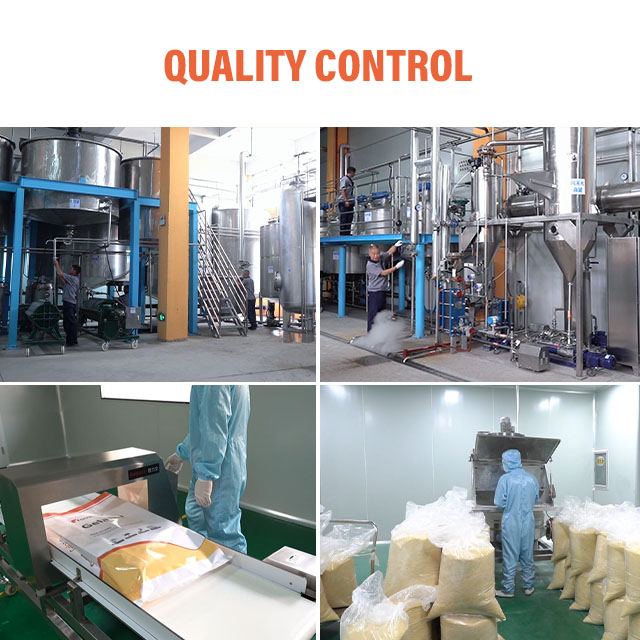
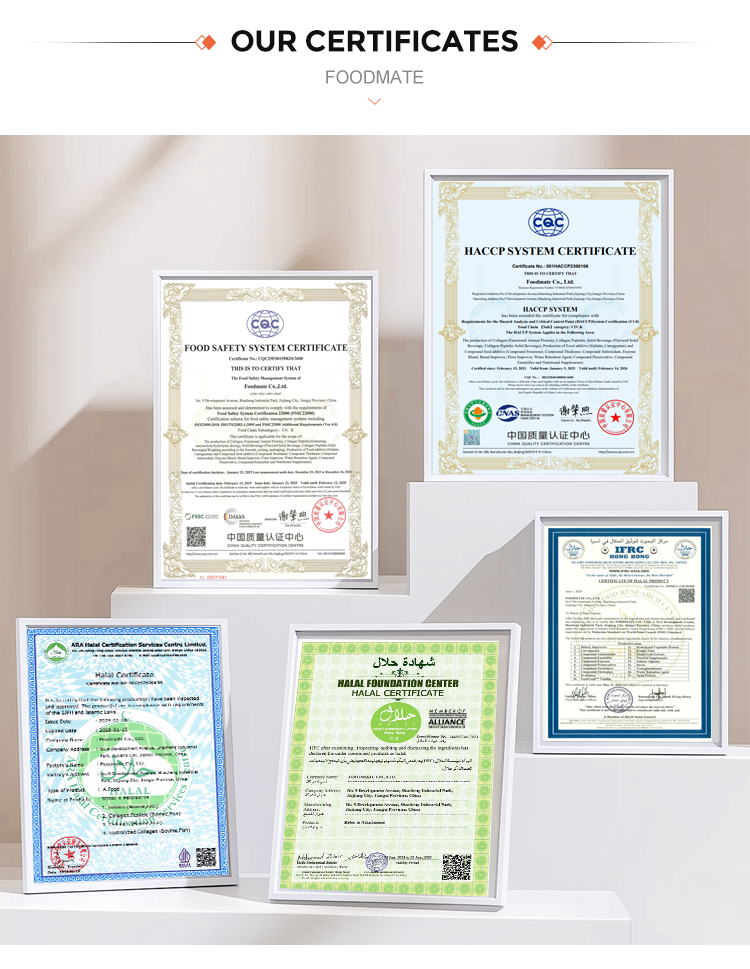
Yes, every batch complies with strict standards: Total Plate Count is capped at max 5000 CFU/g, pathogens (Salmonella & E.coli) are completely absent, and heavy metals like Arsenic, Lead, Cadmium, and Mercury are controlled well within food-grade legal thresholds.