Direct factory supply featuring pharmaceutical-grade Paecilomyces hepiali (CS-4), high-purity Cordycepin fractions, and certified organic fungal polysaccharides validated by accredited laboratory assay.
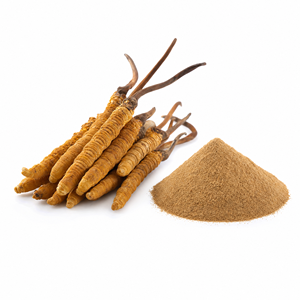
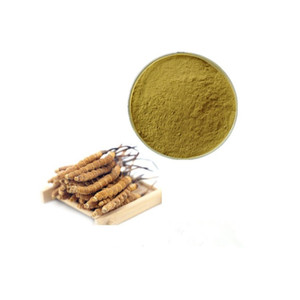
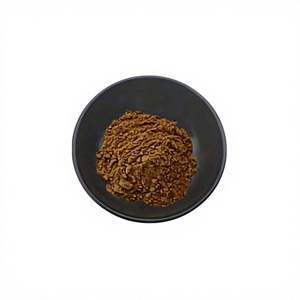
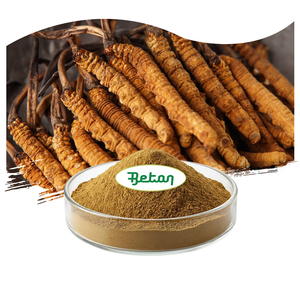
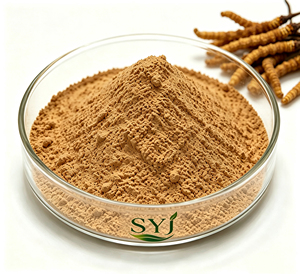
For B2B formulators, nutraceutical procurement directors, and contract manufacturers across North America, Europe, and the Asia-Pacific, sourcing Cordyceps extract from Chinese factories requires a rigorous understanding of mycological identity, extraction mechanics, and regulatory boundaries. Due to the biological scarcity and export prohibitions on wild Tibetan Ophiocordyceps sinensis (wild caterpillar fungus), the modern nutritional industry relies on two scientifically authenticated industrial pillars: bio-fermented mycelium (specifically Paecilomyces hepiali strain CS-4) and cultivated fruiting bodies of Cordyceps militaris.
A recurrent vulnerability in global botanical supply chains is the semantic confusion between Cordyceps sinensis and Cordyceps militaris. Chinese factories provide distinct technical solutions depending on the target functional label and regulatory jurisdiction:
| Scientific Name / Material | Production Platform | Primary Active Markers | Standard Assay Method | Primary Finished Applications |
|---|---|---|---|---|
| CS-4 (Paecilomyces hepiali) | Submerged Liquid Fermentation | Adenosine (0.2%-0.5%), D-Mannitol (8%-16%), Polysaccharides (>30%) | HPLC (Adenosine) / Titration (Mannitol) | Renal Support, Anti-Fatigue Capsules, Respiratory Formulas |
| Cordyceps Militaris (Fruiting Body) | Solid Substrate Cultivation | Cordycepin (1.0%-8.0%), Beta-Glucans (>25%), Ergosterol | HPLC (Cordycepin & Ergosterol) | Cellular Energy (ATP), Sports Nutrition, Nootropics, Clean RTD |
| Water-Soluble 10:1 Dual Extract | Hydro-Ethanolic Dual Extraction | Balanced Polysaccharides + Nucleosides | UV-Vis (Polysaccharides) / HPLC | Functional Beverages, Mushroom Coffees, Gummy Infusions |
Procurement teams must guard against specification ambiguity on Certificates of Analysis (CoA). A pervasive error is purchasing Cordyceps extracts standardized for generic "polysaccharides" measured via crude Phenol-Sulfuric Acid (UV) testing. In non-audited production, raw polysaccharide counts can be adulterated through grain carrier residues (maltodextrin, residual starches) or low-molecular-weight dextrins, showing false levels up to 50% while actual immune-active β-glucan content remains below 5%.
Our manufacturing protocols enforce specific enzymatic Megazyme assay kits to differentiate intrinsic beta-glucans from starch alpha-glucans. Furthermore, nucleoside compounds—specifically Adenosine (CAS 58-61-7) and Cordycepin (CAS 73-03-0)—are validated via isocratic or gradient reverse-phase HPLC with photodiode array detection (RP-HPLC-DAD) to guarantee molecular authenticity and prevent synthetic cross-spiking.
Targeted extract selections optimized for dissolution rate, bio-accessibility, compressibility, and organoleptic balance.
Recommended: CS-4 Paecilomyces Hepiali Fermentation Powder 80 Mesh or Pure Militaris Extract standardized to 3% Cordycepin. Exhibits high bulk density (0.45–0.60 g/mL), excellent flowability without synthetic silica glidants, low hygroscopicity, and verified stability across 36-month shelf evaluations.
Recommended: 10:1 Fully Water-Soluble Cordyceps Sinensis Dual Extract. Enzymatically de-starched and spray-dried with controlled agglomeration. Achieves instant dispersion in cold or hot liquid without sedimentation, cloudy precipitates, or gritty astringency, yielding a smooth earthy umami profile.
Recommended: Ultra-Purified Cordyceps Extract (5% to 8% Cordycepin HPLC). Tailored for pre-workout formulas targeting VO2 max optimization, enhanced ATP/ADP cellular turnover ratios, and sustained lactate threshold recovery metrics under acute physical stress.
The global trade in medicinal mushroom extracts is experiencing a major structural shift driven by regulatory harmonization, analytical standardization, and institutional sustainability mandates:
Global consumer demand has rendered maltodextrin-laden carrier extracts obsolete. Leading international buyers now mandate pure fungal biomass extractions where 100% of the dried matter originates from mycelium or stroma. Our facility has implemented micro-filtration and low-temperature membrane concentration technologies, allowing spray-drying of pure Cordyceps liquids without needing added maltodextrin excipients.
Under US FDA 21 CFR Part 111 cGMP standards and EU herbal quality guidelines, conventional organoleptic or macroscopic inspection is insufficient. Leading international brands now require Genomic Identity Verification (ITS rDNA barcode sequencing) to verify that CS-4 strains and militaris batches are completely free from fungal cross-contamination, mold spores, or non-target wild fungal adulterants.
Wild-collected fungi inherently bioaccumulate heavy metals from sub-alpine soils, regularly breaching EU Regulation (EU) 2023/915 limits for inorganic arsenic (As) and lead (Pb). Modern factory fermentation eliminates this risk by utilizing food-grade stainless steel bioreactors, closed-loop purified water systems, and controlled agricultural stroma substrates. Furthermore, all export lots undergo certified non-irradiation and 0.01 mg/kg limit testing for Ethylene Oxide (ETO) and 2-Chloroethanol.
Combining multi-ton biological fermentation capacity, pharmaceutical extraction hardware, and full international export compliance under one roof.
Full manufacturing execution system operating under Class 100,000 cleanroom controls. Compliant with US cGMP, ISO 22000, HACCP, FSSAI, and Kosher/Halal certification frameworks.
Over 600,000 liters of automated fermentation bioreactor volume ensuring non-interrupted bulk capacity, uniform lot-to-lot bioactivity, and stable multi-ton pricing models.
Every shipment is delivered with a complete quality release package: RP-HPLC chromatography charts, heavy metal ICP-MS quantification, microbiological screening, and solvent residual analyses.
Custom extraction ratios (4:1 to 30:1), tailored particle size tailoring (80 to 200 micro-mesh), granulations for direct tableting, and complete turnkey OEM private-label blending.
Zero intermediate broker markups. Direct purchasing from primary production yields a 15–28% cost efficiency advantage on bulk annual master purchasing agreements.
Established freight lanes with pre-cleared phytosanitary inspection, Certificate of Origin documentation, and established customs clearance support into US, EU, and UK ports.
Direct technical, commercial, and regulatory guidance for professional purchasing agents and QA departments.
In the United States, CS-4 is widely marketed under the Dietary Supplement Health and Education Act (DSHEA) as Cordyceps sinensis (Paecilomyces hepiali) mycelium. In the European Union, while wild Cordyceps is subject to complex novel food determinations, CS-4 mycelium and cultured Cordyceps militaris have extensive documented history of safe use in food supplements. Labeling must explicitly indicate whether the ingredient comprises mycelium or fruiting body stroma.
True wild Ophiocordyceps sinensis and pure CS-4 strains contain very low physiological levels of cordycepin (often <0.01%), expressing bioactivity primarily through adenosine, cordycepic acid, and unique sterols. If a supplier quotes Cordyceps sinensis powder containing 1% to 5% cordycepin, they are either supplying cultivated Cordyceps militaris or an artificially spiked material. We ensure complete analytical transparency on every Certificate of Analysis.
All production lots are analyzed via Inductively Coupled Plasma Mass Spectrometry (ICP-MS) against the strictest international standards: Lead (Pb) < 1.0 ppm, Arsenic (As) < 1.0 ppm, Cadmium (Cd) < 0.5 ppm, and Mercury (Hg) < 0.1 ppm. These thresholds guarantee frictionless compliance with California Proposition 65 and European Commission Regulation (EU) 2023/915.
Our standard commercial MOQ is 25 kg, packaged in pharmaceutical-grade fiber drums with double food-grade polyethylene interior liners. For pilot runs, formulation development, and clinical research validation, qualified manufacturing accounts can request 1 kg to 5 kg sample evaluation units with complete batch-matched documentation.
Request batch Certificates of Analysis, HPLC chromatograms, sample validation units, and tiered volume price quotes within 24 hours.
