Engineered for global nutraceutical formulators, functional food brand innovators, and clean cosmetics manufacturers. Sourced under strict GAP parameters and validated through HPLC, GC-MS, and ICP-MS testing.
Global procurement in botanical raw materials demands absolute integrity, legal pesticide traceability, strict microbial limits, and complete verification transparency. Here is how our production infrastructure protects your brand equity.
Indian and global botanicals face rigorous cross-border screening. Every export lot undergoes targeted pesticide multi-residue panels (under EC 396/2005), ethylene oxide (ETO) / 2-chloroethanol testing (under EU 2019/1793), and heavy-metal ICP-MS clearance (under EU 2023/915).
We eliminate analytical discrepancy between the factory floor and incoming quality control (IQC). By clearly stating test methodologies—differentiating HPLC from spectrophotometric UV or gravimetric saponin metrics—we ensure that label claims are fully verifiable.
From botanical dry extract powders to softgel and capsule finished products, our state-of-the-art facility provides scalable private labeling, controlled solvent extraction systems (hydro-ethanolic, subcritical aqueous, and oleoresin distillation), and customized container packaging.
The global botanical extracts marketplace is moving rapidly toward tighter chemical governance, supply continuity, and certified organic transparency. Sourcing teams are redesigning supply chains around three major structural shifts.
Consumers increasingly scrutinize product back-labels for residual solvents and hidden excipients. Procurement directors are intentionally phasing out extracts derived via chlorinated hydrocarbons, prioritizing supercritical CO2, subcritical water extraction, or 100% grain-ethanol processes.
Uncertain climate shifts and volatile heavy-metal uptake from unchecked soils have made spot-market procurement unviable for multinational corporations. Leading enterprises now mandate backward-integrated farm contract models where agricultural soils are monitored for cadmium and arsenic before sowing.
Standard coarse powders present solubility issues in ready-to-drink functional beverages, clear liquid supplements, and effervescent delivery formats. Advanced micro-encapsulation, nano-emulsion, and water-soluble standardized technologies are driving high compound adoption rates worldwide.
To avoid border rejections and laboratory discrepancies during incoming QC inspection, use this technical baseline to match your target formulary requirements with our validated analytical testing platforms.
| Botanical & Part | Target Standardisation | Primary Assay Method | Analytical Marker CAS | Standard Purity Criteria |
|---|---|---|---|---|
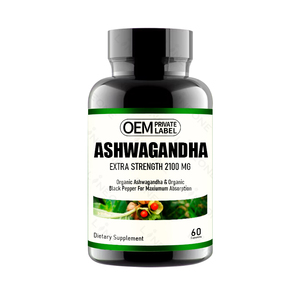
| Ashwagandha Withania somnifera (Root) |
2.5% to 5.0% Withanolides | HPLC / USP | 5119-48-2 (Withaferin A) | Heavy Metals < 10ppm; Lead < 2.0ppm; ETO Free |
| Turmeric Curcuma longa (Rhizome) |
95% Curcuminoids | HPLC / ASTA | 458-37-7 (Curcumin) | Synthetic Curcumin Absent (C14 Carbon Tested); Solvent < 50ppm |
| Cordyceps Cordyceps sinensis (Mycelium) |
40% Polysaccharides, 0.2% Cordycepin | UV-Vis / HPLC | 73-03-0 (Cordycepin) | 100% Water Soluble; Total Plate Count < 1000 CFU/g |
| Boswellia Boswellia serrata (Gum Resin) |
65% Boswellic Acids, 30% AKBA | Titration / HPLC | 67416-61-9 (AKBA) | Residual Hexane < 5ppm; Free Flowing Granular Powder |
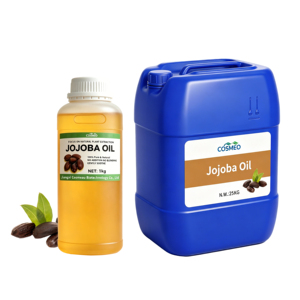
| Rosehip Seed Oil Rosa mosqueta (Seed) |
Alpha-Linolenic Acid ≥ 32% | GC-MS | 463-40-1 (Linolenic) | Cold Pressed; Peroxide Value < 5.0 meq O2/kg; Acid Value < 1.0 |
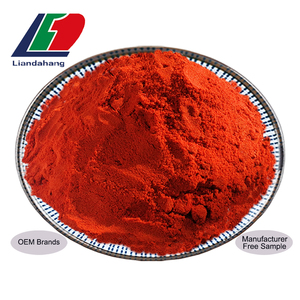
| Paprika Oleoresin Capsicum annuum (Fruit) |
100,000 Color Units (CU) | Spectrophotometry | 465-42-9 (Capsanthin) | Capsaicin Pungency < 1000 SHU (Non-pungent); E. Coli Negative |
Sustainable, highly potent botanicals require state-of-the-art engineering. SV Botanica consistently invests in modern manufacturing technologies to meet international regulatory standards.
Transitioning from petrochemical extraction to industrial subcritical water and high-pressure CO2 processing, eliminating volatile organic chemical emissions completely.
Employing natural enzymolysis to break down tough plant cellulose walls, increasing target bioactive molecule yield by 35% without thermal structural degradation.
Deploying specialized preparative HPLC and resin chromatography lines to isolate specific single-molecule isomers for pharmaceutical and clinical grade trials.
Repurposing spent plant marc into organic agro-fertilizer and capturing distillation condensation, reducing our total production water footprint by 40% year-on-year.
Comprehensive technical and commercial answers addressing common compliance, documentation, and operational questions from international buying desks.
Every commercial consignment is accompanied by a batch-specific Certificate of Analysis (CoA) referencing standard test methods (HPLC, UV, GC-MS), a signed GHS-compliant Safety Data Sheet (SDS), Technical Data Sheet (TDS), Official Phytosanitary Certificate, Certificate of Origin, and packing-slip traceability records. EU-bound shipments include pre-verified third-party accredited lab certificates for ETO and pesticide MRL clearance.
We implement a strict two-tier pesticide mitigation strategy. First, our agricultural procurement teams enforce strict Good Agricultural Collection Practices (GACP) across regional growing hubs. Second, raw botanical lots undergo comprehensive 500+ multi-residue LC-MS/MS and GC-MS/MS pesticide screening in ISO 17025 accredited facilities prior to processing, guaranteeing total compliance with EU MRL thresholds.
Yes. As a full-service custom OEM/ODM exporter, we specialize in tailor-made extraction ratios (e.g., 4:1 up to 50:1), customized active marker concentrations, specific particle size adjustments (e.g., superfine 100 mesh for sachet drinks), carrier selections (non-GMO maltodextrin, acacia gum, or carrier-free native powders), and private-label finished goods packaging (capsules, bottles, cartons).
We provide 50g to 200g complimentary pre-shipment evaluation samples accompanied by their corresponding laboratory CoAs. This allows your internal quality control, R&D, and formulation teams to perform complete in-house validation testing—verifying marker identity, solubility, and heavy metals—prior to bulk production release.
Standard stocked extracts, pure carrier oils, and functional sugar ingredients carry a baseline MOQ of 25 kg (packaged in industrial fiber drums or steel barrels). Specialized custom solvent extractions typically require 100 kg to 500 kg minimum batches. Stock consignments dispatch within 7 to 10 business days; custom production cycles are executed and released in 2 to 3 weeks.
Spectrophotometric UV analysis measures total light absorbance across a shared wavelength, often overstating compound purity by capturing chemically similar polyphenols or degraded fractions. In contrast, High-Performance Liquid Chromatography (HPLC) separates the chemical matrix, quantifying the exact molecule marker. We always stipulate the analytical method on our CoAs to avoid false discrepancies during incoming QC.