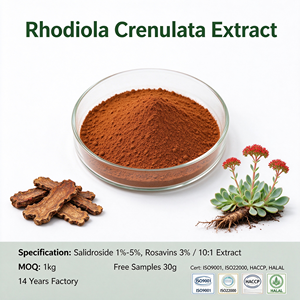
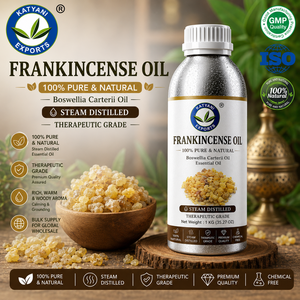
Explore our core B2B active portfolio, manufactured under clean-label standards with full HPLC/UV batch qualification and destination-specific compliance.
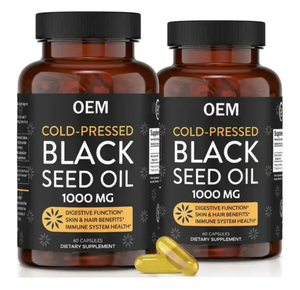
Sporoderm Cracking Ratio in Supercritical Spore Powders
Verified (1,3)-(1,6)-Beta-D-Glucan via Enzymatic Assay
Batch Verification by ICP-MS Heavy Metal & GC-MS Testing
ppm Non-Detectable Ethylene Oxide (ETO) EU MRL Conformance
China represents over 75% of the world's commercial Ganoderma lucidum (Reishi / Lingzhi) biomass production and extraction infrastructure. Historically revered in traditional pharmacopeias, Reishi has evolved into one of the most rigorously standardized functional fungal ingredients globally. Modern pharmaceutical and nutraceutical buyers no longer procure raw mushroom biomass based simply on general extraction ratios (such as 10:1 or 20:1); modern formulation science demands molecular precision, authenticated chemotypes, and specific chromatographic verification of active secondary metabolites.
The therapeutic potency of Reishi mushroom extracts hinges primarily on two distinct biochemical classes: water-soluble (1,3)-(1,6)-Beta-D-Glucans and ethanol-soluble oxygenated triterpenoids (ganoderic, lucidenic, and applanoxidic acids). Furthermore, the specialized lipid fraction recovered from cold-broken spores—rich in bioactive triterpenes, unsaturated fatty acids, and ergosterol—serves as a high-margin raw material for oncology support, cognitive enhancement, and cellular vitality formulations. Selecting qualified Chinese manufacturers requires discerning genuine log-cultivated (Duanmu) fruiting-body extracts from cheap grain-grown mycelium adulterated with high concentrations of residual cereal starches.
Leading Chinese exporters have shifted away from primitive atmospheric boiling kettles to multi-stage closed-loop countercurrent extraction lines and supercritical fluid chromatography. The choice of engineering methodology dictates the bioavailability and bioactive retention of the resulting ingredient:
Combines multi-stage demineralized hot-water elution for macromolecular Beta-glucans with subsequent warm ethanolic maceration (70–95% food-grade grain alcohol) for lipophilic triterpenoids. The standard process for premium broad-spectrum dietary supplements.
Utilizes cryogenic ultra-fine jet milling to crack the double-layer chitinous sporoderm wall (>99% cracking efficiency), followed by subcritical/supercritical CO2 extraction without thermal oxidation, yielding ultra-pure Reishi Spore Oil standardizing up to 25% triterpenes.
Applies ceramic micro-filtration and hollow-fiber ultrafiltration down to molecular weight cut-offs (MWCO) between 10kDa and 100kDa. Eliminates insoluble fiber fragments, generating 100% cold-water soluble, non-turbid powder tailored for functional RTD beverages.
To prevent specification ambiguity during international procurement, QA directors must distinguish the chemical markers, typical analytical test methods, and pharmacopeial targets across different grades:
| Grade Category | Botanical Part | Key Standardized Marker | Assay Method | Ideal Application | Market Compliance |
|---|---|---|---|---|---|
| Dual-Extract Powder | 100% Duanmu Fruiting Body | ≥30% Polysaccharides, ≥15% β-Glucan, ≥2% Triterpenes | Megazyme Assay / HPLC | Hard Capsules, Tablets, Tinctures | USP / Ph. Eur. Compliant |
| Water-Soluble Instant | Fruiting Body (Membrane refined) | ≥40% Polysaccharides, ≥20% β-Glucan (Zero haze) | UV-Vis / Megazyme | Functional Coffee, RTD Beverages | Clean Label / Non-GMO |
| Broken Spore Powder | Sporoderm-broken Spores | ≥99% Sporoderm Cracking Rate, ≥2% Triterpenes | Microscopy / HPLC | Sachets, Direct Powder Blends | ChP / EU Organic |
| Supercritical Spore Oil | Cracked Spores (Lipid Phase) | ≥20% - 25% Total Triterpenes, Oleic/Linoleic Acid | HPLC / GC-FID | Premium Liquid Softgels, Drops | FDA cGMP / GRAS Ready |
| Mycelium Biomass Powder | Submerged Liquid Culture | ≥10% - 20% Crude Polysaccharides (Starch Monitored) | Enzymatic Starch Assay | Budget Pet Formulations, Blends | Standard Commercial |
The global functional mushroom landscape is undergoing a systemic structural upgrade. Raw ingredient sourcing is pivoting from opaque commodity broker models to vertically integrated, scientifically auditable contract supply chains. Importers and brands must anticipate four definitive technical shifts:
The outdated Anthrone-sulfuric acid UV testing method cannot distinguish bioactive fungal β-(1,3)-(1,6)-glucans from cheap maltodextrin or cornstarch carriers. Western compliance teams and US retailer verification protocols now mandate direct enzymatic kit assays (Megazyme / AOAC 2020.07). Exporters unwilling to guarantee pure beta-glucan content are rapidly losing market share.
Natural triterpenes present intensely bitter organoleptic properties and hydrophobic traits. Next-generation Chinese processing facilities have deployed cyclodextrin microencapsulation and lipid-carrier nanoemulsion technology. This breakthrough facilitates high-load, transparent integration into functional sparkling waters, mushroom coffee sticks, and nootropic gummies without bitter astringency.
Regulatory audits under Regulation (EC) 396/2005 (Pesticide Residues), Regulation (EU) 2023/915 (Heavy Metals), and Polycyclic Aromatic Hydrocarbons (PAH4) have made pre-shipment laboratory screening critical. Elite Chinese exporters provide full GC-MS/MS and LC-MS/MS third-party accredited panels (Eurofins, SGS) before consignments leave factory docks.
Combining traditional agricultural heartlands with pharmaceutical-grade cGMP extraction lines to guarantee purity, continuity, and traceability from spore to shipment.
Operating under ISO9001, ISO22000, FSSC 22000, and cGMP standards, with USDA Organic, EU Organic, Halal, and Kosher validation on continuous batch production.
Every single batch is issued with an authentic Certificate of Analysis (CoA) specifying HPLC triterpenoid markers, Megazyme beta-glucan assay, and full ICP-MS heavy metals testing.
Originating from certified high-altitude organic Duanmu (basswood log) forest cultivation bases in Dabashan and Mount Wuyi, avoiding greenhouse chemical inputs.
Full regulatory documentation dossiers (TDS, SDS, Process Flowcharts, Allergen & Non-GMO Declarations, FSVP files) dispatched within one business day by analytical chemists.
Essential guidance on analytical methods, lead times, carrier limits, and import compliance for technical purchasers.
Accelerate your product development cycle with batch-verified active markers, comprehensive compliance dossiers, and reliable bulk commercial capacity. Speak directly with our international technical sales team today.