
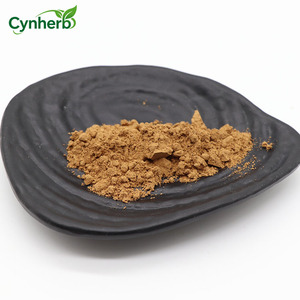
Engineered for European nutraceutical brand owners, high-shear granulators, softgel capsules, and bespoke premix formulations requiring batch-to-batch HPLC reproducibility.
A comprehensive assessment for Irish Qualified Persons (QPs), Formulation Scientists, and Regulatory Officers managing European Novel Food demarcations and FSAI/HPRA regulatory interfaces.
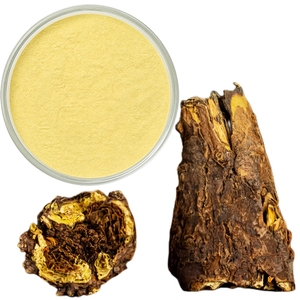
Berberine is an isoquinoline alkaloid of notable pharmacological utility, acting centrally on 5' AMP-activated protein kinase (AMPK) phosphorylation. For the Republic of Ireland and EU territories, botanical provenance is not merely an identification marker; it defines compliance under EU food and medicine legislation. While *Coptis chinensis* and *Hydrastis canadensis* carry distinct ecological and regulatory classifications, our manufacturing infrastructure concentrates exclusively on sustainably harvested bark and root systems of Berberis aristata (Indian Barberry).
In accordance with the European Directorate for the Quality of Medicines (EDQM) principles and United States Pharmacopeia (USP) monographs, each batch is standardized to an ultra-pure ≥97.0% Berberine HCl assay calculated on an anhydrous basis. The extraction process uses controlled hydro-ethanolic solvents without chlorinated hydrocarbon fractionations, totally eliminating methylene chloride and chloroform hazards and guaranteeing residual solvents well below the thresholds delineated in ICH Q3C (R8).
| Analytical Parameter | Guaranteed Target Specification | Validated Test Methodology | EU Regulatory Reference |
|---|---|---|---|
| Active Assay (Berberine HCl) | ≥ 97.0% (Anhydrous Basis) | High-Performance Liquid Chromatography (HPLC) | Ph. Eur. / In-house validated |
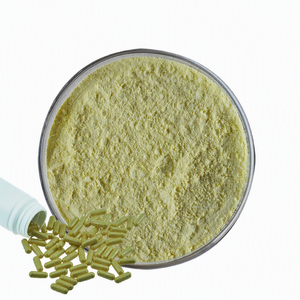
| Physical Identification | Yellow crystalline, odourless, bitter powder | FTIR / UV-Vis Spectrophotometry | USP <197> |
| Loss on Drying (LOD) | ≤ 12.0% | Thermogravimetric Analysis (105°C, 3 hrs) | Ph. Eur. 2.2.32 |
| Residue on Ignition (Sulfated Ash) | ≤ 0.20% | Muffle Furnace Ashing (600°C) | Ph. Eur. 2.4.16 |
| Ethylene Oxide (ETO) & 2-CE | Sum < 0.01 mg/kg (Below Limit of Detection) | GC-MS/MS | Reg. (EU) 2019/1793 & Reg. (EC) 396/2005 |
| Pesticide Multi-Residue Screen | Complying with statutory EU MRL limits (>450 compounds) | LC-MS/MS & GC-MS/MS | Regulation (EC) No 396/2005 |
| Heavy Metals (Pb, Cd, Hg, As) | Pb: < 3.0 ppm | Cd: < 1.0 ppm | Hg: < 0.1 ppm | As: < 1.0 ppm | ICP-MS (Inductively Coupled Plasma Mass Spec) | Commission Regulation (EU) 2023/915 |
| Polycyclic Aromatic Hydrocarbons (PAH) | Benzo(a)pyrene < 10 µg/kg; Sum of 4 PAHs < 50 µg/kg | GC-MS / HPLC-FLD | Regulation (EU) 2023/915 |
| Total Aerobic Microbial Count (TAMC) | ≤ 1,000 CFU/g | Plate Count Method | Ph. Eur. 5.1.8 Category B |
| Total Combined Yeasts/Moulds (TYMC) | ≤ 100 CFU/g | Membrane Filtration / Plate Count | Ph. Eur. 5.1.8 Category B |
| Specified Pathogens (E. coli, Salmonella) | Absent in 10g / Absent in 25g | Selective Enrichment Culture | ISO 6579 / Ph. Eur. 2.6.13 |
Strategically positioned to service Contract Development and Manufacturing Organisations (CDMOs), private label creators, and export nutraceutical hubs throughout Munster, Leinster, and Connacht.
Widely integrated by contract manufacturers across the Greater Dublin Area and Shannon biopharma clusters for next-generation blood glucose control capsules. Berberine HCl triggers AMPK activation, frequently paired in synergetic oral dosage forms with Alpha Lipoic Acid, Chromium Picolinate, and Cinnamon extracts for blood sugar support formulas under European EFSA health claim frameworks.
Utilized extensively in Cork’s dietary manufacturing corridors for functional cardiovascular and lipid balance supplements. Unlike synthetic statin pathways, Berberine upregulates LDLR (low-density lipoprotein receptor) expression via PCSK9 degradation, serving as a functional cornerstone for non-statin cardiac health formulation protocols destined for international distribution from Irish free-trade ports.
Recognised for its targeted antimicrobial and eubiotic influence, Berberine HCl is regularly formulated in gastrointestinal protocols across Galway and Sligo nutraceutical contract packagers. It promotes beneficial Akkermansia muciniphila populations and supports intestinal tight junctions, making it a key functional raw material for enteric-coated delayed-release tablets.
To overcome the inherent ~5% oral bioavailability of standard berberine salts, Irish advanced R&D centers formulate our high-purity crystalline powder with phospholipids, sunflower lecithin, or piperine (BioPerine). Our uniform, un-milled crystalline morphology enables stable particle engineering and high entrapment efficiency in liposomal slurries.
Irish functional medicine and direct-to-consumer women’s health brands leverage Berberine HCl's insulin-sensitizing pathways to formulate targeted polycystic ovary syndrome (PCOS) capsules. These formulations often blend our 97% extract with Myo-Inositol, D-Chiro-Inositol, and Folate to address metabolic dysregulation alongside hormonal synthesis.
Specifically engineered for automated rotary tableting machines, our crystalline Berberine HCl exhibits low friability and controlled bulk density (0.45–0.65 g/ml), reducing excipient loads such as microcrystalline cellulose and magnesium stearate while ensuring tablet hardness and rapid disintegration times within USP <701> parameters.
Key economic, clinical, and regulatory factors steering raw material procurement for Irish life sciences enterprises in 2026 and beyond.
Consumer demand in Ireland, the UK, and Northern Europe for non-prescription, clean-label metabolic alternatives has increased dramatically. With glucagon-like peptide-1 (GLP-1) mechanisms gaining public prominence, Berberine's scientifically proven modulation of proglucagon gene expression and gut hormone secretion has made it one of Europe's top-selling dietary botanical compounds.
The Food Safety Authority of Ireland (FSAI) alongside the Health Products Regulatory Authority (HPRA) actively review claims and recommended daily doses of botanical substances. Irish supplement brand owners require suppliers who can verify botanical species authentication via DNA barcoding or HPLC fingerprinting to prevent mislabelling and ensure total compliance with European medicinal boundary regulations.
Post-Brexit customs barriers and stricter European Border Control Post (BCP) checks on Indian and Chinese botanicals have shifted Irish procurement strategies. Contract packagers in Athlone, Waterford, and Dublin now prioritize suppliers that provide full pre-tested EU MRL pesticide screening, non-ETO certifications, and pre-cleared customs documentation before bulk air or sea shipments depart.
Combining backward-integrated Indian botanical agricultural operations with GMP-certified extraction facilities and European-standard quality oversight.
Our raw Berberis aristata roots are ethically wildcrafted and farm-sourced across validated Himalayan belts, ensuring complete batch traceability, conservation compliance, and pure single-species extraction without adulteration.
Our facilities use clean superheated steam sterilization and validated hygienic drying technologies, avoiding Ethylene Oxide (ETO) and gamma irradiation. Every batch is certified <0.01 mg/kg limit of detection for 2-chloroethanol.
Every commercial consignment includes a comprehensive Certificate of Analysis (CoA) with raw HPLC chromatograms, technical data sheets (TDS), safety data sheets (SDS), non-GMO declarations, allergen statements, and BSE/TSE certifications.
We supply QA departments in Ireland with 50g–200g commercial validation samples along with complete documentation within 48 to 72 hours via DHL Express, facilitating rapid raw material sign-off and vendor qualification.
Specific regulatory, technical, and logistical guidance for procurement managers and quality assurance teams across the Republic of Ireland.
Consult directly with our technical quality specialists. Request full batch CoAs, current EU pesticide MRL panels, or a 100g bench-scale formulation sample delivered directly to your Irish manufacturing site.