
Baicalin 99%
Procure fully validated, assay-verified raw materials with comprehensive batch testing, HPLC marker confirmation, and full destination traceability.
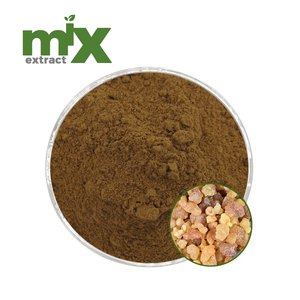
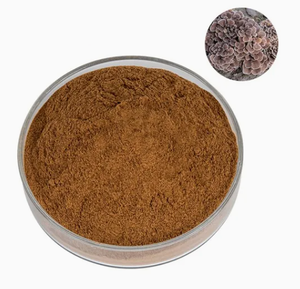
In the sophisticated North American botanical marketplace, procuring Reishi Mushroom extract (Ganoderma lucidum, Lingzhi) requires nuanced distinction between crude agricultural powders and high-potency bio-fractionated active powders. The structural integrity and pharmacological efficacy of Reishi depend primarily on two phytochemical classes: high-molecular-weight 1,3-1,6-Beta-D-Glucans and bitter oxygenated triterpenoids, notably ganoderic acids (A, B, C2, D, and F).
Commercial grade verification for United States contract packagers and dietary supplement developers faces significant authentication hurdles. Adulteration with starch or grain fillers—often resulting from extracts made from mycelium cultivated on sterile grain without proper separation—elevates simple alpha-glucan levels while drastically depressing genuine fungal beta-glucan content. SV Botanica and Ruiwo Phytochem engineering protocols utilize high-precision Megazyme enzymatic assay validation and High-Performance Liquid Chromatography (HPLC) testing to verify that active triterpene profiles match standard pharmacopeial baselines.
| Analytical Parameter | USP / FCC Standard Method | Export Grade Spec Limits | Procurement Significance for Formulators |
|---|---|---|---|
| Beta-Glucan Assay | Enzymatic (Megazyme) / UV-Vis | ≥ 30.0% to 50.0% | Differentiates fungal beta-glucans from starch-derived alpha-glucans. |
| Total Triterpenes | HPLC / UV Detection (Ganoderic Acids) | 2.0% - 6.0% standardized | Ensures true fruiting-body extraction without inert grain carrier dilute. |
| Heavy Metals Screen | ICP-MS (Inductively Coupled Plasma) | Pb <0.5ppm, As <0.5ppm, Cd <0.2ppm, Hg <0.1ppm | Meets strict California Proposition 65 NSRLs & USP <2232> daily intake. |
| Ethylene Oxide (ETO) | GC-MS / Selective Ion Monitoring | < 0.01 mg/kg (Detection Limit) | Mandatory clean-label guarantee; 0% toxic sterilization residuals. |
| Microbiological Bioburden | USP <2021> & <2022> methods | TPC <1,000 CFU/g, Absent Salmonella/E. coli | Optimized for clean ready-to-drink (RTD) and functional sachet stability. |
For business-to-business purchasers exporting into the United States, our CE-certified extraction infrastructure guarantees that all hydrothermal extraction stages maintain precise enzymatic deactivation temperatures. This preserves the tertiary structure of triple-helix beta-D-glucan polysaccharides, assuring maximum biological activity when integrated into downstream immune, neuro-supportive, and longevity finished goods.
Strategic deployment of our fully soluble, standardized Reishi extract across major functional wellness categories in the American market.
With the rapid expansion of functional mushroom coffees, cold brews, and stress-modulating sodas across retail chains like Whole Foods and Sprouts, formulators require an extract with minimal sedimentation. Our water-soluble spray-dried Reishi extract dissolves cleanly into cold or hot aqueous mediums without particulate separation or astringent resin precipitation.
High bulk-density (0.45–0.58 g/ml) and uniform 80-mesh powder granulometry optimize high-speed capsule filling lines, preventing bridging and downtime. In pectin or gelatin-based chewable formulations, our low-bitterness purified fraction allows clean flavor masking with natural citrus or berry botanical profiles.
Reishi's potent antioxidant and barrier-reinforcing triterpenoids are widely utilized by indie US skincare brands. We supply low-color, decolorized variants with zero residual organic solvent content, ensuring seamless micellar dispersion into anti-aging lotions, topical barrier serums, and sensitive skin emollients.
Procurement teams must navigate evolving federal oversight, clean-label shifts, and rigorous validation requirements to maintain market access.
Under the US FDA Food Safety Modernization Act (FSMA), US importers of record bear legal responsibility for auditing overseas facilities. SV Botanica provides pre-assembled Foreign Supplier Verification Programs (FSVP) dossiers, including hazard analyses, third-party allergen cross-contamination logs, and cGMP compliance documentation to expedite customs clearance.
Mushroom fruiting bodies naturally bio-accumulate heavy metals from ambient soils. With California's Safe Drinking Water and Toxic Enforcement Act enforcing maximum daily intake thresholds as strict as 0.5 mcg/day for Lead, our ICP-MS testing protocols ensure our raw materials can be integrated into high-serving-size formulas without triggering mandatory warning labels.
American consumer advocacy groups and leading supplement brands increasingly scrutinize ingredient transparency, rejecting mycelium biomass grown on grain substrates. Our materials are sourced exclusively from authentic hardwood-cultivated Ganoderma lucidum fruiting bodies, ensuring natural chromatographic profiles and higher concentrations of target active compounds.
Combining world-class cultivation, analytical rigor, and agile global logistics under verified institutional certifications.
Utilizes sequential pressurized water and ethanol extractions to recover both polar beta-glucans and non-polar ganoderic triterpenes.
Our extraction lines operate in pharmaceutical-grade clean rooms under documented HACCP, ISO 22000, and cGMP protocols.
Every shipment is accompanied by a batch Certificate of Analysis, HPLC fingerprints, SDS, and Non-GMO / Allergen statements.
Flexible DDP/CIF incoterms, bonded warehousing support, and fast air/sea logistics ensure steady raw material supply chains.
Clear, technical answers covering regulatory validation, assays, solvent controls, and container logistics.
We mandate the Megazyme enzymatic assay (K-YBGL method). Unlike basic nonspecific phenol-sulfuric acid testing—which mistakenly identifies carrier maltodextrins or grain starches as active mushroom sugars—the Megazyme assay isolates alpha-glucans from genuine fungal (1-3)(1-6)-beta-D-glucans to ensure true bioactive quantification.
Our raw Ganoderma lucidum fruiting bodies are cultivated on clean wood logs far from industrial pollution. Every production lot undergoes ICP-MS analysis with sub-ppb detection thresholds. Standard released batches test well below the California safe harbor limits for lead, arsenic, cadmium, and mercury.
Yes. We provide complete supplier qualification dossiers containing our Hazard Analysis and Risk-Based Preventive Controls (HARPC) files, process flow charts, microbiological safety assessments, allergen checklists, and third-party ISO/GMP certificates to satisfy US importing guidelines.
Our standard production offerings include 10:1 and 20:1 concentrated extracts, along with standardized profiles yielding 30% Polysaccharides / 2% Triterpenes, up to 50% Beta-Glucans / 4% Ganoderic Acids. Custom extraction ratios and carrier adjustments are available on production-scale orders.
No. We employ high-temperature short-time (HTST) steam sterilization during spray drying. Our materials are 100% free of ETO treatment and gamma irradiation, yielding non-detectable ETO residues (<0.01 mg/kg) that fully satisfy European and North American organic/clean-label standards.
Standard packaging consists of 25 kg fiber drums with double-sealed food-grade polyethylene interior liners. Standard starting order minimums begin at 25 kg for stocked extract grades, with pilot trial quantities and pre-shipment evaluation samples provided upon commercial request.