Engineered under cGMP conditions with validated assay identification, verified chromatographic finger-printing, complete solvent elimination, and certified heavy-metal profiles ready for commercial batch compounding.
We operate beyond the capacity of typical trading brokers. Our integrated manufacturing compounds, validated bio-fermentation suites, and state-of-the-art analytical infrastructure guarantee continuous batch-to-batch uniformity, international pharmacopoeial alignment, and uncompromised regulatory safety.
Equipped with triple quadrupole LC-MS/MS, GC-MS, ICP-MS, and Shimadzu High-Performance Liquid Chromatography platforms. Every commercial lot undergoes quantitative assay titration, botanical ID verification via HPTLC fingerprints, and multi-residual screening to guarantee zero synthetic adulteration.
Full screening protocols compliant with Regulation (EU) 2023/915 and US FDA FSVP criteria. We enforce tight thresholds for heavy metals (Pb, Cd, As, Hg), zero detectable ethylene oxide (EtO) / 2-chloroethanol residues, strict limits on polycyclic aromatic hydrocarbons (PAH4), and zero aflatoxins.
Immediate delivery of comprehensive regulatory dossiers: Product Batch Certificate of Analysis (CoA), Technical Data Sheets (TDS), Safety Data Sheets (SDS), Process Flow Charts, Allergen Statements, Non-GMO Declarations, Halal/Kosher documentation, and TSE/BSE risk-free statements for frictionless customs clearance.
Navigating overseas raw material sourcing demands granular analytical literacy. Contract manufacturers and brand owners regularly encounter commercial losses stemming from analytical methodology discrepancies, non-compliant solvent residues, and unverified extraction carriers.
| Raw Material Category | Critical Procurement Pitfall | Common Flawed Method | Our Certified Manufacturer Standard | Global Regulatory Compliance |
|---|---|---|---|---|
| Cordyceps CS-4 Mycelium | Inclusion of inorganic carrier starches to inflate total polysaccharide readings. | Standard UV-Vis Phenol-Sulfuric Acid (easily skewed by non-fungal starches) | Enzymatic Specific Polysaccharide & HPLC Adenosine Validation | USP / EU Food Grade |
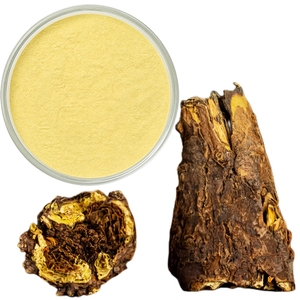
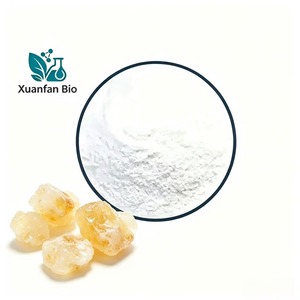
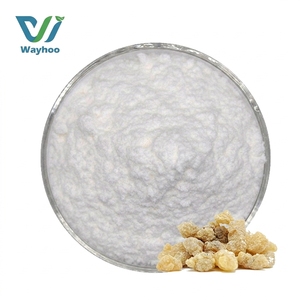
| Boswellia Serrata Extract | Misrepresenting general titrimetric organic acids as genuine AKBA bioactives. | General Acid-Base Titration (measures non-active resin acids) | 30% AKBA via Reversed-Phase HPLC with reference standard CAS 67416-61-9 | 21 CFR Part 111 cGMP |
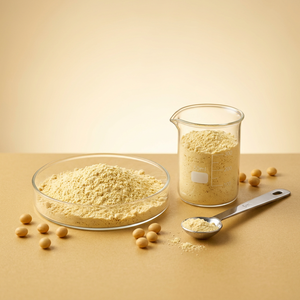
| Soy Oligopeptides | Residual non-hydrolyzed high molecular weight proteins causing turbidity and allergic response. | Crude Kjeldahl nitrogen titration multiplied by 6.25 (ignoring peptide chain length) | Gel Filtration Chromatography (GPC) confirming >85% <1000 Daltons | Hypoallergenic Grade |
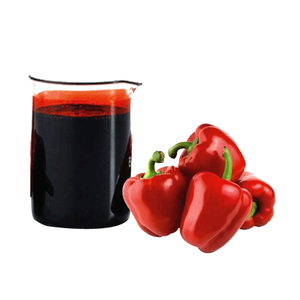
| Paprika Oleoresin | Sudan red adulteration and volatile solvent traces from industrial hexane extraction. | Basic colorimetric absorbance without dye chromatography | Supercritical CO2 or food-grade ethanol extraction, Sudan I-IV Negative | EU Regulation (EC) 1333/2008 |
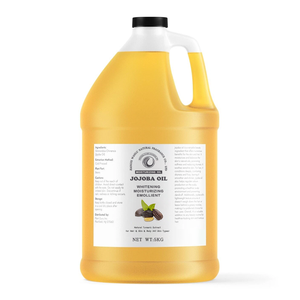
| Cold-Pressed Jojoba Oil | Dilution with low-cost mineral oils or refined soybean/canola seed carriers. | Refractive index and density only | Complete GC-MS Fatty Acid Profile (C20:1 & C22:1 Eicosenoic/Erucic Esters) | Cosmos / USP Compliant |
In the competitive landscape of plant-derived phytochemicals, quotation discrepancies typically trace back to testing protocols. Unregulated suppliers frequently quote high assay numbers (e.g., "Boswellic Acids 65%") derived solely from non-specific titrations. When audited by Western CDMOs using targeted HPLC markers (such as Acetyl-11-Keto-β-Boswellic Acid), actual active yields may drop drastically. Our manufacturing facility benchmarks all product documentation against rigorous compendial protocols (USP-NF, Ph. Eur., and ChP).
Furthermore, our production strictly isolates and monitors trace solvent residues. In compliance with ICH Q3C (R8) guidelines, Class 1 solvents are banned from our manufacturing sites, while Class 2 solvents (such as methanol or acetonitrile) are engineered out in favor of water and eco-friendly food-grade grain ethanol, driving the cleanest impurity profiles in the industry.
Procurement leaders must position their portfolios ahead of legislative transitions, consumer transparency mandates, and advanced delivery system innovations. Here are the macro shifts shaping the global supply chain.
Brands are actively eliminating auxiliary excipients like maltodextrin, silicon dioxide, and magnesium stearate. Demand is expanding rapidly for native extracts, direct-compression granules, and clean acacia-fiber based carrier formulations.
Ecological limitations and wild harvest volatility are fueling the adoption of fungal mycelium fermentation (e.g., Paecilomyces Hepiali CS-4) and precision biosynthesis, offering uniform bioactive concentrations with zero wild-crop pesticide risks.
Functional foods and sports beverages are shifting from intact proteins to low molecular weight oligopeptides (under 1000 Daltons). These micro-peptides bypass conventional gastrointestinal breakdown for immediate cellular absorption.
Global customs authorities and major retail audits require indisputable species authentication. Genomic DNA barcoding coupled with 2D NMR and HPTLC fingerprinting is rapidly becoming mandatory for premium botanical raw materials.
Clear, definitive solutions to the most challenging compliance, analytical, packaging, and logistical questions encountered when sourcing bulk ingredients from China.
We operate fully audited raw herb cultivation contracts and large-scale botanical pooling facilities. Active marker extraction is calibrated through automated PLC-governed counter-current extraction units. Each batch is standardized with verified reference standards under reverse-phase HPLC before release, accompanied by an authentic Certificate of Analysis.
Yes. Our facilities utilize steam sterilization and high-vacuum clean handling systems. We never treat our botanical powders or packaging materials with ethylene oxide. All lots destined for the EU undergo accredited third-party testing (e.g., Eurofins or SGS) for both Ethylene Oxide and 2-Chloroethanol, meeting the strict LOQ limit of <0.05 mg/kg (or <0.01 mg/kg where required).
For standard stocked extracts and oils, our MOQ begins at 25 kg (commercial fiber drum or double PE lined food-grade container). For custom multi-marker standardizations, liquid liposomal dispersions, or specialized mesh specifications, pilot campaigns begin at 100 kg to 500 kg. Standard catalog inventory dispatches within 3 to 7 working days; custom runs require 2 to 3 weeks.
We provide pre-shipment samples (100g - 250g) directly linked to commercial master batch numbers. We support independent blind sampling verified through accredited third-party labs such as Eurofins, SGS, or NSF International before container clearance and balance settlements.
All botanical matrices are scrutinized using Inductively Coupled Plasma Mass Spectrometry (ICP-MS). We routinely engineer proprietary heavy-metal purification steps that depress Lead (Pb) to <0.5 ppm, Cadmium (Cd) to <0.2 ppm, Arsenic (As) to <0.5 ppm, and Mercury (Hg) to <0.1 ppm, fully satisfying Prop 65 safe harbor daily exposure limits.
Every shipment arrives with a complete technical package: Batch CoA, Technical Specification Sheet, Safety Data Sheet (SDS/MSDS according to GHS), Non-Animal Testing Statement, Allergen Declaration, Non-GMO Certificate, Phytosanitary Certificate (from CIQ/Customs), Certificate of Origin, and Packing List/Commercial Invoice.
Accelerate your product development cycle. Connect with our technical formulation team and export specialists to request certified working samples, full technical dossiers, or custom contract manufacturing quotations today.
