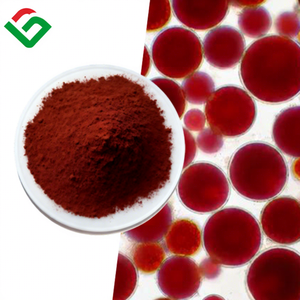
Engineered for instant dissolution, cold-water transparency, and maximum molecular stability across functional beverages, dietary supplements, clean-label foods, and dermaceutical formulations.
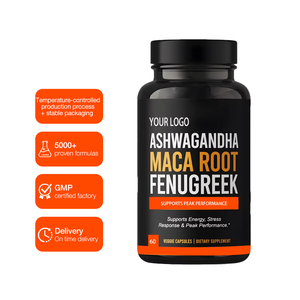
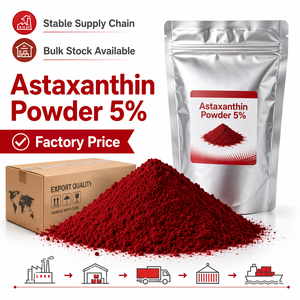
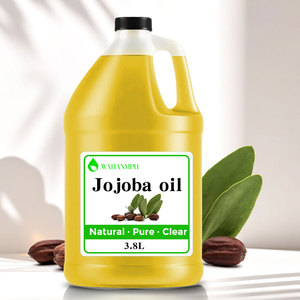
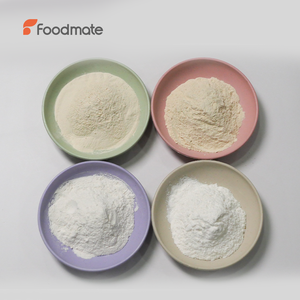
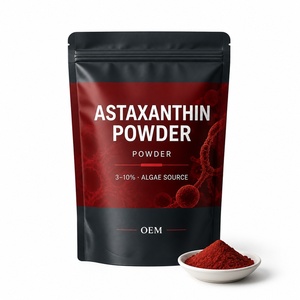
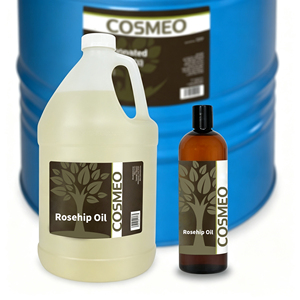
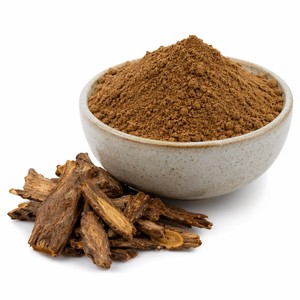
Combining state-of-the-art continuous extraction facilities, cutting-edge microencapsulation technology, and strict adherence to international regulatory frameworks.
Every lot is synthesized in GMP and ISO-certified cleanrooms. We enforce comprehensive control over cross-contamination, ambient humidity during spray drying, and sanitary particle segregation to guarantee microbial purity for international consignments.
Bypass vendor qualification delays. Our dedicated regulatory affairs desk delivers complete technical specification sheets, Safety Data Sheets (SDS), origin declarations, and third-party validation reports within one business day.
We eliminate ambiguous assays. Every shipment carries a verified Certificate of Analysis utilizing HPLC, UV-Vis, or GC-MS. Contaminant screening covers heavy metals (ICP-MS), ethylene oxide (ETO & 2-chloroethanol), and EU pesticide MRL panels.
By cultivating direct contracted agricultural networks across primary geo-climatic belts, we ensure raw biomass authenticity, harvest timing optimization, complete lot traceability, and competitive pricing shielded from speculative market swings.
From custom protective vacuum liners and nitrogen flushing to temperature-controlled ocean freight and DDP air cargo, we manage customs documentation, phytosanitary releases, and US FDA Prior Notices without logistical friction.
Consolidate your botanical supply chain. Procure water-soluble powders, oleoresins, cold-pressed seed oils, clean-label hydrocolloids, and custom private label capsule formulations under a single audited quality management system.
A fundamental dilemma in botanical formulation is that many of nature’s most potent therapeutic actives—such as astaxanthin, curcuminoids, withanolides, and triterpenoid saponins—are lipophilic or hydrophobic crystalline structures. When raw or conventionally extracted plant fractions are introduced into an aqueous medium, they exhibit severe hydrophobicity, clumping, rapid surface floatation, or precipitative sedimentation. For functional beverage brands, ready-to-drink (RTD) formulations, clear liquid cosmetics, and effervescent tablets, turbidity and insoluble rings are catastrophic commercial failure modes.
As an industry-leading manufacturer and supplier in China, our laboratories overcome these physical-chemical boundaries by deploying four advanced processing platforms:
| Technology Platform | Underlying Chemical Mechanism | Key Ingredient Applications | Solubility & Transparency Profile |
|---|---|---|---|
| Hydroxypropyl-β-Cyclodextrin Inclusion (HP-β-CD) | Molecular encapsulation where hydrophobic lipophilic guest molecules fit inside the truncated cone-shaped apolar cavity while outer hydroxyl groups bond with water. | Astaxanthin, Resveratrol, CoQ10, Curcumin 95% | 100% optically clear aqueous solution; prevents UV and thermal oxidation; zero precipitation after 24 hours. |
| Self-Emulsifying Nano-Dispersion (SEDDS) | Thermodynamically stable isotropic mixtures of oils, surfactants, and co-surfactants that spontaneously form fine oil-in-water nano-emulsions (particle size < 50 nm) upon gentle hydration. | Astaxanthin Oleoresin, Jojoba Emulsions, Rosehip Actives | Near-transparent opalescent dispersion; instantaneous dissolution in cold water (4°C - 20°C); dramatically enhanced cellular permeability. |
| Fluidized Spray Agglomeration & Carrier Matching | Spray-drying with pharmaceutical-grade hydrophilic polymer carriers (such as low-DE maltodextrin, gum acacia, or soluble tapioca fiber) into uniform, highly porous micro-beadlets. | Rhodiola Rosea Extract, Ashwagandha 5%, Shatavari Saponins | Instant wettability, zero surface floating, non-caking powder characteristics; highly resistant to moisture during storage. |
| Enzymatic De-Polymerization & Membrane Fractionation | Targeted biocatalytic cleavage of insoluble fibrous complexes followed by ultrafiltration cutoffs (3 kDa - 10 kDa) to isolate pure polar active glycosides. | Plant Hydrocolloids, Carrageenan, Mushroom Polysaccharides | High water-holding capacity, smooth rheological mouthfeel, clear viscosity without gelation shock or cloudy colloids. |
By standardizing both the particle diameter distribution ($D_{50} < 75\,\mu\text{m}$) and the hydrophilic-lipophilic balance (HLB value), our custom-engineered water-soluble ingredients allow global formulators to develop shelf-stable functional waters, sparkling adaptogen drinks, and translucent nutricosmetic elixirs that preserve visual elegance, sensory neutrality, and biological bioavailability.
Strategic analysis for enterprise procurement teams navigating the 2026–2030 botanical supply landscape across North America, Europe, and Asia-Pacific.
Global consumer watchdogs and regulatory bodies are intensifying scrutiny over traditional carriers such as synthetic silicon dioxide (anti-caking) and high-glycemic corn maltodextrin. Procurement directors are actively transitioning purchasing specifications toward certified organic soluble tapioca fibers, acacia gum, and native rice hulls that serve dual functions: microencapsulation matrix and prebiotic clean-label claim.
Modern consumers demand on-the-go stick packs, liquid drink enhancers, and effervescent tablets that reconstitute in iced water within seconds without stirring equipment. Future sourcing protocols prioritize instant wettability parameters, sinking velocity metrics, and sedimentation indexes at refrigerator temperatures (4°C), making traditional high-heat extraction powders commercially obsolete.
The regulatory barrier for botanical ingredients entering the European Union and the United States has reached an all-time peak. Routine procurement now demands preemptive screening for hundreds of pesticide residues under Regulation (EC) No 396/2005, sub-ppb quantification of heavy metals via ICP-MS, and strict verification of zero ethylene oxide (ETO) and 2-chloroethanol traces.
How cutting-edge industrial technology is eliminating toxic petroleum solvents and maximizing phytochemical integrity.
Moving decisively away from hexane, ethyl acetate, and halogenated solvents, premier Chinese manufacturers are investing heavily in supercritical carbon dioxide and subcritical water extraction platforms. By controlling water temperature and pressure above boiling point but below critical point, the dielectric constant of water can be tuned to mimic organic solvents, selectively extracting lipophilic actives without residual solvent hazards.
Traditional batch column purification is being superseded by continuous SMB chromatography. This engineering shift enables the continuous isolation of ultra-pure target markers—such as 98% pure salidrosides or single-isomer astaxanthin—while recycling 90%+ of mobile phases. The result is superior lot-to-lot homogeneity, virtually eliminating batch variance in sensory color and assay yield.
Integrating targeted fungal and bacterial fermentation directly with raw botanical slurries removes fibrous anti-nutrients and transforms native glycosides into smaller, significantly more absorbable aglycones. This green biotechnological synthesis not only improves inherent water solubility but elevates target bioavailability inside the human metabolic pathway.
To avoid supply chain rejections, incoming quarantine holds, and reformulations, enterprise sourcing teams must demand unambiguous specifications across six critical analytical parameters before issuing commercial Purchase Orders:
| Verification Checkpoint | Underlying Risk Factor | Mandatory Supplier Documentation Required |
|---|---|---|
| Assay Methodology Specification | Spectrophotometric UV-Vis readings notoriously overestimate active content (e.g. polyphenols or curcuminoids) by reading background degradation products, whereas HPLC provides absolute chromatographic separation and specificity. | Certificate of Analysis stating exact validated HPLC column parameters, retention time chromatograms, and external reference standards. |
| Cold-Water Dispersion (CWD) Index | An ingredient may dissolve under heated benchtop conditions (80°C) but aggregate and form an unsightly surface meniscus or ring when bottled in chilled beverages (4°C). | Standard operating procedure (SOP) turbidity assay (NTU rating) and 24-hour visual sedimentation documentation in 5% aqueous solution. |
| Sterilization Method Verification | Ethylene oxide (ETO) gas sterilization is legally prohibited in Europe and severely restricted across global nutraceutical markets due to mutagenic residues. | Declaration of non-ETO treatment, alongside certified steam sterilization or validated irradiation protocols accompanied by LC-MS/MS ETO testing. |
| Heavy Metal Limits by ICP-MS | Botanicals cultivated in non-monitored soils accumulate lead, arsenic, cadmium, and mercury, exceeding Regulation (EU) 2023/915 and USP monographs. | Batch-specific ICP-MS reports confirming: Pb < 0.5 ppm, As < 0.5 ppm, Cd < 0.2 ppm, Hg < 0.1 ppm. |
| Carrier Identification & Ratio | Unscrupulous brokers conceal high percentages of cheap maltodextrin (up to 40%) without transparent disclosure on technical data sheets. | Quantitative carrier statement specifying exact excipient botanical origin, percentage by dry weight, and verification of non-GMO status. |
| Residual Solvents (USP <467>) | Industrial extraction utilizing Class 1 or Class 2 solvents risks chemical bioaccumulation in human tissues if stripping protocols are incomplete. | Headspace Gas Chromatography (GC-HS) reporting non-detectable or sub-threshold limits for ethanol, methanol, hexane, and acetone. |
Clear, unhedged answers to the technical, legal, and operational questions global QA and sourcing teams ask during vendor qualification.
Water-soluble powders dissolve completely at a molecular level, producing an optically transparent solution with negligible light scattering (low NTU turbidity). Water-dispersible powders (such as microencapsulated carotenoids or beadlets) form stable, microscopic colloidal suspensions without dissolving into individual ions or molecules. While dispersible solutions may appear slightly translucent or opalescent, neither will precipitate or form a meniscus when engineered properly.
Yes. We regularly tailor active compound potencies (e.g., custom Withanolides from 2.5% to 10% HPLC, or Astaxanthin CWS from 1% to 5%) to match your target formulation dosages, organoleptic boundaries, and capsule volume limitations. All customized runs undergo pilot feasibility testing before scaling.
Our standard formulations utilize USP-grade low-DE maltodextrin or gum arabic to optimize particle stability. For strict clean-label, organic, or ketogenic brands, we supply carrier-free extracts or utilize organic soluble tapioca fiber, organic agave inulin, or microcrystalline cellulose upon request.
We operate dedicated raw biomass screening programs across our farming belts. Every finished batch destined for EU borders is verified via accredited, independent third-party laboratories (Eurofins/SGS) utilizing GC-MS/MS and LC-MS/MS against the complete 500+ multi-residue list mandated by Regulation (EC) No 396/2005.
Our standard MOQ for stocked catalog ingredients starts at 25 kg (packaged in cleanroom-sealed aluminum foil bags within standard fibre drums). For custom-engineered standardizations or bespoke solvent runs, commercial MOQs typically commence at 100 kg to 500 kg depending on target potency.
Yes. We provide 50 g to 200 g pilot samples accompanied by our comprehensive, lot-specific Certificate of Analysis so that internal R&D, sensory panels, and third-party QC laboratories can validate dissolution kinetics, flavor neutrality, and HPLC potency prior to placing commercial orders.
Every consignee receives a complete export package: Commercial Invoice, Packing List, Certificate of Origin (COO), Batch Certificate of Analysis (CoA), Safety Data Sheet (SDS / MSDS compliant with GHS), Technical Specification Sheet, Non-GMO Statement, Allergen Declaration, and Official Phytosanitary Certificate.
Stocked catalog items are cleared for dispatch within 5 to 7 business days following QA release. Air shipments to North America and Europe typically land within 5 to 8 transit days. Ocean freight shipments (FCL / LCL) require 20 to 35 days depending on port of entry and customs clearance velocity.
Connect directly with our phytochemistry engineering desk. Request lot-specific Certificates of Analysis, technical specification dossiers, and pre-shipment trial samples for your next functional formulation.
Get a Quote