High-titer, batch-certified raw materials verified by HPLC, LC-MS/MS, and ICP-MS. Formulated to comply with EU MRL, US FDA FSVP, and global food safety mandates.
Operating under stringent GMP and ISO-certified infrastructure, we bridge agricultural supply chains with advanced pharmaceutical-grade extraction to support enterprise brand integrity.
The contemporary landscape for custom OEM functional food ingredients demands more than bulk commodities; it requires uncompromising analytical validation, complete supply-chain transparency, and regulatory precision. Sourcing from certified Indian cultivation zones and specialized bio-refining plants, our manufacturing operations fulfill the rigorous technical criteria stipulated by United States FSMA (21 CFR Part 117), European Union Regulation (EC) No 178/2002, and destination-specific pharmacopoeial monographs (USP, Ph. Eur., FCC).
Through dedicated supercritical CO2 extraction lines, membrane concentration, multi-stage enzymatic cleavage, and cryogenic pulverization, we stabilize thermal-labile botanical polyphenols and optimize the functional rheology of texturizers. Our analytical laboratory operates validated High-Performance Liquid Chromatography (HPLC-DAD), Gas Chromatography-Mass Spectrometry (GC-MS), and Inductively Coupled Plasma Mass Spectrometry (ICP-MS) protocols, ensuring that active constituent claims correlate strictly with published pharmacopoeial monographs rather than unspecific non-discriminatory methods.
Backed by an audited FSSAI Central Licence (11526999001161), APEDA registration, and cGMP-compliant production lines. USDA Organic, Halal, and Kosher certifications are provided per commercial lot.
Conforming to EU Regulation (EC) No 396/2005. Every lot undergoes strict third-party multi-residue LC-MS/MS panels, verifying Ethylene Oxide (ETO) and 2-chloroethanol levels below the 0.02–0.05 mg/kg limit of quantification.
Rapid QA onboarding. Detailed Technical Data Sheets (TDS), Safety Data Sheets (SDS), allergen profiles, flow charts, and pilot-scale representative samples dispatched globally within 24 to 48 business hours.
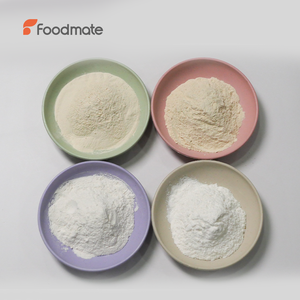
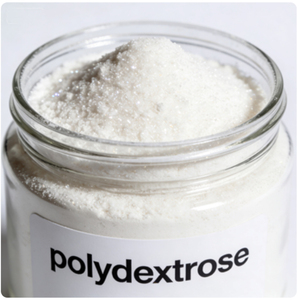
Proprietary tailoring of carrageenan, polydextrose, and plant polysaccharides. We adjust gel strength (Bloom), viscosity curves, and hydration temperatures to match cold-mix beverages, dairy, and confectionery matrixes.
Direct farm-gate supply agreements across India's premier bio-zones ensure botanical identity, seed-to-extract traceability, reduced intermediary variance, and guaranteed pricing stability for annual procurement contracts.
Turnkey processing including agglomeration, microencapsulation, spray-drying, and custom micronization (40 to 200 mesh). We optimize bulk density and compressibility for direct compression (DC) tableting and instant sachet packaging.
An authoritative analysis of technical, regulatory, and formulation shifts steering formulation directors toward next-generation active ingredients.
The global functional food and beverage market is shifting from generic health marketing to verified, mechanism-driven bioactivity. Major institutional buyers and contract manufacturers face shifting consumer demands for simplified clean-label declarations, sugar reduction without mouthfeel degradation, and non-allergenic plant protein fortification. As a specialized OEM exporter, our R&D team tracks three pivotal shifts defining modern specifications:
Regulatory scrutiny over synthetic stabilizers (e.g., CMC, polysorbate) is accelerating adoption of semi-refined carrageenan (E407a) and natural fibers. Buyers require cold-soluble, non-GMO hydrocolloids that maintain water retention and emulsion stability across extreme freeze-thaw cycles without off-flavors.
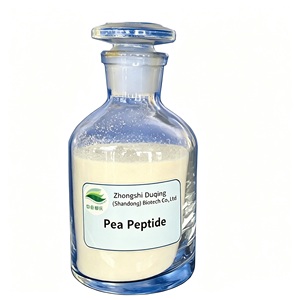
Traditional plant proteins struggle with low water solubility and bitter organoleptic notes. Procurement is pivoting toward enzymatic oligopeptides (<1000 Da) derived from pea and non-GMO soy, facilitating 100% instant hydration, reduced osmolality, and superior peptide transporter (PEPT1) cellular absorption.
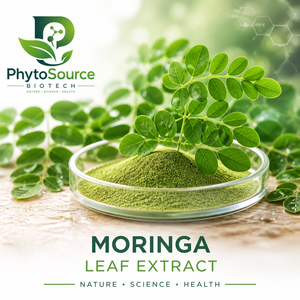
Sugar replacement initiatives require high-tolerance bulking agents. Low-viscosity polydextrose (DP 12) combined with functional adaptogenic extracts (Moringa, Elderberry) allows formulators to achieve 0g sugar and high dietary fiber claims while protecting gut microbiome fermentative equilibrium.
In addition to performance criteria, global food manufacturers are redesigning their approved vendor lists (AVL) to eliminate single-origin dependency. As supply chains navigate geographical risks, Indian manufacturing nodes like our Nashik production hub have emerged as preferred epicenters for standardized botanicals and bio-fermented ingredients. Advanced backward integration—from indigenous herbal farming belts to computerized fluid-bed drying and solvent-recovery processors—guarantees uninterrupted container-load availability backed by rigorous traceability records.
| Functional Category | Representative Benchmark | Analytical Assay Method | Key Regulatory Challenge Solved | Recommended Food Matrix |
|---|---|---|---|---|
| Enzymatic Plant Peptides | Pea / Soy Oligopeptides (>80% Protein) | Kjeldahl & Size-Exclusion HPLC | Zero chalkiness; eliminates allergen labelling | RTD sports drinks, meal replacements, infant nutrition |
| Prebiotic Texturizers | Polydextrose Grade II/III (≥90% Fiber) | AOAC 2000.11 Ion Chromatography | High laxation threshold (>90g/day); 1 kcal/g bulk | Low-calorie bakery, sugar-free confectionery, functional dairy |
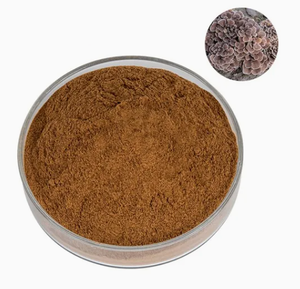
| Immunomodulatory Actives | Elderberry & Mushroom Extracts | UV-Vis / HPLC / Enzymatic Assay | Solvent residual < 50 ppm; zero irradiation artifacts | Effervescent tablets, functional gummies, vitamin seltzers |
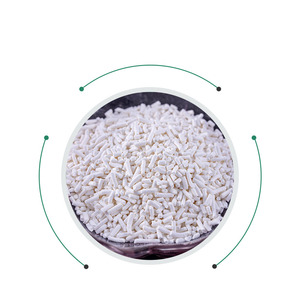
| Natural Antimicrobials | Potassium Sorbate Granular E202 | FCC / USP Non-Aqueous Titration | Low dusting reduces plant particulate hazard | Beverage syrups, bakery toppings, plant-based dressings |
| Clean Plant Hydrocolloids | Semi-Refined Carrageenan (E407a) | Gel Strength / Viscometry | Clean-label replacement for synthetic gums | Alternative milks, processed meat binder, vegan desserts |
Technical guidance addressing analytical assay calibration, customs validation, documentation packages, and OEM contract specifications.
Different analytical techniques yield drastically divergent quantification for identical actives. For instance, UV-Vis spectrophotometry indiscriminately absorbs all conjugated polyphenol bonds, commonly reading 15–30% higher than reverse-phase High-Performance Liquid Chromatography (HPLC). We calibrate every CoA against distinct, internationally recognized USP/Ph. Eur. HPLC reference standards to prevent import discrepancies.
Under Commission Implementing Regulation (EU) 2019/1793, Indian botanical consignments face stringent controls. We enforce steam sterilization and zero-ETO handling protocols across our lines. Every EU-destined production lot is analyzed by accredited independent European-certified laboratories (GC-MS/MS) to confirm the sum of ETO and 2-chloroethanol is below the strict Limit of Quantification (<0.02 mg/kg).
For inventory-stocked functional additives, hydrocolloids, and catalog botanical extracts, our standard commercial starting MOQ is 25 kg in poly-lined fiber drums. Custom synthesis, specialized enzymatic processing, or bespoke granulation mesh sizes typically start at 100 kg to 500 kg. Standard transit dispatch occurs within 2 to 3 weeks following QA lot sign-off.
Every commercial container or pallet export is supplied with a complete destination dossier: Batch-Specific Certificate of Analysis (CoA), Technical Data Sheet (TDS), GHS Safety Data Sheet (SDS), Phytosanitary Certificate issued by National Plant Protection Organizations, Certificate of Origin (COO), Non-GMO & Allergen Declarations, and Third-Party Heavy Metal (ICP-MS) & Pesticide MRL screens.
Yes. While standard spray-dried hygroscopic extracts often utilize non-GMO maltodextrin as a functional drying matrix, our flexible manufacturing process allows OEM formulation with alternative functional carriers (such as organic acacia fiber, pea fiber, or rice flour) or entirely pure 100% carrier-free concentrates suited for high-density capsule filling.
We apply closed-loop filtration, ion-exchange resin scrubbing, and botanical cultivation soil testing to maintain heavy metal contamination well below standard USP limits. Routine ICP-MS release criteria ensure Lead (Pb) < 0.5 ppm, Arsenic (As) < 1.0 ppm, Cadmium (Cd) < 0.2 ppm, and Mercury (Hg) < 0.1 ppm, safeguarding compliance for low-dose daily finished formulations.
Consult with our food technologists and export quality managers to calibrate marker assay methodologies, review batch documentation, or request accredited commercial pre-shipment samples.