
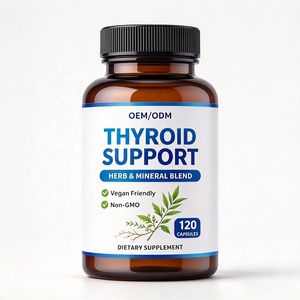
OEM Thyroid Support Capsules With Iodine Ashwagandha Root, Zinc, Selenium, Vitamin B12 Complex
Active Core:Withanolides + Kelp Iodine
Format:Finished Hardgel Capsules
Compliance:Halal, Non-GMO, GSO Tested
Engineered via supercritical fluid separation, vacuum distillation, and low-temperature crystallization to satisfy rigorous GSO, Omani MoH, and international USP standards.
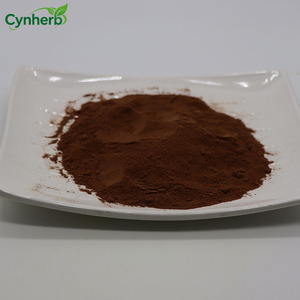
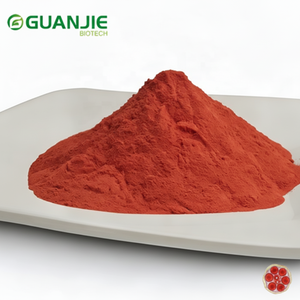
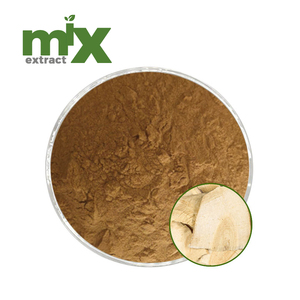
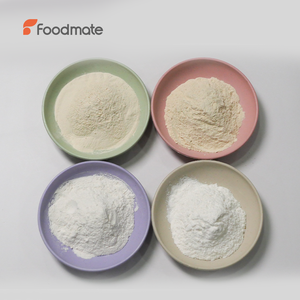
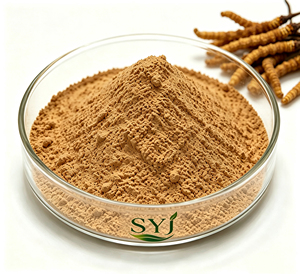
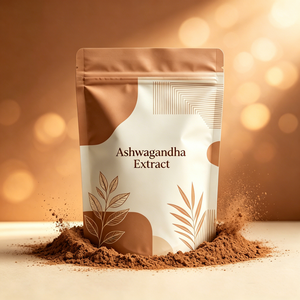
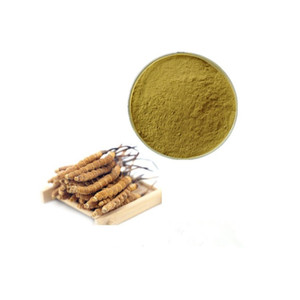
An authoritative exploration of phase-equilibrium technology engineered to isolate delicate secondary metabolites, eliminate petrochemical toxins, and support the Sultanate of Oman's next-generation pharmaceutical vision.
Supercritical fluid extraction utilizes carbon dioxide operated above its thermodynamic critical point (Critical Temperature $T_c = 31.1^\circ\text{C}$, Critical Pressure $P_c = 7.38\,\text{MPa}$ or 73.8 bar). In this supercritical state, CO2 behaves as a hybrid solvent displaying gas-like diffusivities, low surface tension, and liquid-like solvating densities ranging from 0.2 to 0.95 g/cm³.
By precisely manipulating isobaric temperature and isothermal pressure parameters across multi-stage cascading separation vessels, our processing suites selectively dissolve and precipitate lipophilic, semi-polar, and volatile phytomolecules without thermal degradation. In contrast to conventional hydro-distillation or atmospheric refluxing that hydrolyze thermolabile withanolides, rosavins, and carotenoids, scCO2 operates under mild, ambient-adjacent thermal conditions (typically 35°C to 45°C), maintaining complete biological stereospecificity.
Traditional industrial extraction continues to depend heavily on neurotoxic hydrocarbons such as n-hexane, petroleum ether, acetone, and dichloromethane. Under rigorous Gulf Standardization Organization (GSO) rules and Oman Ministry of Health (MoH) Directorate General of Pharmaceutical Affairs and Drug Control directives, solvent residue limits are increasingly stringent.
Supercritical CO2 eliminates this liability completely. Once the dense CO2 carrying the target botanical solutes enters the separation vessel, the pressure is decreased below the critical point. The CO2 spontaneously reverts to a gaseous phase and volatilizes cleanly, leaving behind a 100% solvent-free botanical matrix with zero chemical residues (0.0 ppm). The CO2 gas is filtered, compressed, liquefied, and continuously recycled within a closed-loop system boasting >95% carbon efficiency.
| Extraction Matrix Parameter | Supercritical CO2 (SFE) | Industrial Hexane Extraction | Hydro-Ethanolic Reflux | Steam / Hydro-Distillation |
|---|---|---|---|---|
| Operating Temperature | 32°C – 45°C (Preserves Actives) | 65°C – 70°C | 78°C – 85°C | 100°C+ (Thermal Shock Risk) |
| Residual Solvent Level | 0.0 ppm (Non-Toxic) | 10 – 50 ppm (Trace Carcinogens) | 500 – 5,000 ppm | 0.0 ppm (Water Only) |
| Bioactive Isomer Stability | Near 100% Native Stereochemistry | High Risk of Solvolysis | Partial Ester Hydrolysis | Severe Terpene Thermal Rearrangement |
| Oxidation Index (Peroxide Value) | < 2.0 meq O2/kg (Inert CO2 Gas) | > 8.0 meq O2/kg | > 5.0 meq O2/kg | Elevated Hydroperoxides |
| Oman MoH & GSO Import Friction | Zero Clearance Delay | Mandatory Lab Re-Testing | Declaration of Residual Ethanol | Low Friction (Volatiles Only) |
From the industrial hubs of Rusayl, Sohar, and Salalah to boutique cosmeceutical developers in Muscat, discover how high-purity supercritical extracts drive high-margin manufacturing across the Sultanate.
Oman holds a revered worldwide reputation for luxury perfumery, frankincense (Boswellia sacra from the Dhofar Governorate), and myrrh. Supercritical CO2 extraction provides domestic formulators in Muscat and Salalah with the clean technology needed to extract pure resin acids, diterpenes, and incensole acetate without scorching fragrant volatiles.
In accordance with the Sultanate's National Health Strategy, managing lifestyle-related conditions—specifically Type-2 diabetes, cardiovascular stress, and thyroid endocrine disruption—is a major focus for local pharmaceutical compounding firms and health-brand developers.
Omani food and beverage processors operating in the Rusayl Industrial Estate and Sohar Industrial City increasingly require natural hydrocolloids and botanical antioxidants to replace synthetic stabilizers and artificial food colorants.
Every commercial batch delivered to the Sultanate of Oman is backed by dual-validation Certificate of Analysis (CoA) documentation verified by ISO/IEC 17025 accredited analytical laboratories.
| Botanical / Product | Active Marker Specification | Validated Testing Methodology | Physical Form & Mesh Size | Heavy Metals (ICP-MS Limits) | Microbiological Control |
|---|---|---|---|---|---|
| Ashwagandha Root Extract | 2.5% to 5.0% Total Withanolides | USP / Reverse-Phase HPLC | Fine Tan Powder (80–100 Mesh) | Pb < 0.5 ppm, As < 0.5 ppm, Cd < 0.2 ppm | TPC < 1,000 CFU/g, Yeast/Mold < 100 CFU/g |
| Rhodiola Rosea Extract | 3.0% Rosavins, 1.0% Salidroside | Ph. Eur. Gradient HPLC-DAD | Red-Brown Powder (80 Mesh) | Pb < 0.5 ppm, Hg < 0.1 ppm, As < 0.2 ppm | Pathogen Free: Salmonella, E. Coli Negative |
| Astaxanthin Oleoresin / Pwd | 5.0% Pure Astaxanthin | Spectrophotometric / HPLC | Free-Flowing Microencapsulated Powder | Total Heavy Metals < 2.0 ppm combined | Negative in 25g (Aflatoxins B1, B2, G1, G2 < 2 ppb) |
| Elderberry Extract | 10:1 – 50:1 (Anthocyanin 15%) | UV-Vis Differential / HPLC | Deep Violet Powder (100% Soluble) | Pb < 0.2 ppm, Cd < 0.1 ppm | Sterile Sealed Under Pharmaceutical cGMP |
| Cordyceps Mushroom Extract | 30% – 50% Polysaccharides | Enzymatic / Phenol-Sulfuric UV | Fine Brown Powder (80 Mesh) | Pb < 0.5 ppm, As < 0.3 ppm | Total Plate Count < 3,000 CFU/g Max |
A strategic white-paper walkthrough designed for Omani procurement heads, compliance officers, and regulatory pharmacists managing bulk importation into Muscat, Salalah, and Sohar.
Importing botanical extracts intended for human nutraceutical or pharmaceutical manufacturing into Oman requires registration or clearance through the Ministry of Health's DGPA&DC. Our compliance engineering eliminates common regulatory rejections:
Shipments landing at Port Sultan Qaboos (Muscat), Salalah Port, or Muscat International Airport (MCT) undergo clearance through the Royal Oman Police Directorate General of Customs via the Bayan electronic window:
Combining sustainable agricultural networks, high-pressure extraction facilities, and full export compliance to deliver seamless raw material integration.
Our extraction suites operate in cleanroom conditions equipped with industrial-scale, multi-vessel supercritical CO2 extractors, closed-loop ethanol recovery evaporators, and spray drying towers, adhering strictly to global current Good Manufacturing Practices (cGMP).
We source raw plant matrices directly through contract farming networks spanning certified organic cultivation belts. This ensures sustainable agronomic practices, consistent seasonal harvest quality, zero adulteration, and complete batch tracing right back to the original field lot.
Our experienced regulatory affairs department and phytochemists provide complete specification sheets, technical methods, representative samples, and safety data sheets (SDS) within 24 business hours to accelerate your R&D and registration processes.
Direct, technically rigorous answers regarding testing protocols, logistical timelines, and custom formulation options for the Omani marketplace.
Every commercial consignment dispatched to the Sultanate of Oman is accompanied by a destination-tailored documentation dossier. This includes a batch-specific Certificate of Analysis (CoA) with clearly stated test methods (HPLC, GC-MS, ICP-MS), a 16-section Safety Data Sheet (SDS) compliant with GHS standards, a Certificate of Origin certified by the Chamber of Commerce, an official Phytosanitary Certificate issued by government quarantine authorities, and statements confirming non-GMO status, BSE/TSE freedom, absence of ethylene oxide (ETO), non-irradiation, and 100% GSO-compliant Halal status.
Conventional solvent extraction leaves residual petrochemical traces (hexane, petroleum ether) that frequently cause dermatological sensitization or violate clean-label claims. Supercritical CO2 uses natural carbon dioxide as an inert solvent, leaving zero chemical residue (0.0 ppm). Furthermore, traditional steam distillation subjects delicate fragrant terpenes to high temperatures (100°C+), creating scorched off-notes. In contrast, scCO2 operates at mild ambient-adjacent temperatures (35°C–40°C), preserving natural top notes, sesquiterpenes, and therapeutic resin acids essential for fine Omani perfumery and high-performance skincare serums.
Our export packaging for the Arabian Peninsula is engineered specifically to withstand Climatic Zone IVb conditions. Dry botanical powders and oleoresins are hermetically sealed inside multi-layer, heat-sealed foil laminate barrier liners under food-grade inert nitrogen flush, which expels atmospheric oxygen and moisture. These liners are housed inside high-density pharmaceutical fiber drums. For high-potency thermolabile compounds (such as natural Astaxanthin or fresh Cordyceps extracts), we arrange reefer container shipments through Salalah or Sohar Port, maintaining continuous temperature monitoring (15°C–20°C) throughout ocean transit.
We maintain an accessible commercial framework to support both established industrial facilities in Rusayl and agile pharmaceutical innovators across Oman. For standardized stock extracts (such as Ashwagandha 5% Withanolides, Rhodiola 3% Rosavins, and Cordyceps 10:1), our starting minimum order quantity is typically 25 kg (one standard export drum). For high-potency concentrated carotenoids like 5% Astaxanthin or specialized custom supercritical CO2 contract fractions, pilot batches can be arranged starting at 5 kg or 10 kg upon commercial agreement.
Yes. In addition to supplying bulk standardized raw materials, we operate fully equipped cleanroom formulation and contract encapsulation lines. We provide OEM/ODM finished product services—including precision hard-shell encapsulation (such as our Thyroid Support formulation with Ashwagandha and Iodine), dry granulation, tablet compression, and custom botanical blending. We can adjust particle mesh sizes (from 60 to 120 mesh for rapid flowability) and custom-blend clean-label excipients (such as acacia fiber or organic rice hulls) to your exact product specifications.
Standardized catalog ingredients in stock are prepared, tested, packaged, and cleared for dispatch within 5 to 7 business days from order confirmation. Air freight delivery via Muscat International Airport (MCT) generally requires 3 to 5 business days for express transit. Ocean freight containers routed to Port Sultan Qaboos, Sohar Port, or Salalah Port typically take between 12 and 18 days transit time, depending on shipping schedules and port customs handling.
Initiate direct communication with our botanical processing engineers and GCC export compliance desk. We provide comprehensive analytical documentation, pre-shipment validation samples, and competitive B2B volume pricing tailored to your application.
Send an Inquiry